
Notes from the Aventine | April-May 2026
Abbot Primate Jeremias reflects on Pentecost and Roman traffic. He shares his delight regarding the Venice Biennale and reveals his summer itineraries.
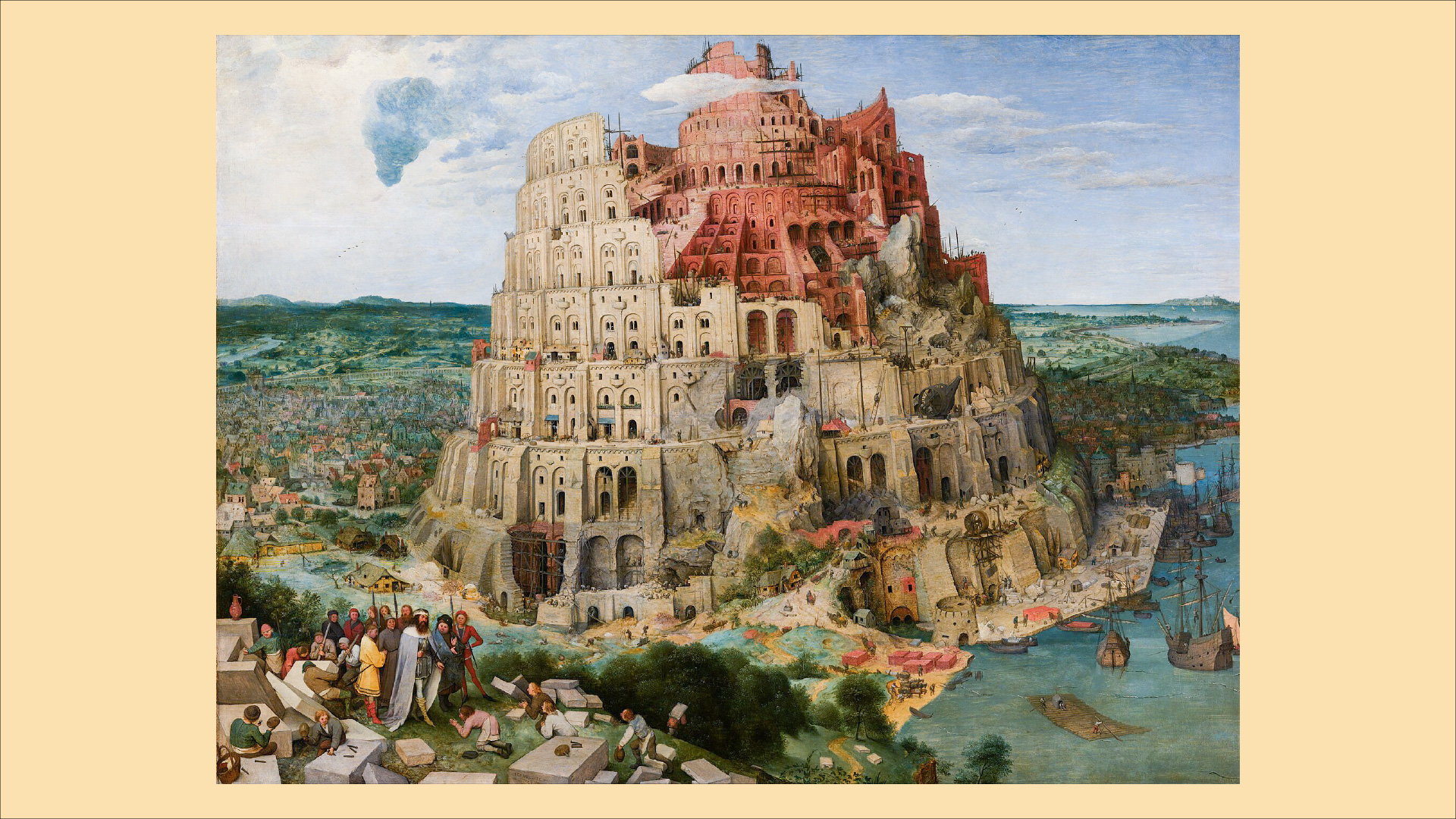
Image : Pieter Bruegel the Elder - The Tower of Babel (Vienna) - Google Art Project Public Domain
17 May 2026
Babel and its Aftermath
Pentecost is the anti-Babel. Out of many nations, once divided by the confusion of tongues, one people is formed anew: the People of God. A modest reflection of this can be seen in the streams of pilgrims and tourists returning to Rome this spring. At Sant’Anselmo, we measure the ebb and flow of visitor numbers by the length of the queue waiting on the piazza outside, all hoping to catch a glimpse through the famous Maltese keyhole—complete with the inevitable photograph for Instagram.
According to the brand-new Catalogus, our Confederation is currently present in 66 countries. Within our own house, no fewer than 38 nations are represented. This, too, is a Pentecostal reality. Admittedly, a little bit of Babel remains: cultural differences do not simply vanish. Yet this living together widens the heart and smooths away a few sharp edges.
I became particularly aware of this recently while reflecting on my mobility within the city of Rome. In the winter of 2024, the Monastery of St Georgenberg generously gifted me a motor scooter, which I use diligently, as it is by far the quickest way to navigate this congested city. Eighteen months ago, I still found myself regularly exasperated because the typical Roman driver hardly ever uses an indicator, whereas I, as a proper German, meticulously signal every change of direction. Whenever I did travel by car, I would lecture my local drivers—mostly young Americans engaged in voluntary service—on the proper use of indicators.
A year and a half later, I no longer get agitated. I have learned to recognise the subtle signs that a car ahead intends to veer left or right, or pull up in double-parking. Even more disquieting, I occasionally catch myself turning without indicating at all. It even seems to me that Roman drivers pay a little more attention to one another than German ones do. (In detail, it becomes more complicated: statistically, traffic in Rome is more dangerous than in Munich. Then again, Italians live, on average, three years longer than Germans.)
I describe this at such length because I see it as a parable. Often, it is not a question of right or wrong, but simply that the culture is different.
This insight is perhaps also important for our ecclesial circumstances. Eleven years ago, at the conclusion of the second Synod on the Family, Pope Francis warned against always looking at what others are doing with a critical eye. He suggested that the task for each of us, and for all our local churches, must always be to anchor the Gospel more deeply within our own specific culture and way of life. This will look quite different in Germany compared to Rome, or indeed in the USA with its 1,040 monks compared to Slovenia with its two—respectively the largest and smallest Benedictine countries. Thanks to our tradition of reconciled diversity, however, we Benedictines handle this well. And Sant’Anselmo is an ideal school for it—indeed, a house of higher learning.
A secular attempt to bring together different voices from around the world is the Venice Art Biennale. For years, the Vatican has participated with its own pavilion. This year, our own Professor, Sister Maura Zátonyi, a nun from Eibingen, contributed to the design of the pavilion, which focuses on the great Benedictine and Doctor of the Church, Hildegard of Bingen. We are rather proud of this here at Sant’Anselmo.
A few weeks ago, we inaugurated the spiritual pilgrimage path toward the Jubilee with an opening event in Norcia—the "Norcia Year" under the theme of "Awakening." The Jubilee website, jubilee.osb.org, is now live. Over the coming months, it will increasingly be filled with content, initially by us, and then, hopefully, by the monasteries themselves.
The new global monastery overview is also in its final testing stage at jubilee.osb.org/monasteries. It will replace the now completely outdated OSB Atlas, which we will decommission in a few months. For a brief transitional period, the new overview will display only the male communities. As soon as the CIB has the data ready, the female communities will be integrated. These digital maps exist to help us better get to know our own monastic family. They are also intended to guide seekers to our houses under the banner of "Places of Hope."
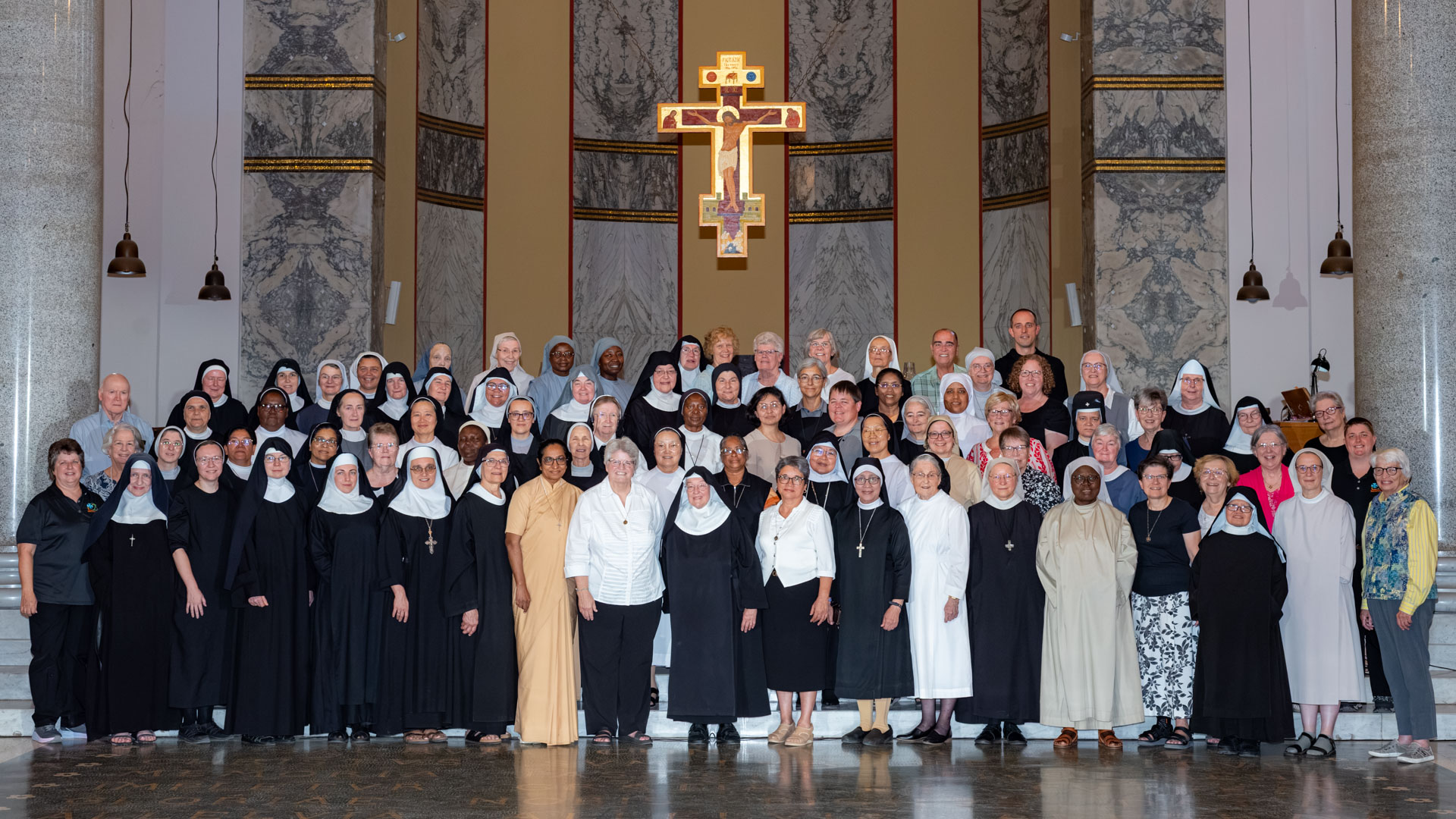
After Pentecost, the final sprint of the Anselmian academic year begins, completely shaped by the rhythm of the University. After that, the house becomes very quiet. For the summer, I have planned a journey to the USA and Canada for the General Chapter of the Swiss-American Congregation, a visit to England, and then the Synod of Presidents, which will be held this year at the Monastery of Gihindamuyaga in Rwanda. Before that, we will host the CIB Symposium in Rome, a large international gathering of Benedictine women. And then, the new academic year begins.
One further word regarding the Catalogus: immediately after publication, we noticed that the monastery index was incomplete. A full index is available here to print out and insert.
With warm Pentecost blessings from the Aventine,
Yours,
Jeremias Schröder OSB
Abbot Primate
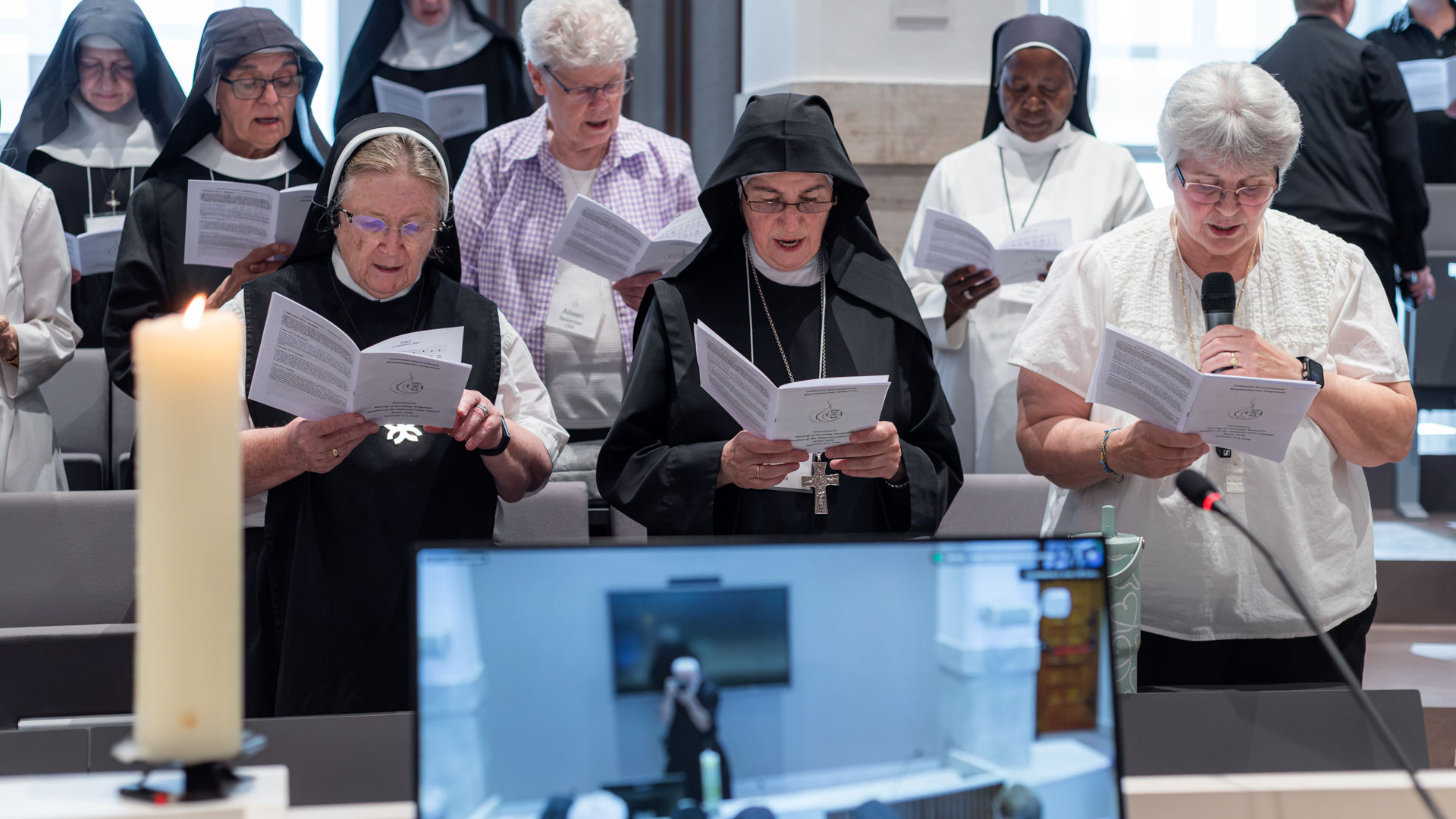
Elections, Appointments and Events | October-November 2026
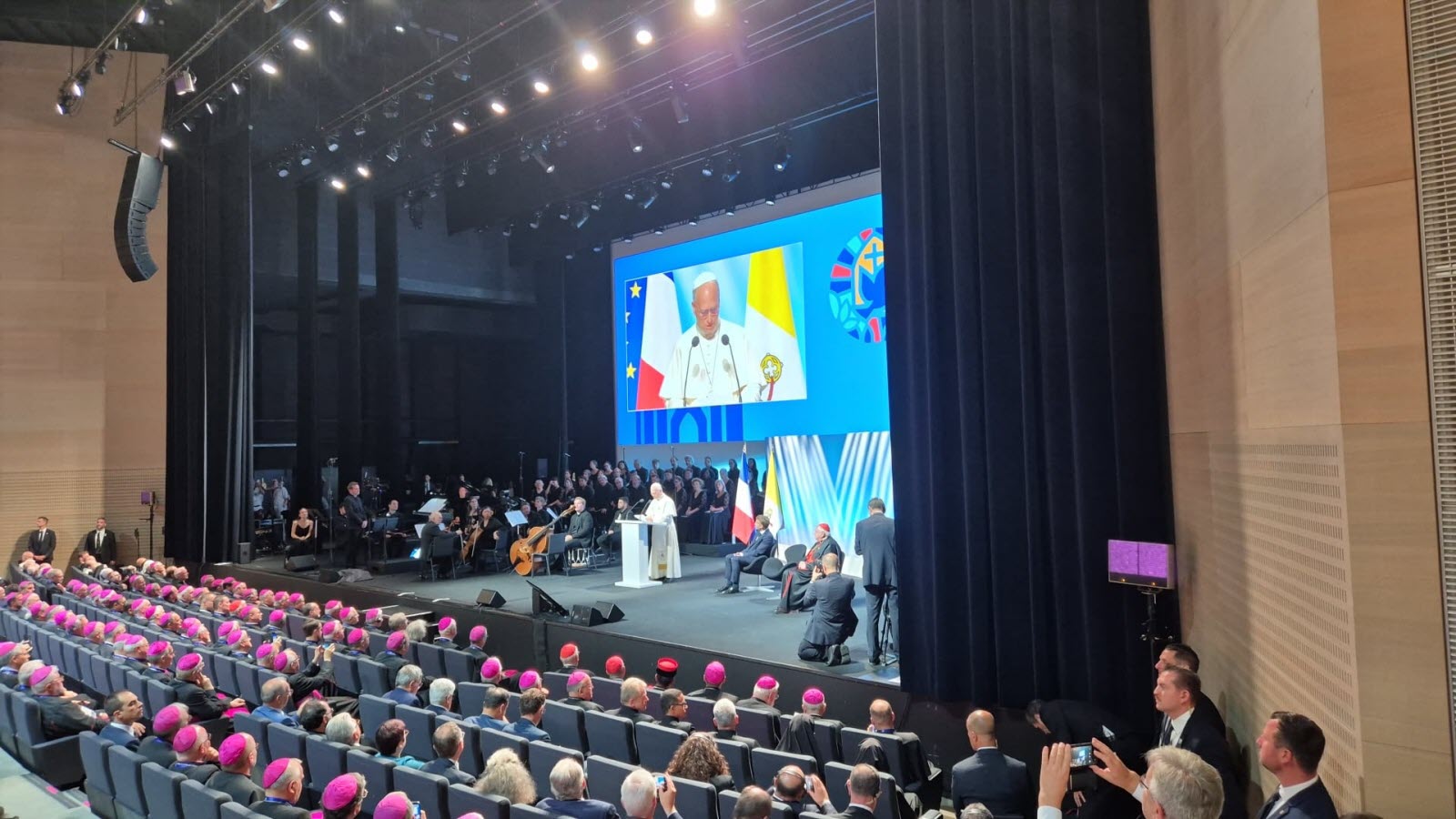
Notes from the Aventine | August-October 2026
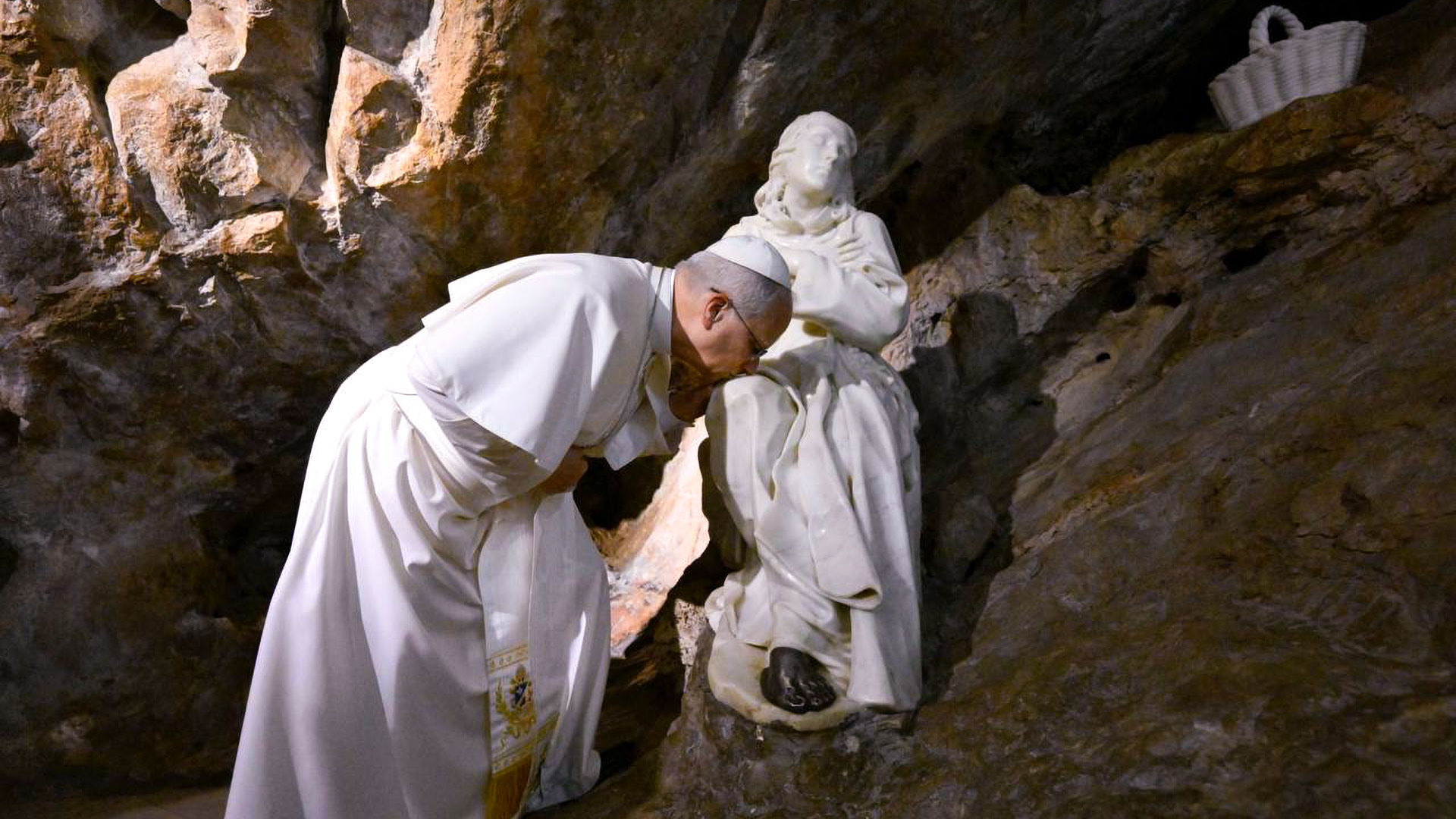
Pope Leo’s Benedictine Summer
CIB Approves Milestone Restructuring at Rome Meeting

A Glance into the Catalogus: Large Monasteries and Popular Names
Summer Formation at Sant’Anselmo: Four Programmes for 2027