
Br. Richard Oliver OSB: The Monk Who Brought Benedictines to the Web
Brother Richard Oliver OSB foresaw the digital age and, in 1995, built OSB DOT ORG—one of the earliest Catholic websites. His pioneering “monastic webweaving” connected Benedictines worldwide long before the internet was common ground.
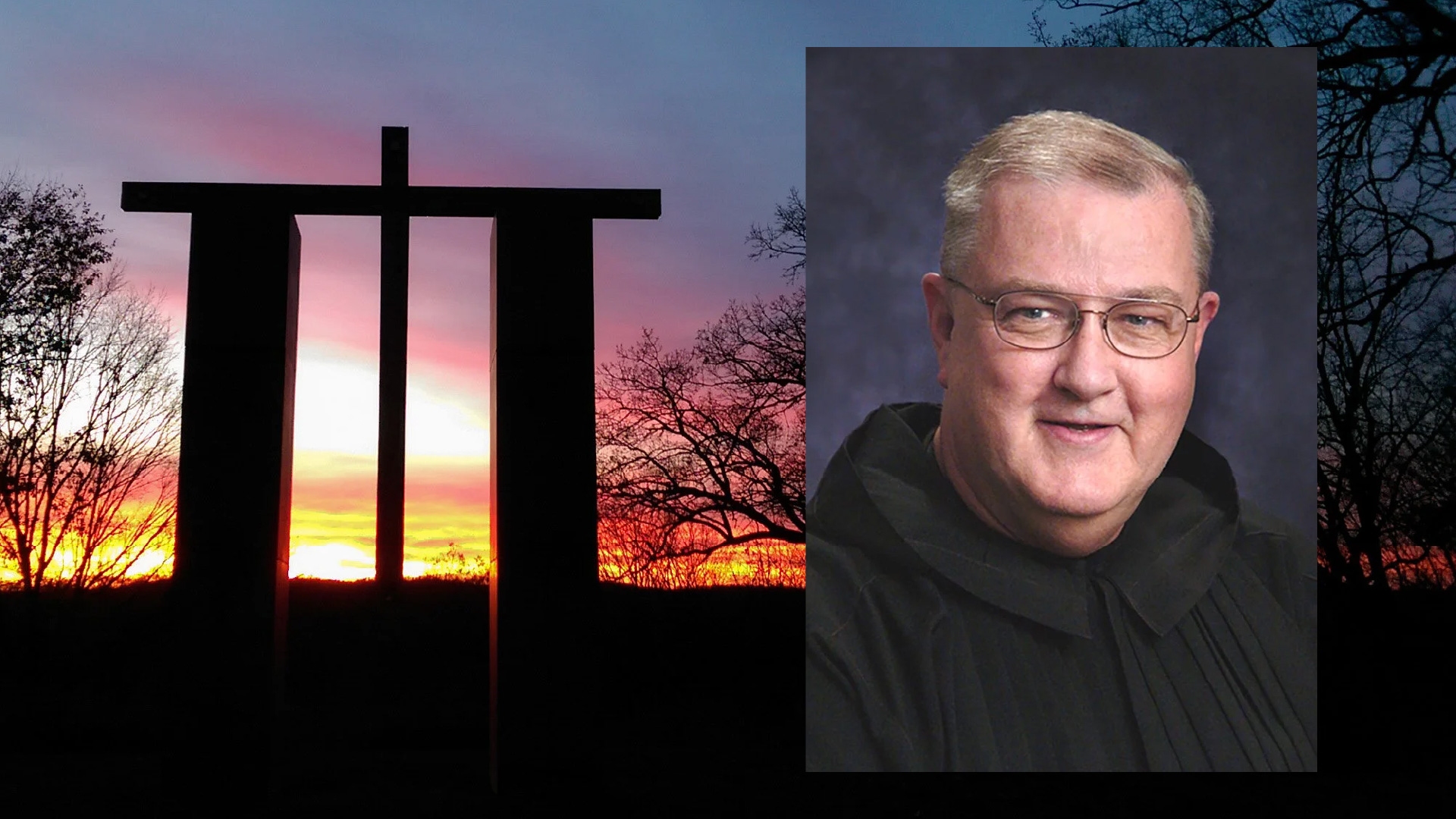
Photos courtesy of Saint John’s Abbey
17 October 2025
There are moments when a person quietly changes the landscape of their time, not through noise or self-promotion, but through vision and perseverance. Brother Richard Oliver OSB was such a person. Long before most had even heard of the World Wide Web, he recognised its potential for connection, education and service to the monastic world.
In the early 1990s, from his home at Saint John’s Abbey in Collegeville, Richard took the unusual step of claiming the domain osb.org. On 1 April 1995, he launched what became one of the first official Catholic websites. Abbot Primate Jerome Theisen OSB reviewed and approved the site that same year, setting a precedent for how monastic communities could engage with emerging technologies. Over the next two decades, OSB DOT ORG would grow into a trusted resource for Benedictine communities across the globe.
The site’s purpose was never self-promotion. It was, as Richard described, a collaborative work—a digital cloister built by “many talented and generous monastics, oblates, and friends.” From its “What’s New?” section to the comprehensive bibliographic index of the Rule of Saint Benedict, OSB DOT ORG gathered and shared information on Benedictine houses, retreat centres, publishers, academic institutions and international organisations. Its visitors—whom Richard affectionately called “Cyberspace Pilgrims”—found a rare blend of hospitality and intelligence in its design.
Richard’s “monastic webweaving” was recognised far beyond monastic circles. OSB DOT ORG was featured in the book Catholicism on the Web by Thomas C. Fox, (1997), received the McKinley Group’s 3-Star rating and the LYCOS Top 5% Review, and earned awards from Bayardweb, Panorama magazine, Ashgate Arachnid UK and Mozilla. The Encyclopaedia Britannica recommended it, and the Bavarian State Library later archived it as part of the digital patrimony of Catholic monasticism. In each case, the praise pointed not to technical flash but to the site’s clarity, accessibility and depth.
His attention to accessibility was characteristic. Quoting the Rule of Saint Benedict—“Great care and concern are to be shown in receiving poor people and pilgrims”—Richard saw web design as a form of hospitality. He insisted that every page could be read by any browser, including text-based ones used by the visually impaired. This commitment to openness was both practical and profoundly Benedictine: a form of digital lectio, inviting all to enter and learn.
Even as technology advanced, Richard remained hands-on, as editor of the site until his death. In 2018, shortly before stepping back, he transferred the stewardship of OSB DOT ORG to an international committee of Benedictine superiors, including Jeremias Schröder (now abbot primate), Elias Lorenzo (now auxiliary bishop) and Mauritius Wilde (now abbot)—ensuring that his creation would continue to serve the whole Confederation.
To explore the OSB DOT ORG archive today is to glimpse a digital monastery of the late 20th century: simple, functional, and quietly rich in meaning. It is also a view inside the spirit of its creator — a thoughtful, forward-looking monk who cared deeply about enduring Christian values and expressed them through his twin passions for “webweaving” and monastic life. Those who now carry on his work recognise in every page his intelligence, restraint and quiet generosity. We will greatly miss his gentle humour and good spirit.
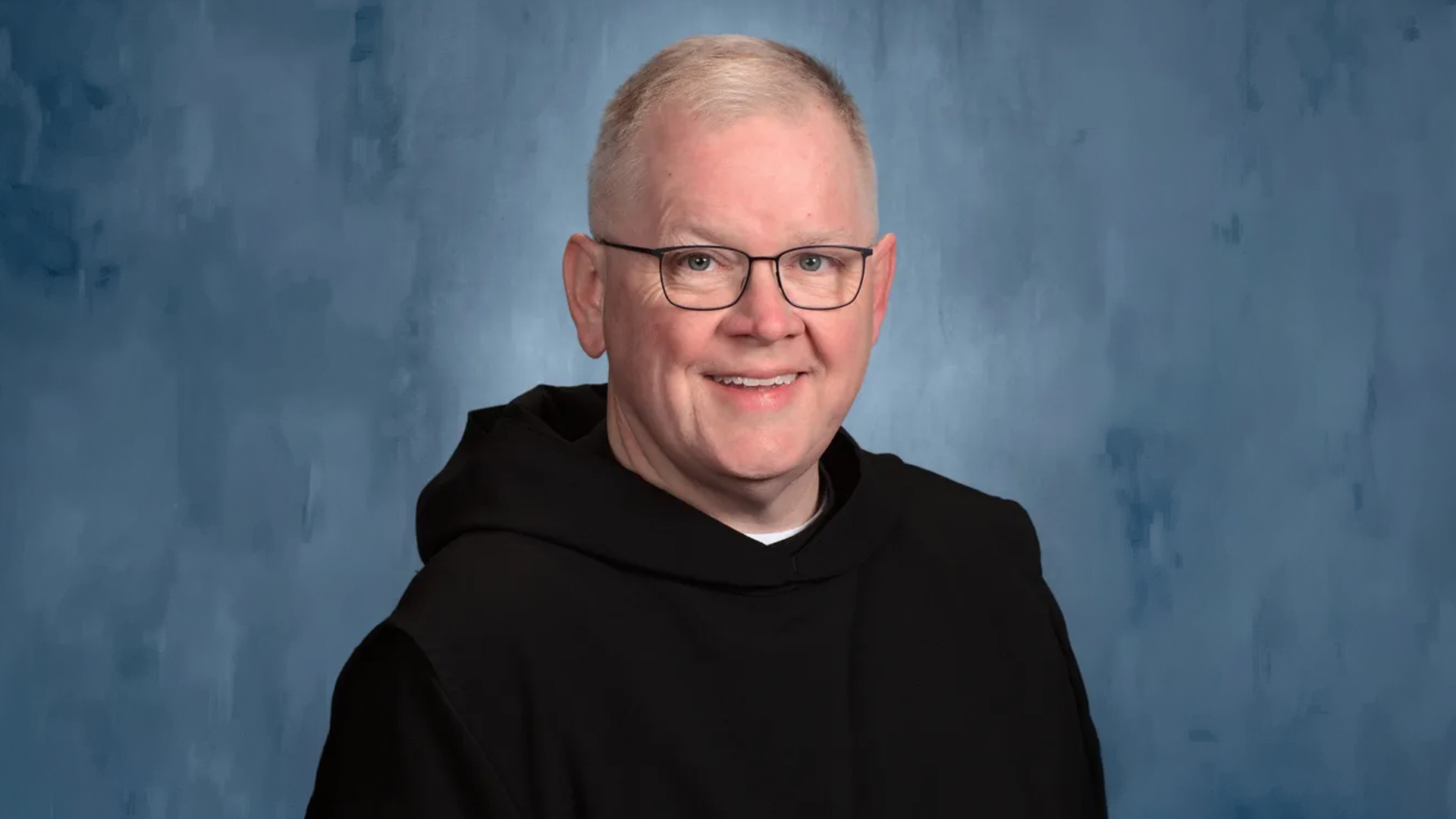
Monk of Saint Meinrad Archabbey appointed Bishop of Belleville
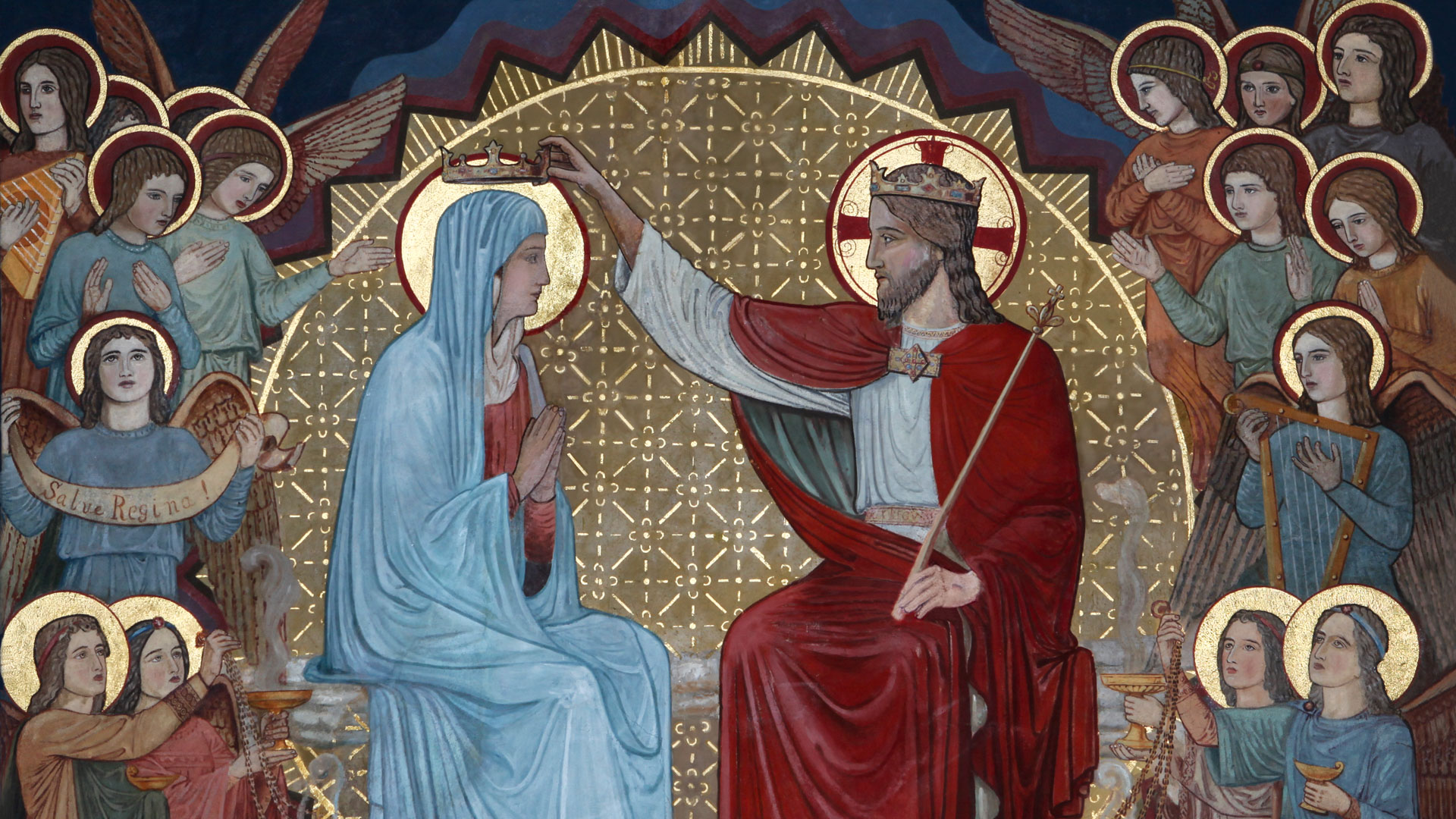
Reflections on Beuronese Art in the Conception Abbey Basilica
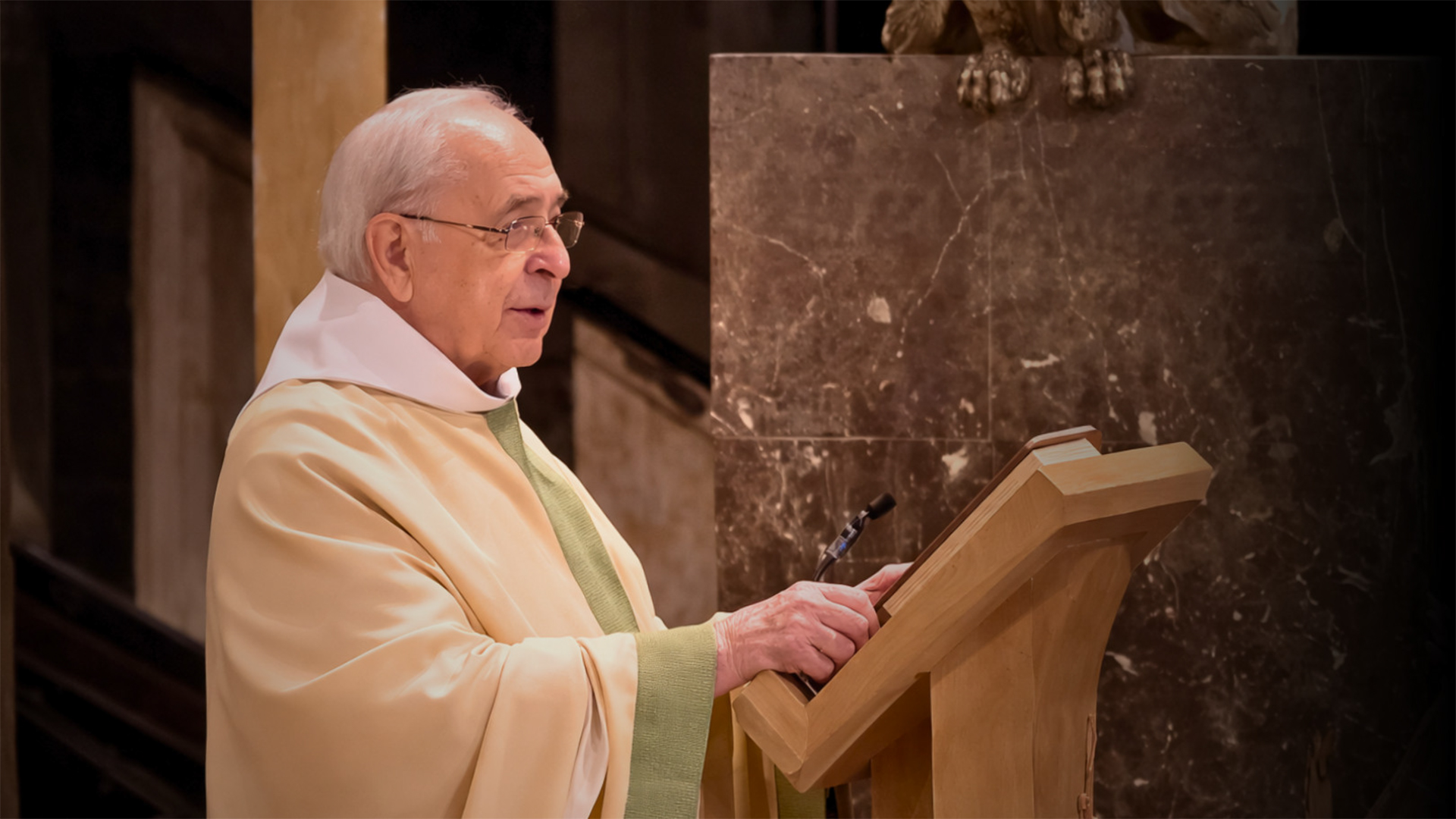
In Memoriam: Father Joan M. Recasens i Puig OSB
Planning the Future of CIB: Statutes, Symposia, and the Joy of Shared Life
BCC Meeting Addresses Complex Realities for the Church in China, Seeks Paths of Unity
Liturgy Marked by Diversity — and War : A Report from Kuwait