
Vocations in Benedictine Monasteries: Insights from a Master’s Thesis
A study presented at Sant’Anselmo explores how Benedictine communities in Germany, Austria and Switzerland are addressing demographic shifts through identity, community life and adaptive innovation.

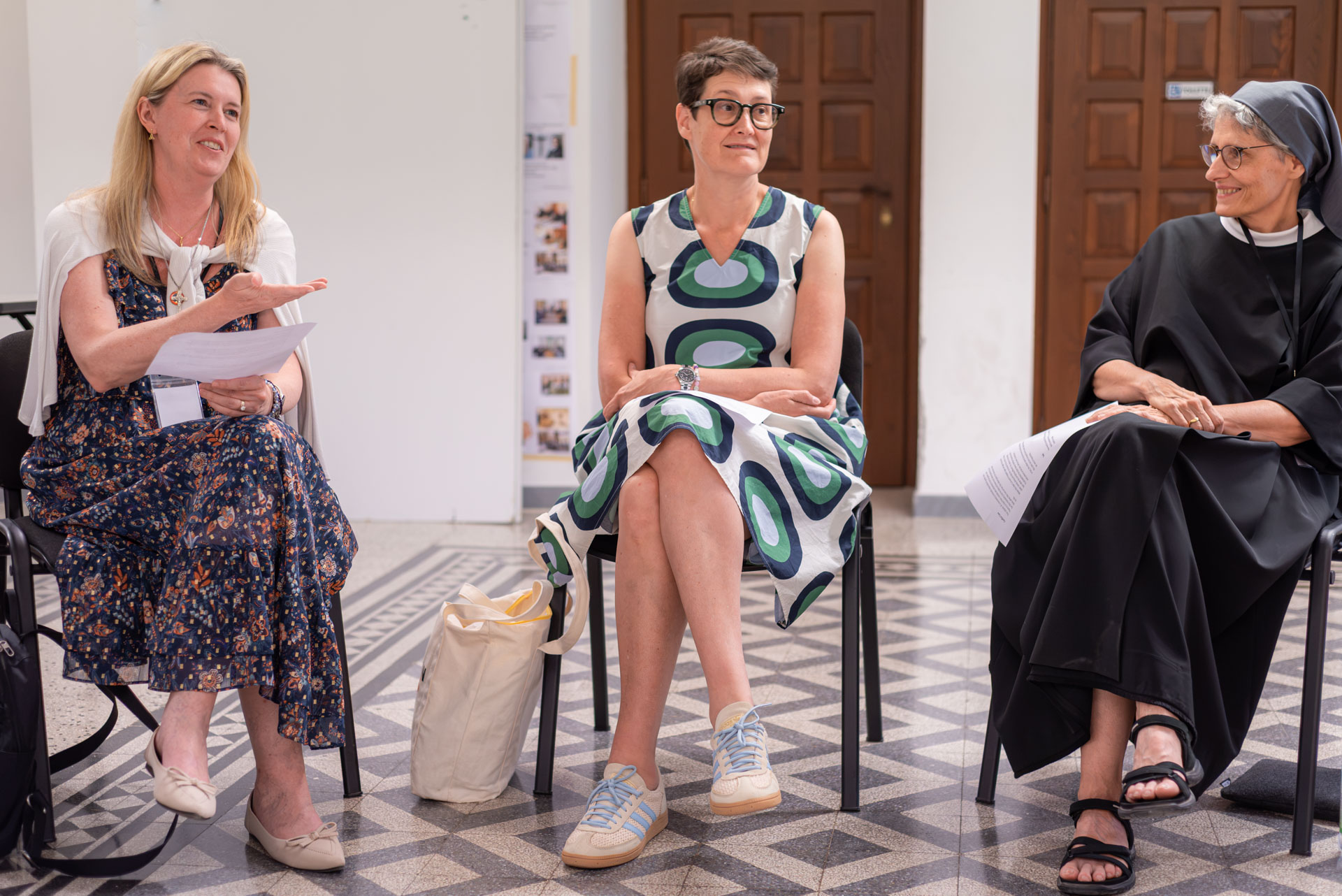
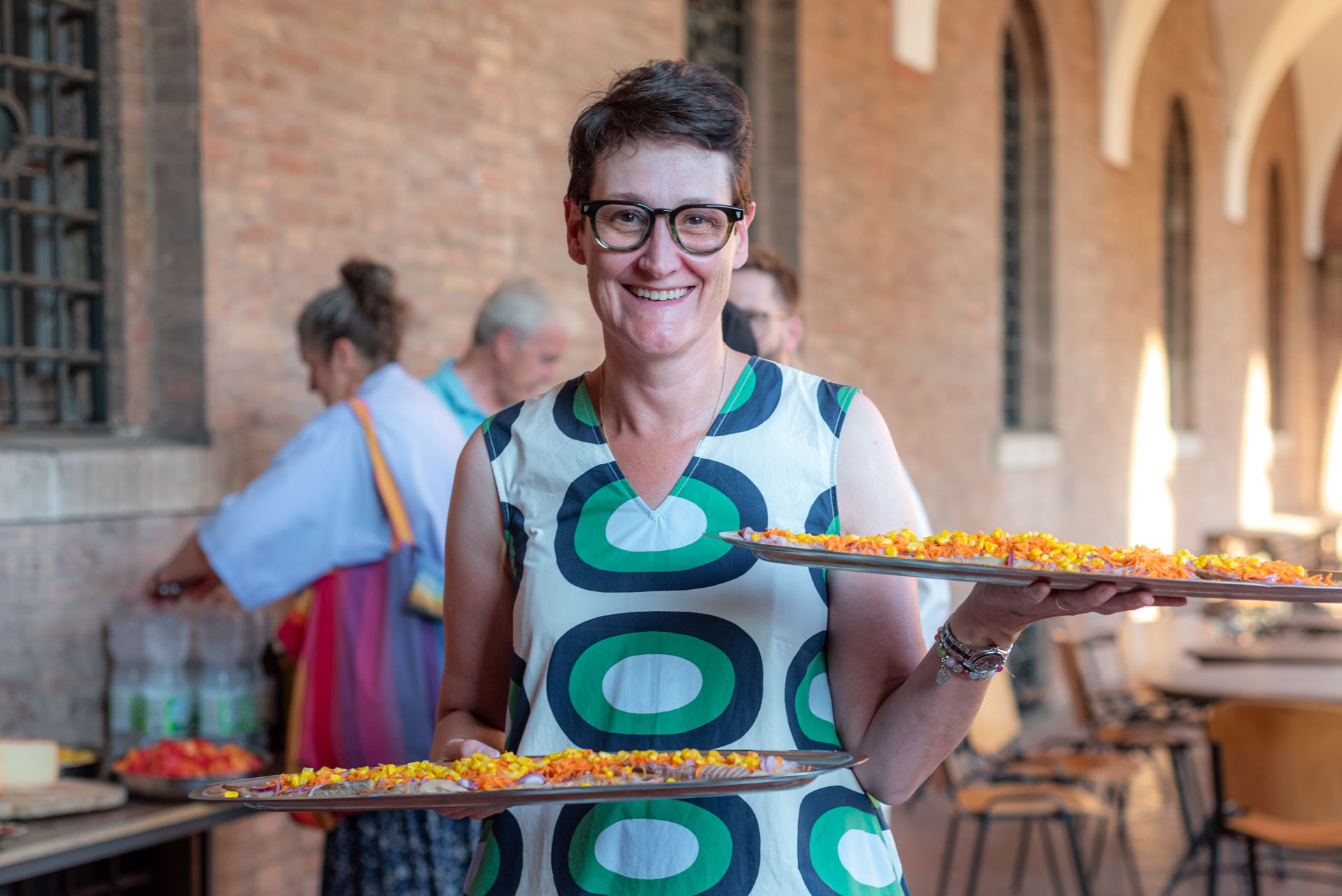
Karin Mannhart presenting her research



24 Settembre 2026
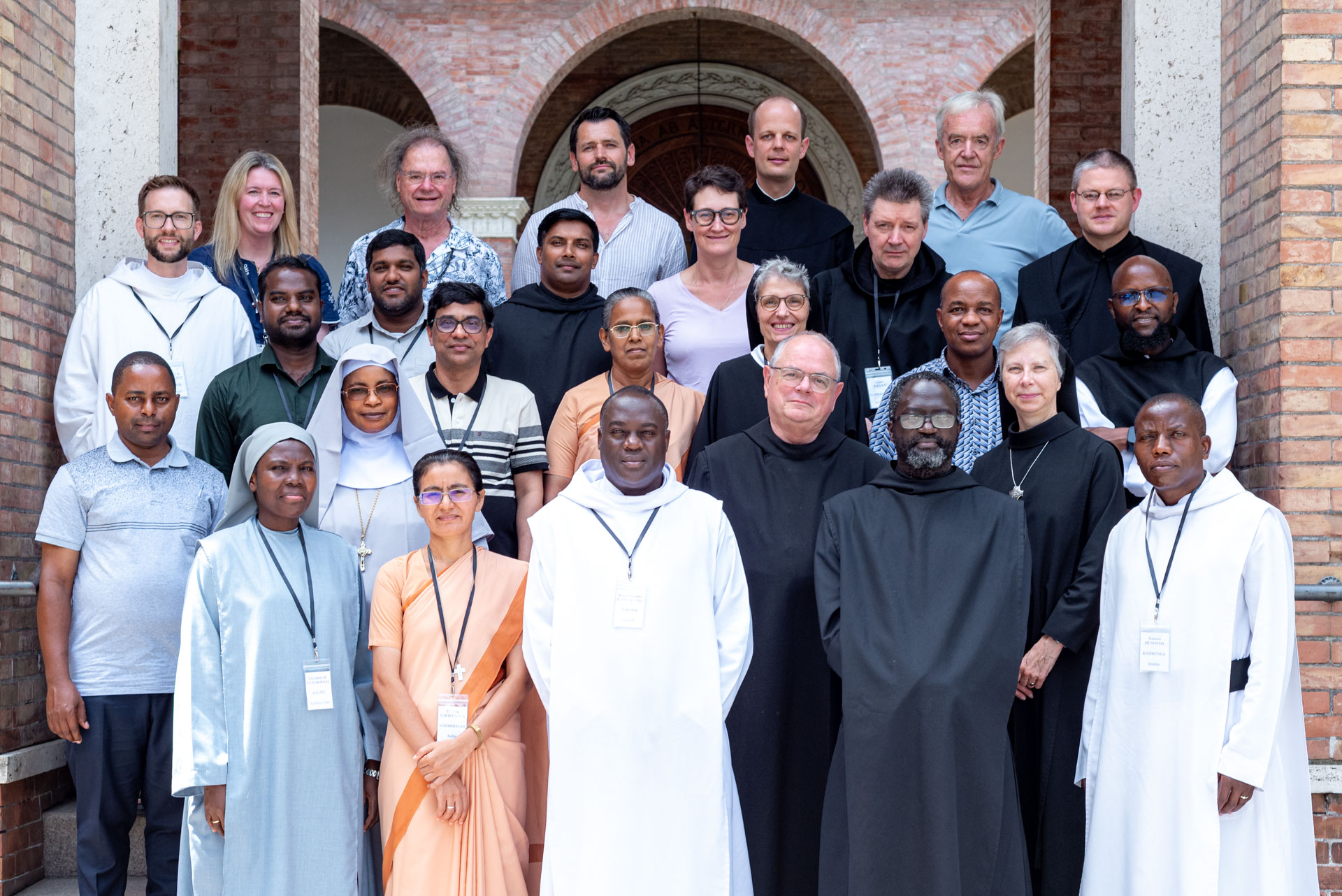
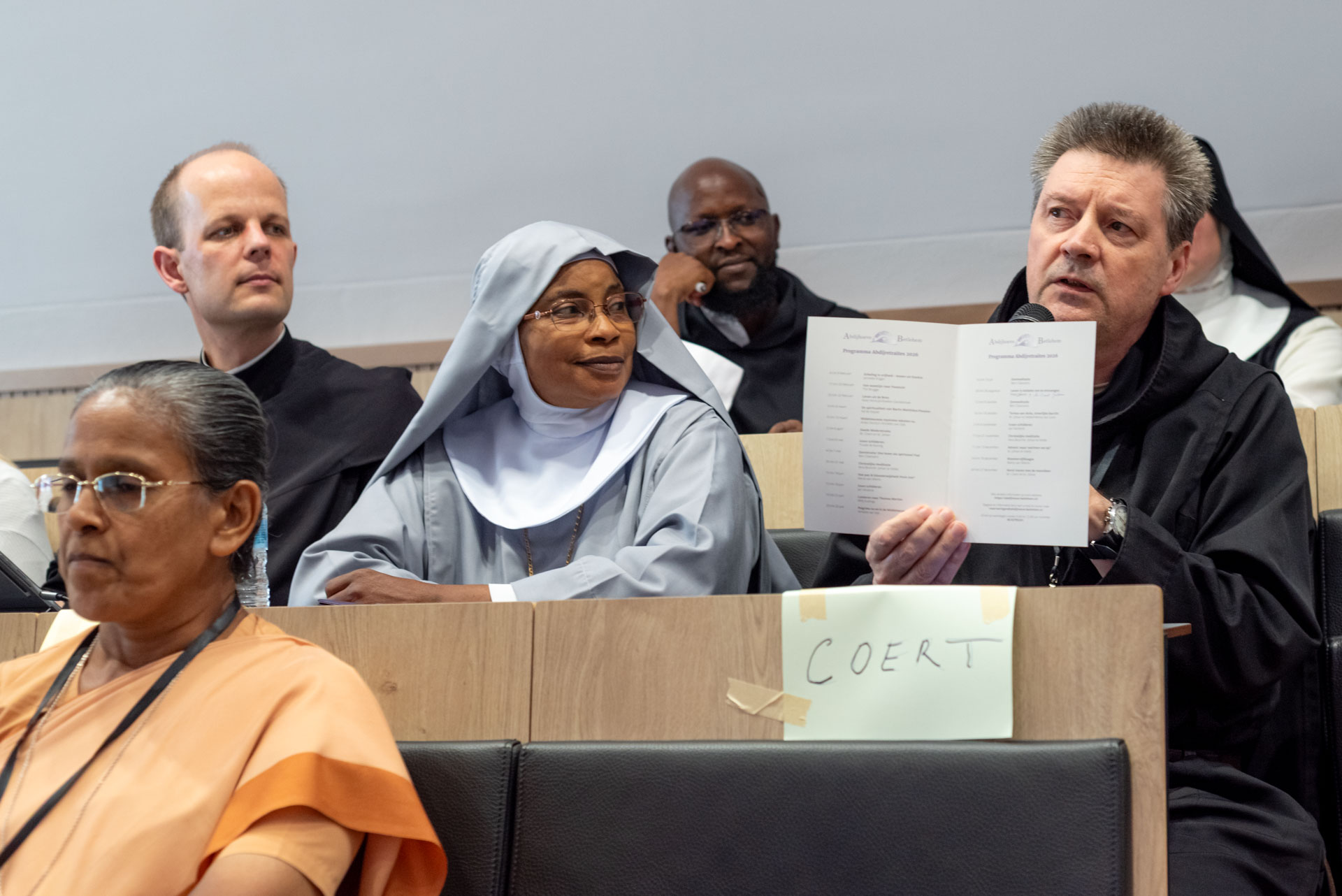
During the 11th edition of the course Leadership and the Rule of Saint Benedict held at Sant’Anselmo from 6 to 17 July, Karin Mannhart presented key findings from her master’s thesis, submitted to the University of St. Gallen, Switzerland, in spring 2026. The thesis examines the decline in vocations to Benedictine monasteries in German-speaking Europe. It explores the reasons for this decline, its impact on monastic communities, and how communities are responding, with a particular focus on innovation. The research is based on interviews with monks and nuns from Germany, Austria, and Switzerland.
The interviews identified secularization, individualization, and demographic change as the main reasons for the decline. As a result, fewer people come into contact with the Church and religious life. Traditional paths to a religious vocation, which often began through church involvement or family influence, are becoming less common, while direct transitions from monastic schools have largely disappeared. This development contrasts with a growing demand for monastic offerings, such as spiritual guidance, advice, or short stays at monasteries.
Fewer vocations mean a heavier workload for everyone in the community. At the same time, the proportion of older monks and nuns is increasing, often requiring additional external support and financial resources to get the work done. Several interviewees reported that, under this pressure, areas at the heart of Benedictine life can suffer in particular: personal prayer, Lectio divina, and community life. The question of vocations therefore concerns not only the future of individual monasteries but also the transmission of Benedictine spirituality and the monastic way of life.
In light of these developments, a clear profile emerged as a cornerstone of an effective response. Communities that know why they exist and what they stand for, and communicate this clearly, are easier to find and understand. A strong profile not only strengthens how a community is perceived from the outside but also helps it use its limited resources more deliberately and set clear priorities. At the same time, the quality of community life remains essential, because authenticity is visible to visitors. Openness also requires clear boundaries: communities need to create and protect spaces for enclosure, prayer, and recreation so that adapting to new circumstances does not come at the expense of the foundations of monastic life.
Building on this, the next question is what communities can offer. Guest programs, events, and opportunities for encounter can provide interested people with a first point of contact with monastic life. Events such as World Youth Day, youth groups, and oblate groups can be particularly effective ways to raise awareness. New forms of belonging can also play a role, for example, communal living arrangements on monastery grounds and programs aimed specifically at young people or families. What matters is that such initiatives align with the individual community's profile and are not developed in isolation from its identity.
Equally important is how communities reach people and maintain dialogue with them. Websites and social media can offer a first glimpse into monastic life. However, personal exchange remains central – within the community, with interested people and those discerning a vocation, and among other monasteries. Internally, such exchanges are essential to maintaining the quality of the community by helping members recognize different perspectives and needs and to reflect together on necessary changes. Encounters with people outside the monastery can also help communities understand how others perceive them, reflect on how well they remain connected to the wider world, and identify which initiatives and offerings appeal to young people.
Innovation is crucial to the future of monastic communities: renewing existing practices and adapting to a changing environment without abandoning their own Benedictine tradition and spirituality. The research shows that successful innovation rarely comes from radical change. Instead, it often grows from renewed engagement with a community’s tradition and identity, paired with a willingness to review existing practices, recombine elements in new ways, and try new approaches. Examples include closer cooperation among monasteries in novice formation, allowing communities to share resources and experience. It can also include new forms of belonging, such as co-living arrangements with another community on monastery grounds. In some cases, innovation also requires the deliberate decision to stop existing activities, such as a monastic school in sharp decline or certain courses, to free up resources for new initiatives. Communities therefore also need the courage to let go of familiar practices and to learn from experience – including from attempts that did not succeed immediately.
The 12th edition of the LRB program will take place from 4 to 16 July 2027. Our LRB Director, Father Paul Tobler, will be happy to answer any questions you may have. You may email him at lrb@anselmianum.com

Emeritus Archabbot Korbinian Birnbacher OSB Installed as Treasurer of Sant’Anselmo
-
Vocations in Benedictine Monasteries: Insights from a Master’s Thesis
Verso il Giubileo:
Progressi positivi
La CIB approva una ristrutturazione storica all’incontro di Roma
Primas… Inter pares: un Sinodo in Ruanda

La Congregazione dell’Annunciazione tiene il Capitolo Generale presso l’Abbazia di Tyniec