
Formed in the Cloister, Called into Breadth: The Legacy of Br Radbod Commandeur OSB
The life and art of Br Radbod Commandeur OSB show how Benedictine formation deepened his craft and afforded his talent an extraordinary breadth, resulting in an enduring body of international liturgical art.
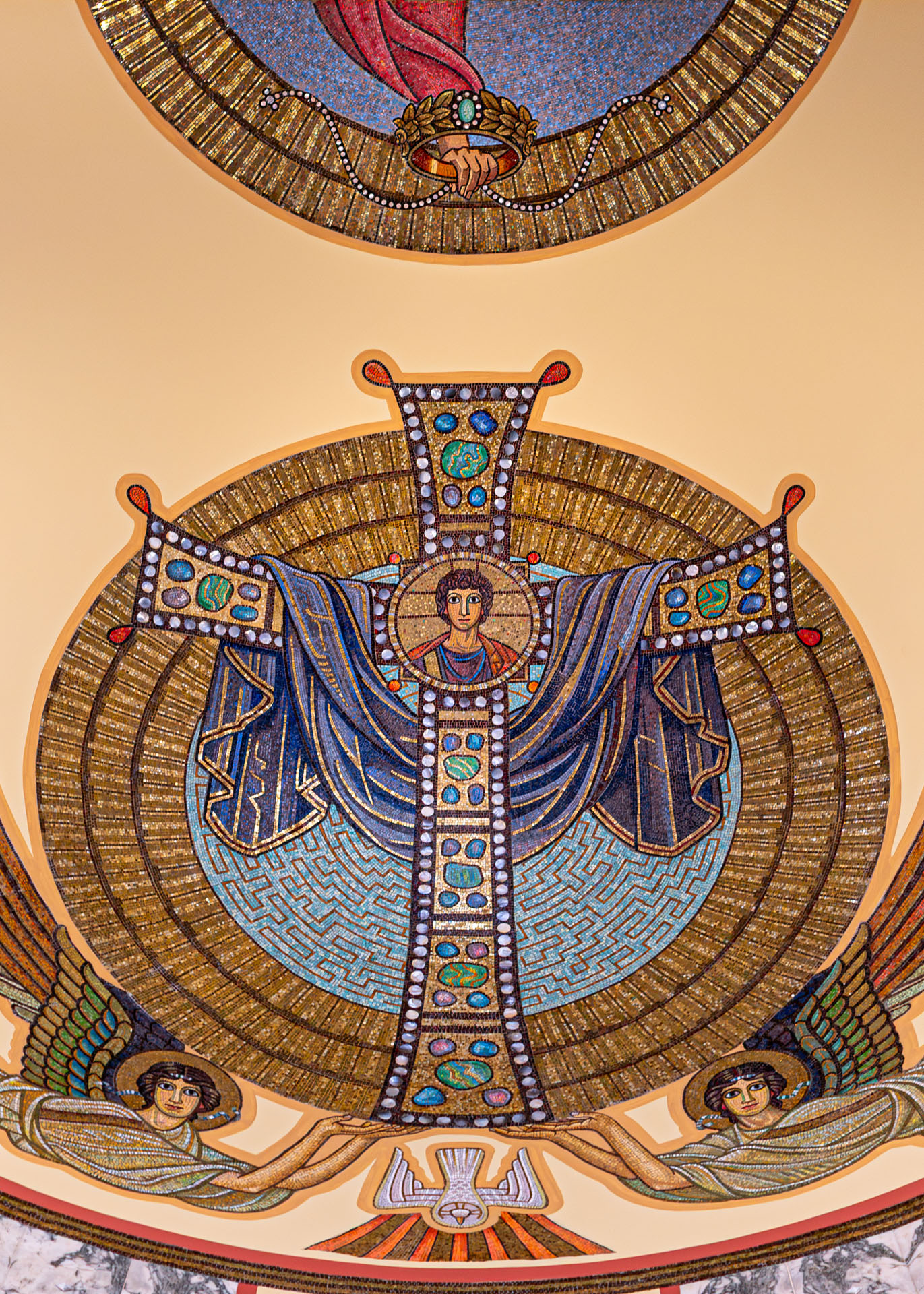
Photos courtesy of the Abbey of the Dormition and Sant’Anselmo
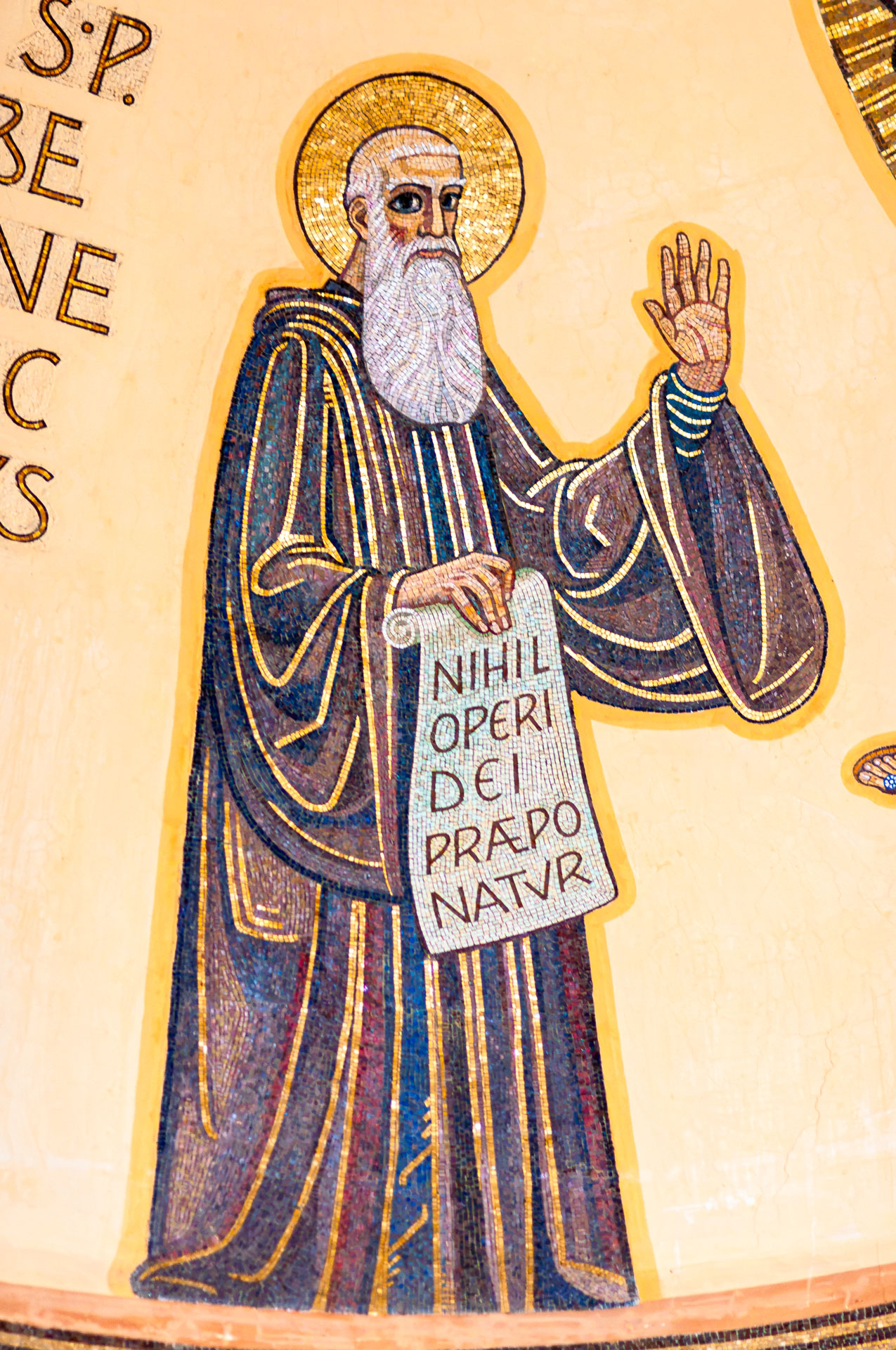
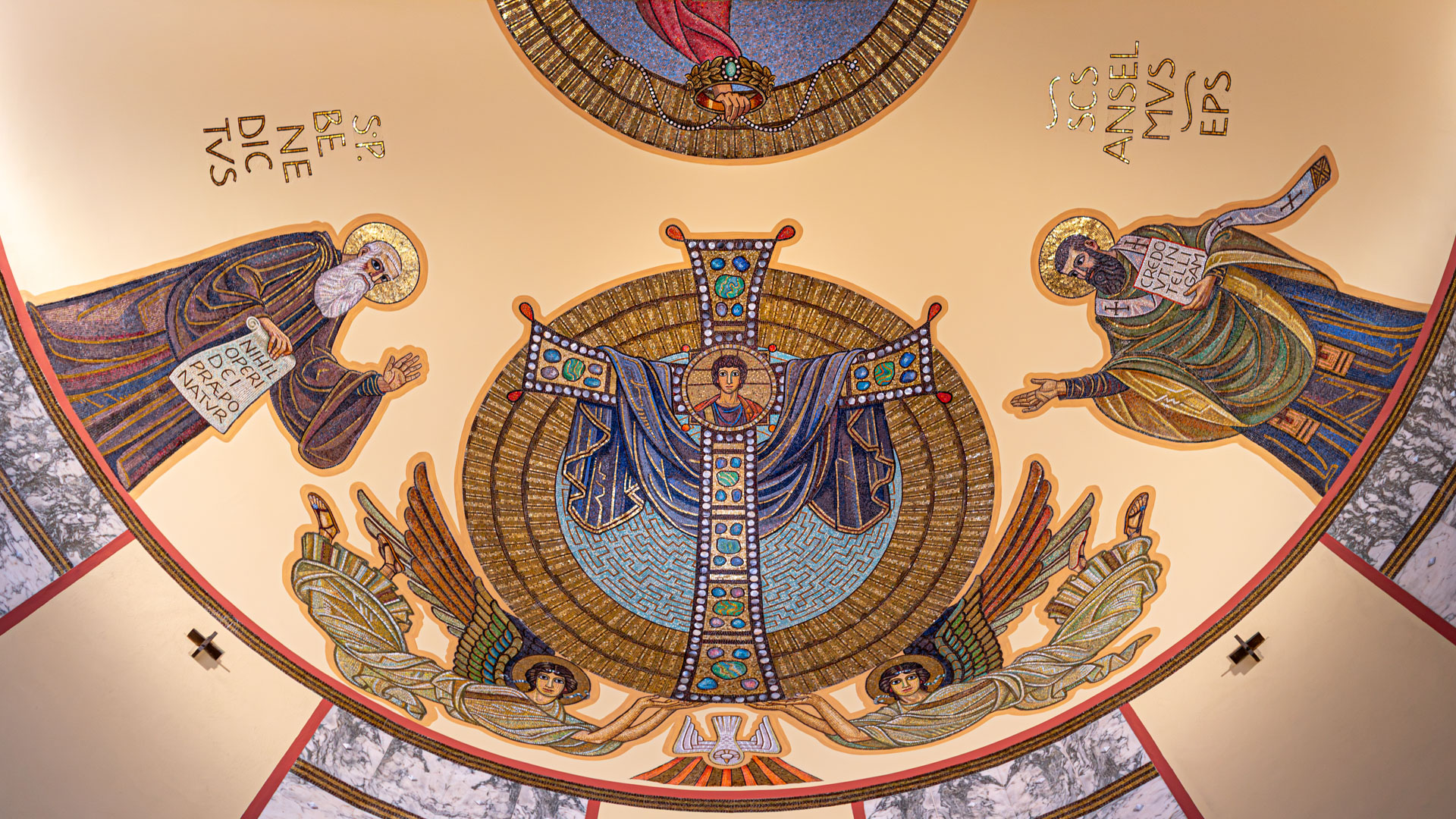
San Benedetto | Sant’Anselmo
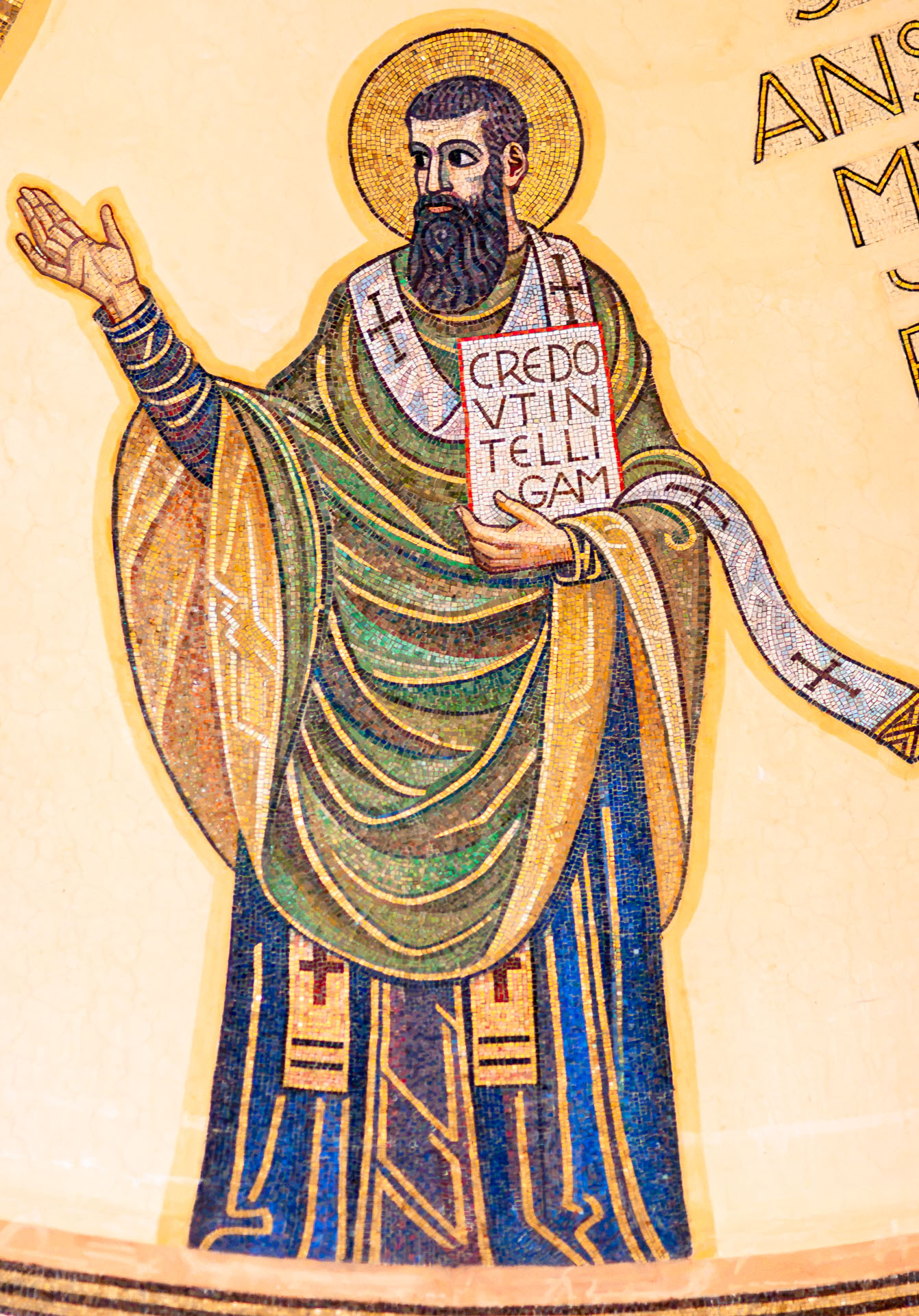
Sant’Anselmo | Sant’Anselmo
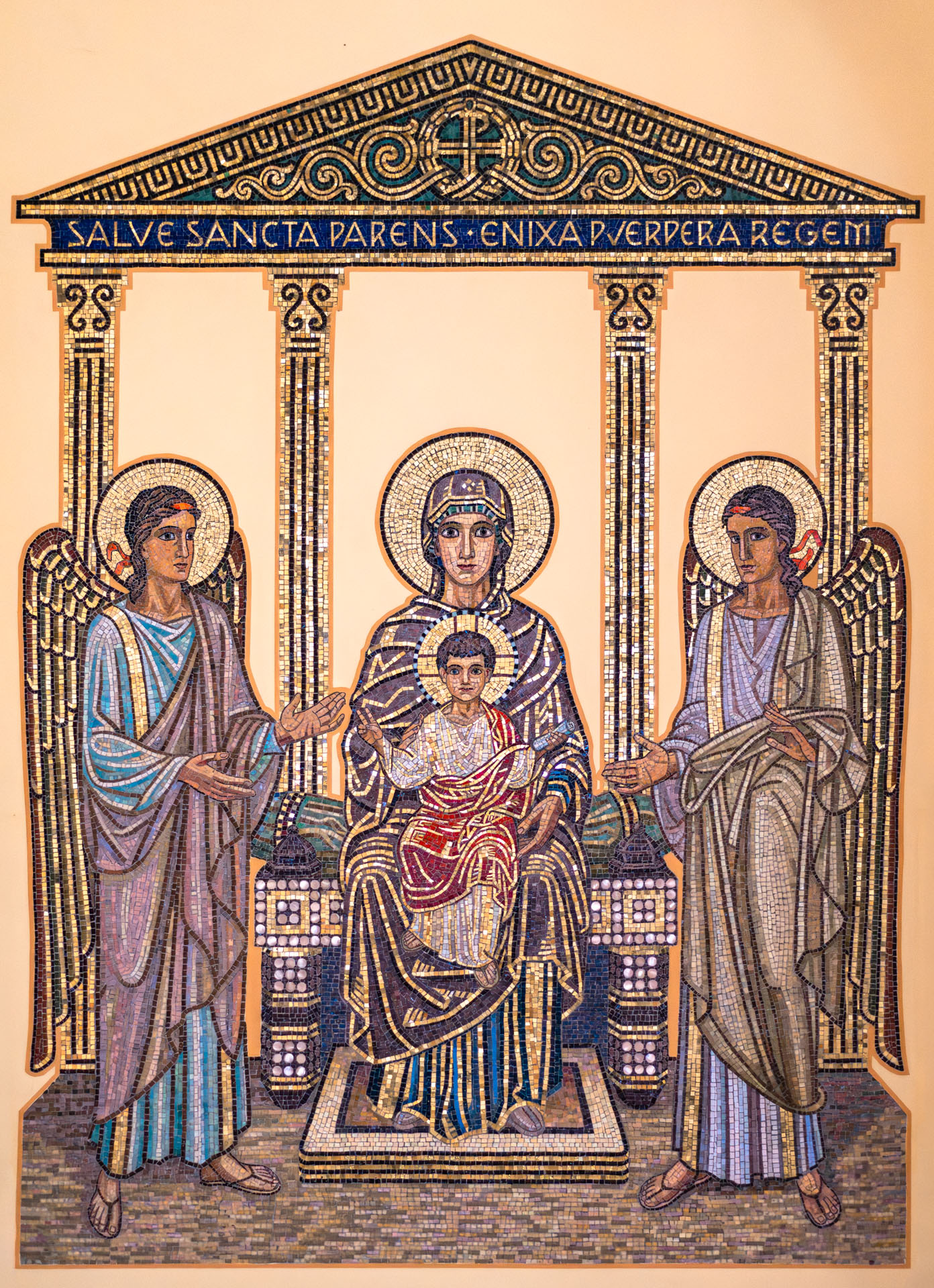
Christ enthroned | Sant’Anselmo
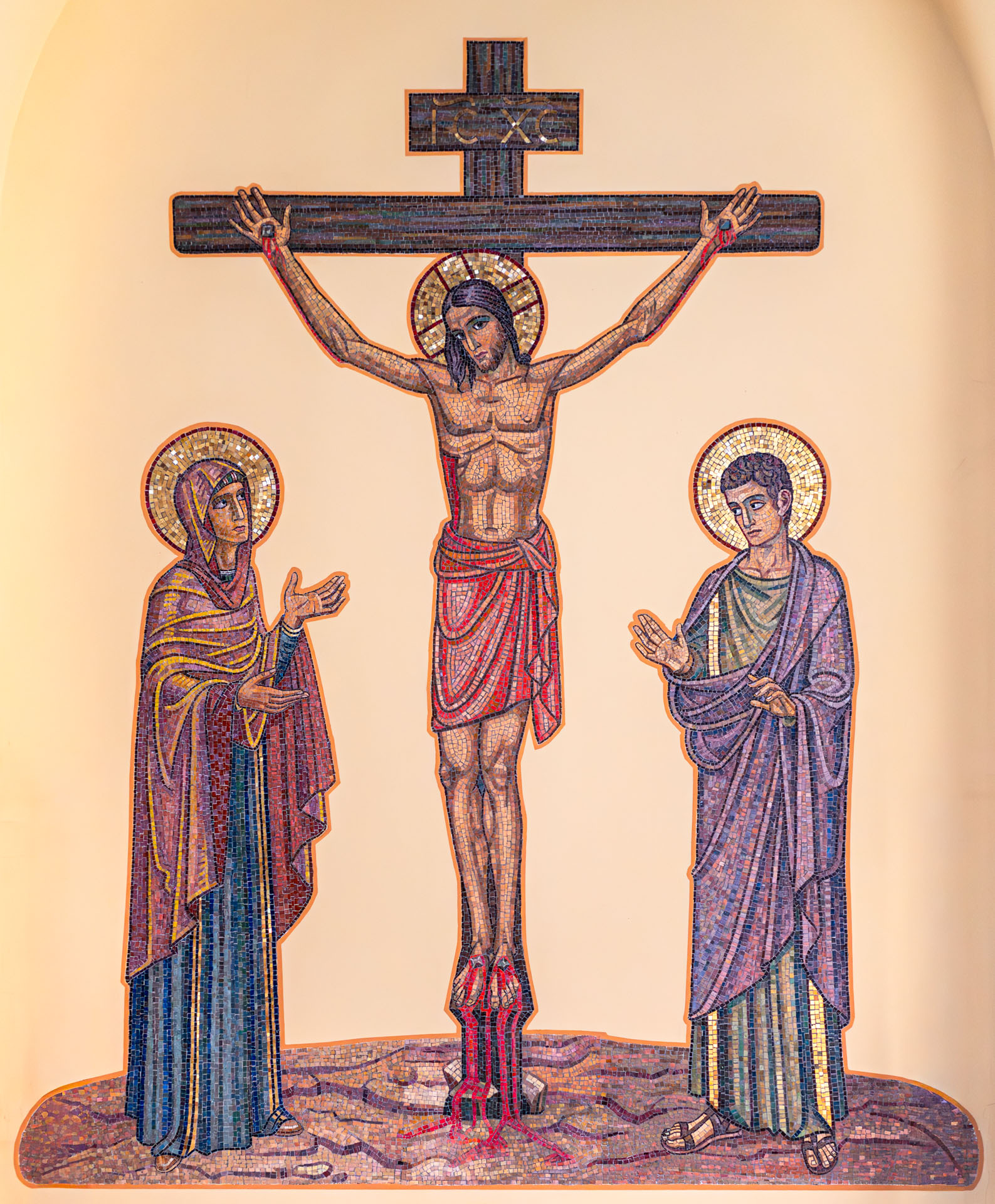
Crucifixion | Sant’Anselmo
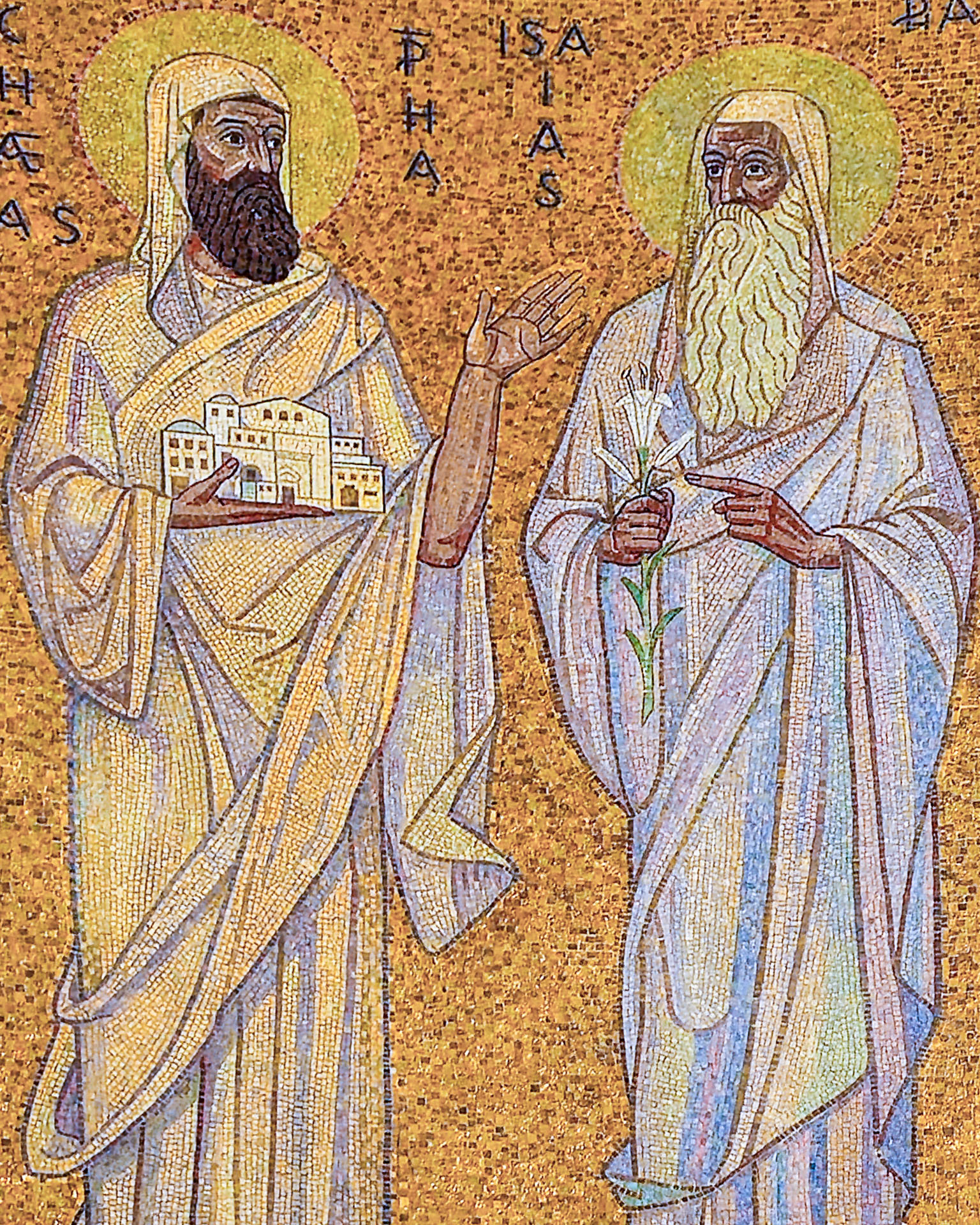
40 1 Propheten Micha Und Jesaja Basilius
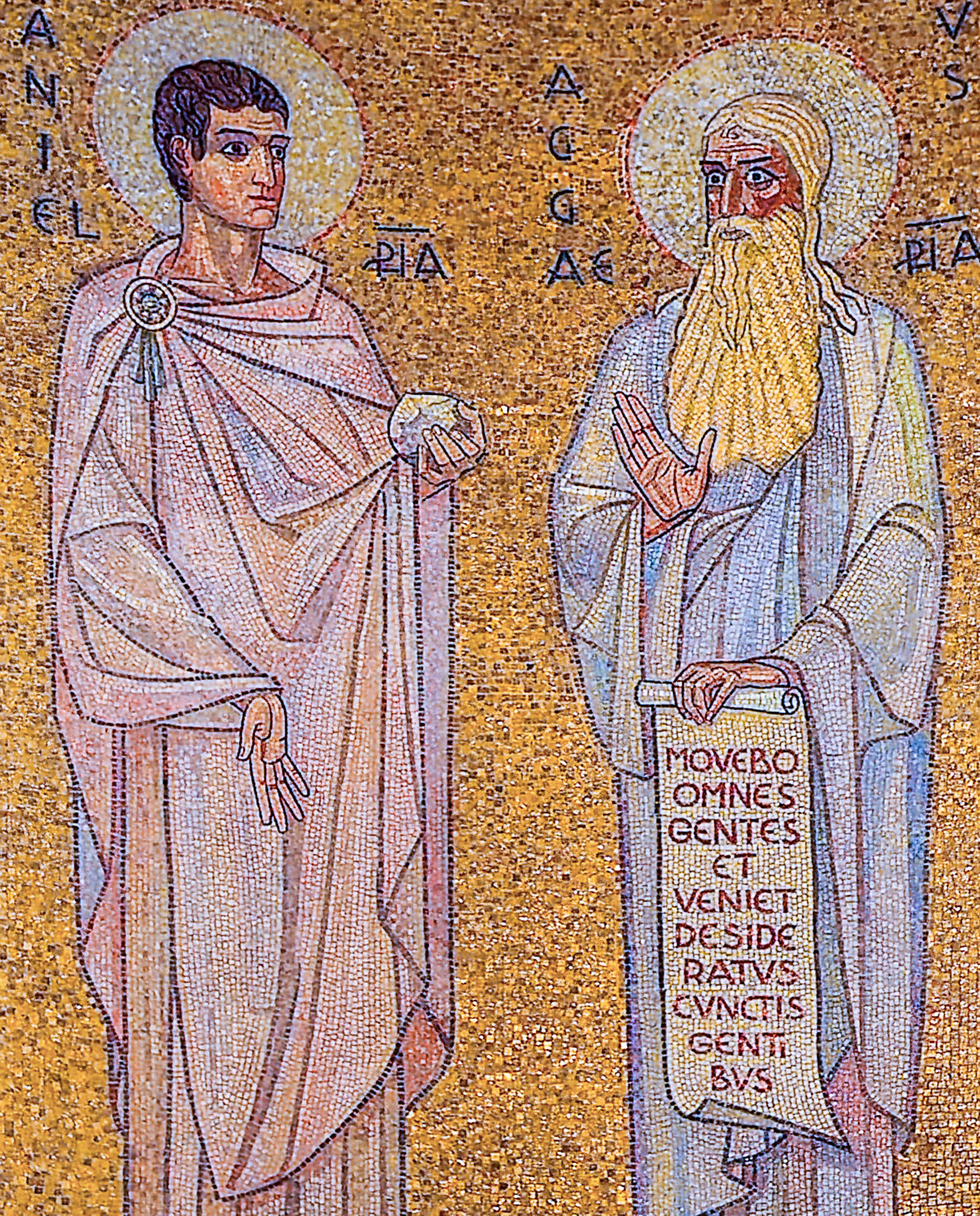
40 2 Propheten Daniel Und Haggai Basilius
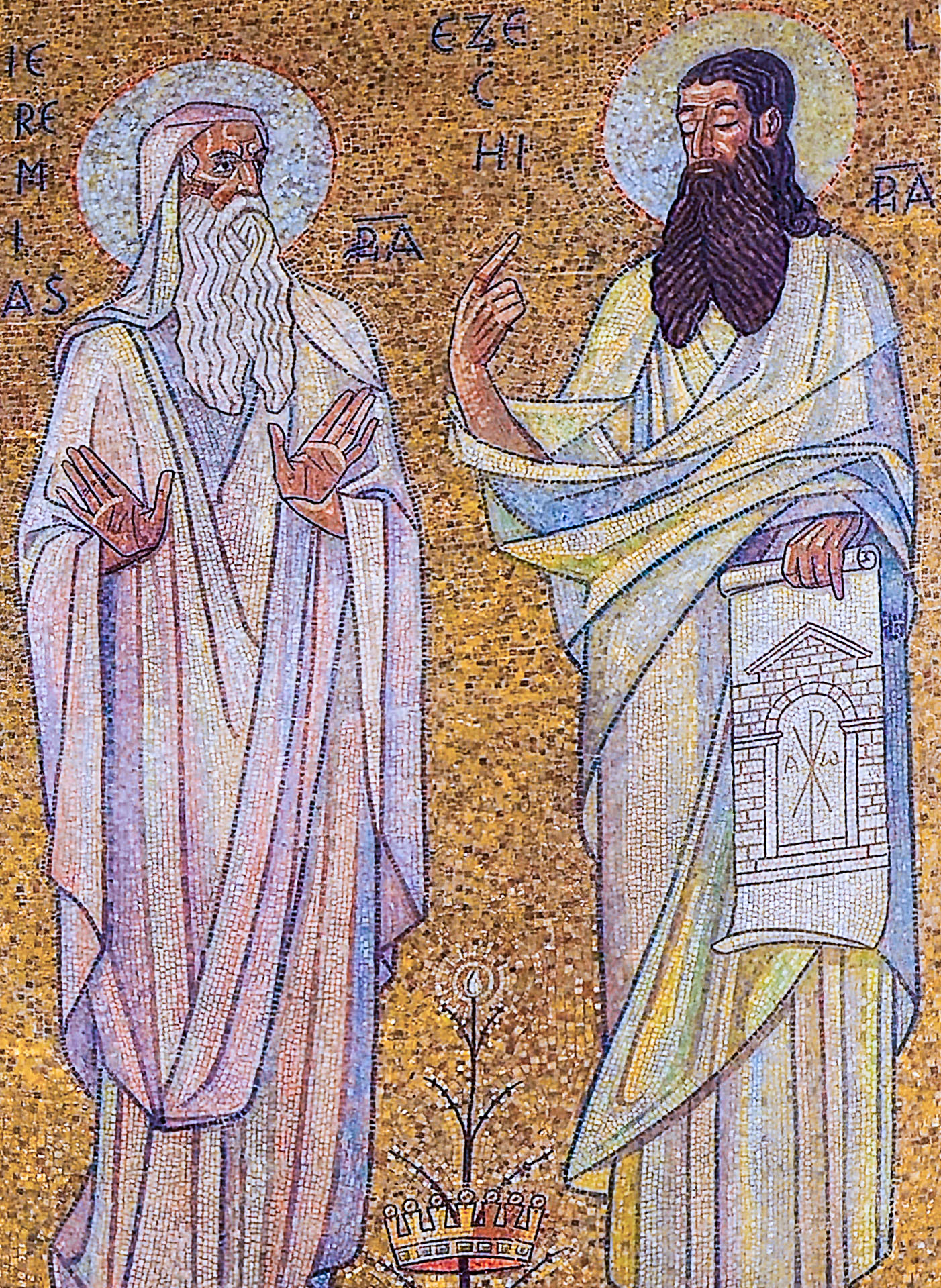
40 3 Propheten Jeremias Und Ezechiel
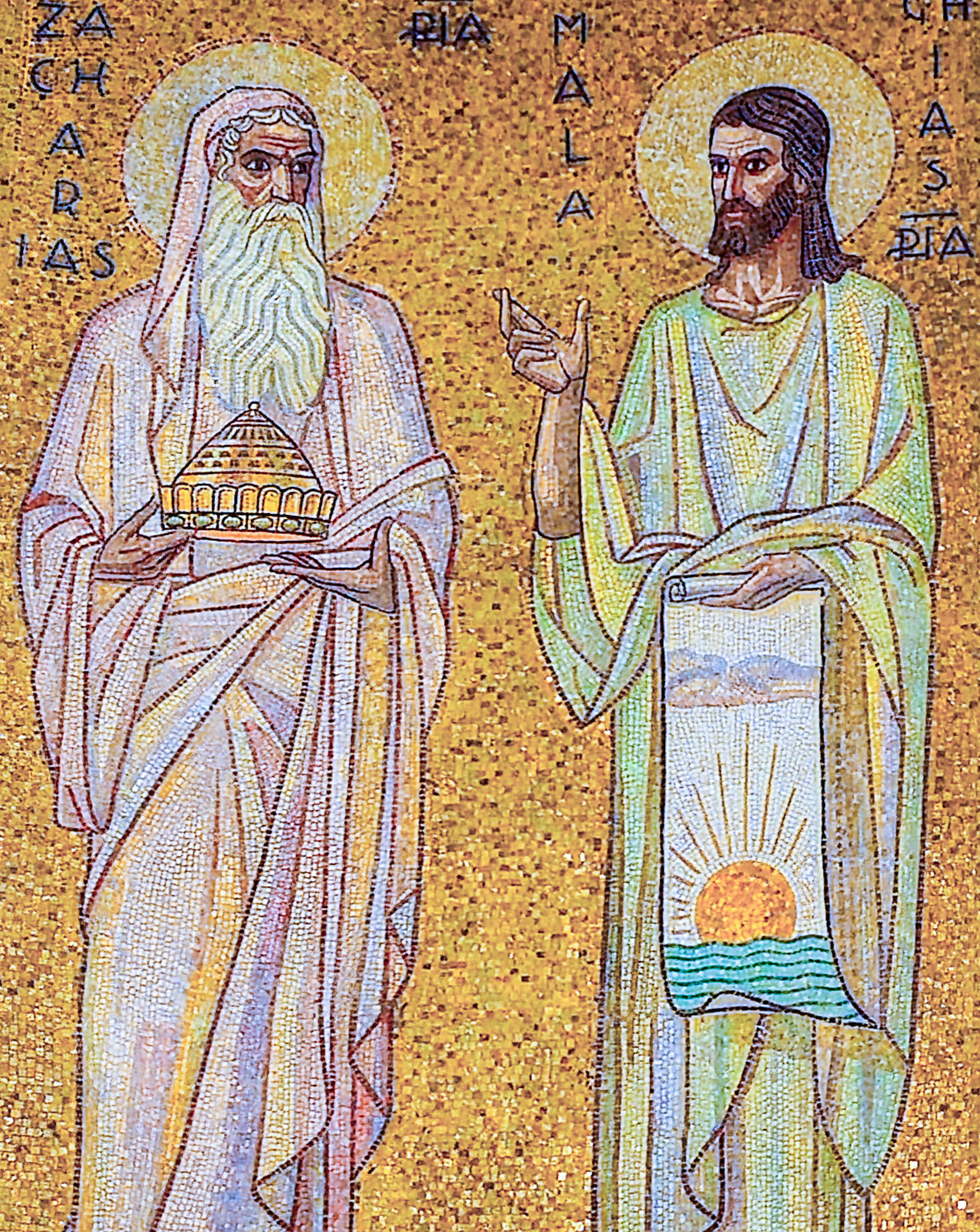
40 4 Propheten Zacharias Und Malachias Basilius
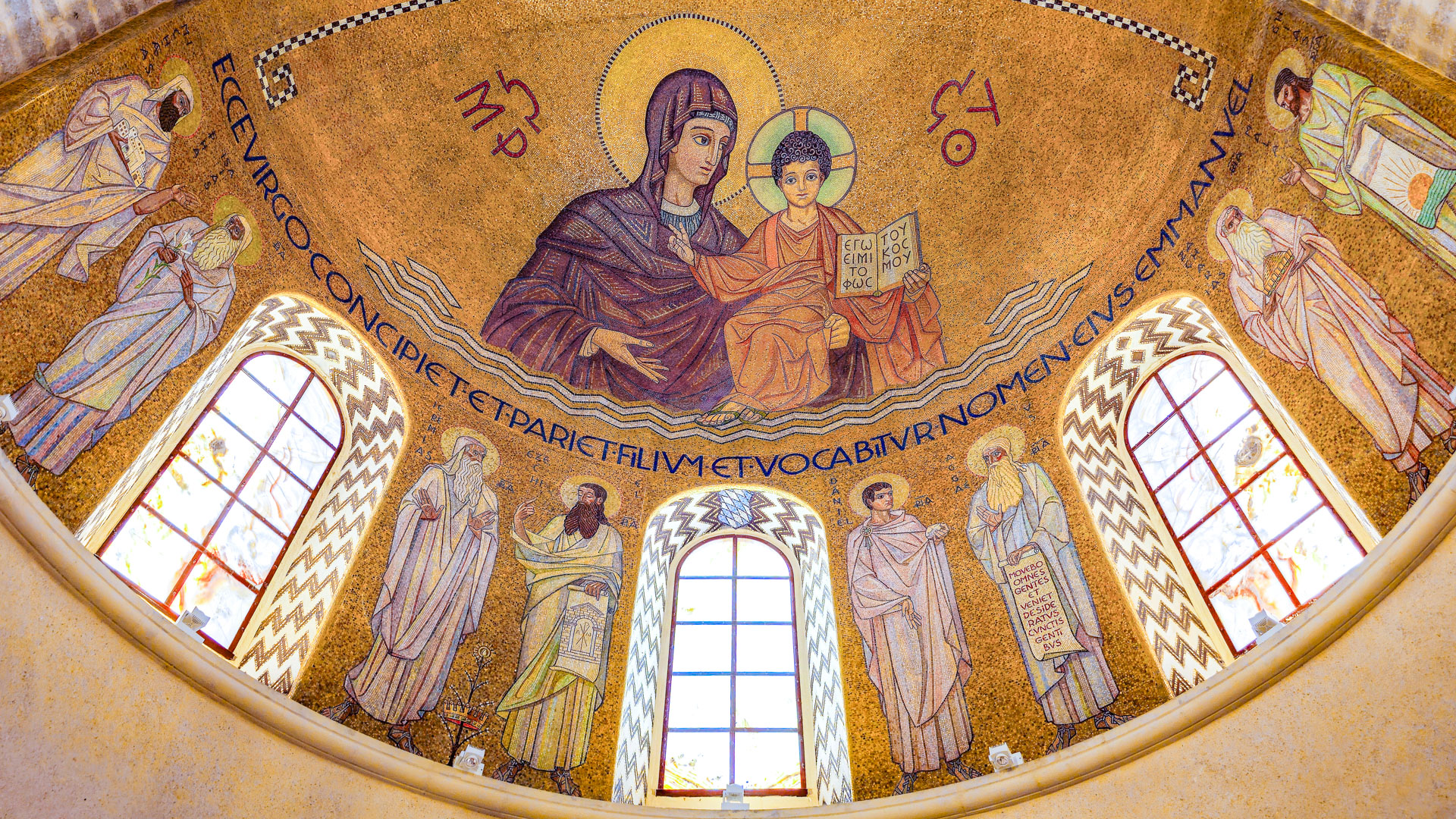
41 Chorraum Und Apsismosaik 01 Basilius
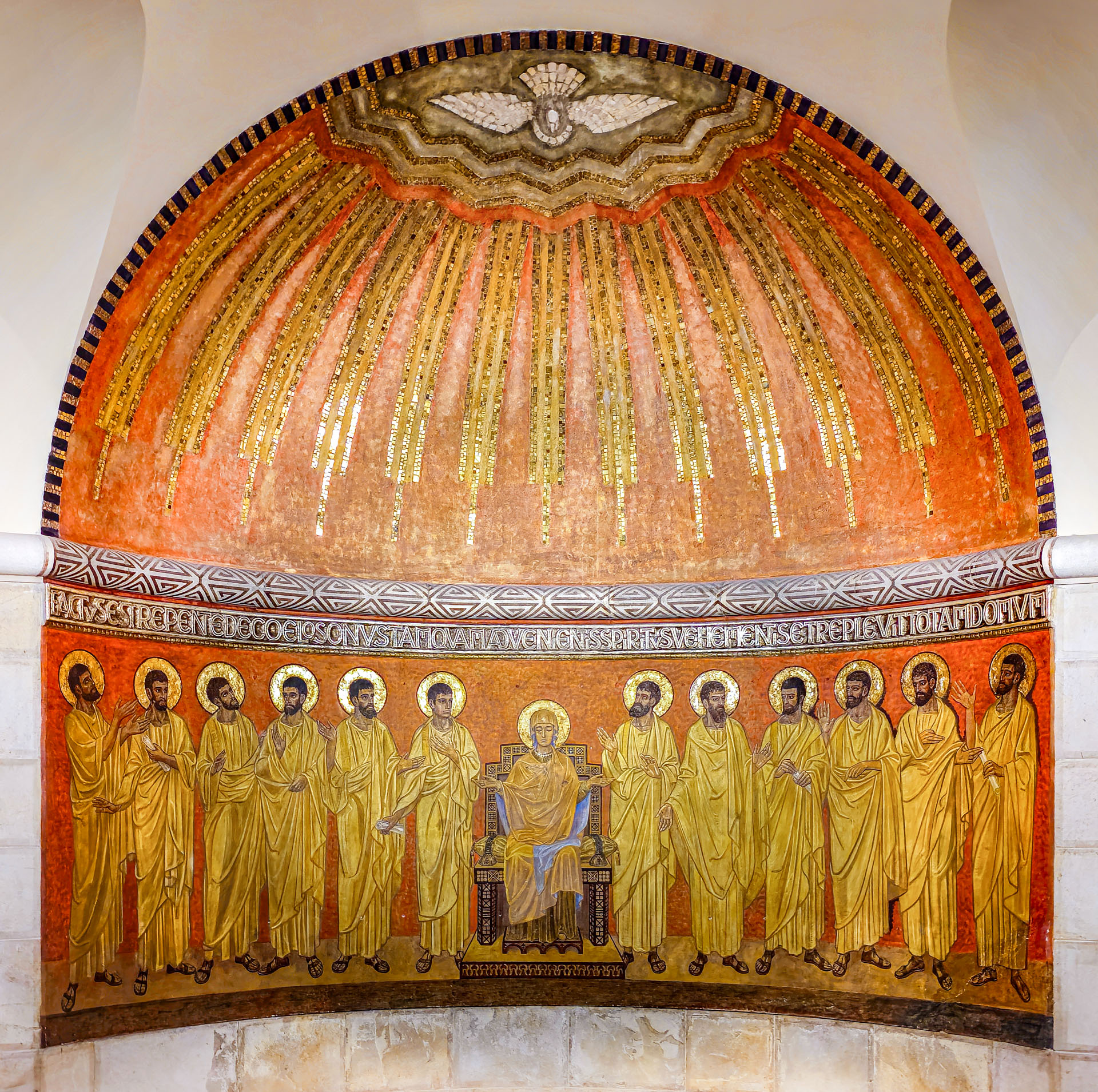
46 Pfingstbild 02 Basilius
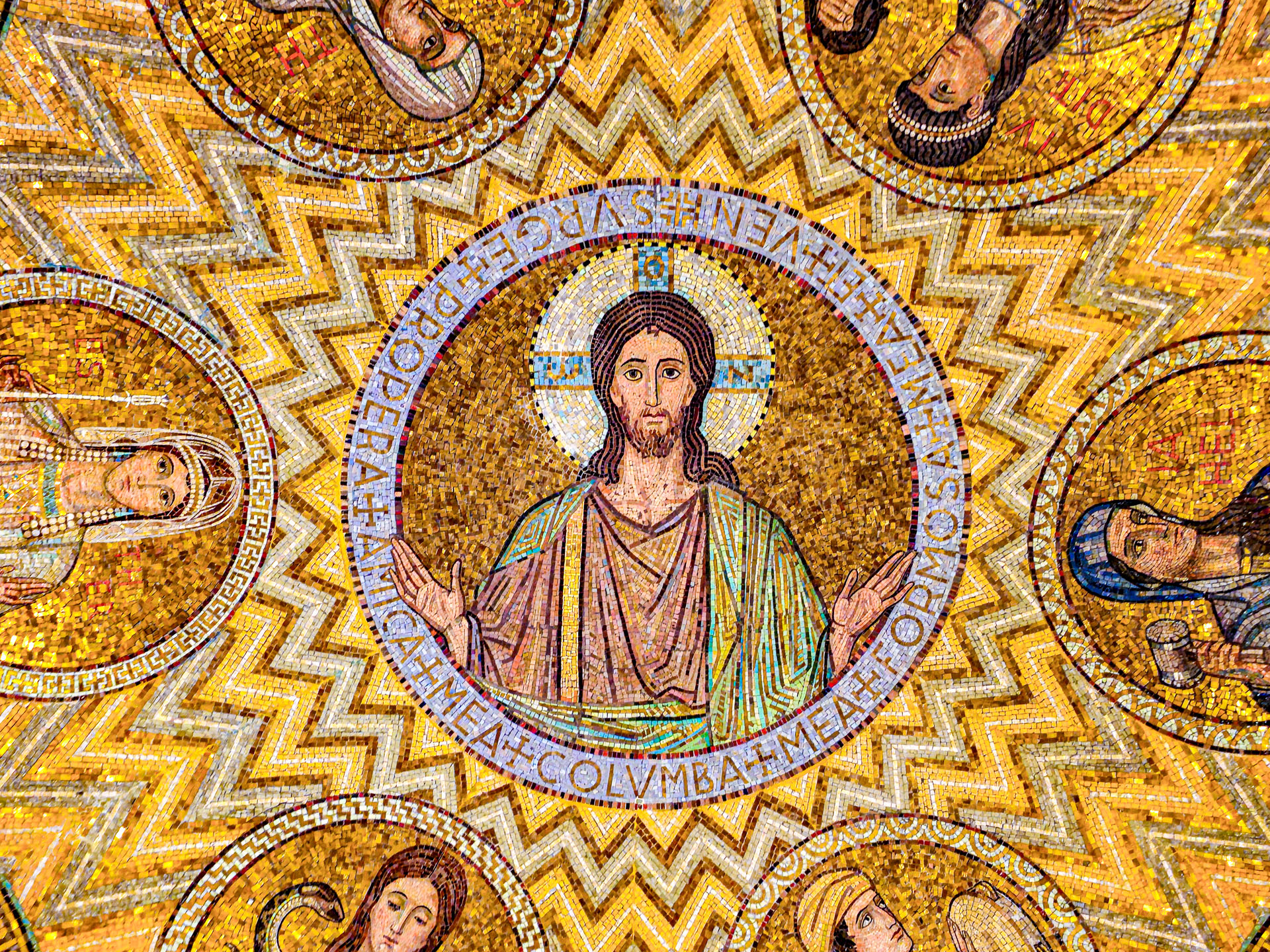
47 Kuppelmosaik Krypta 02 Basilius
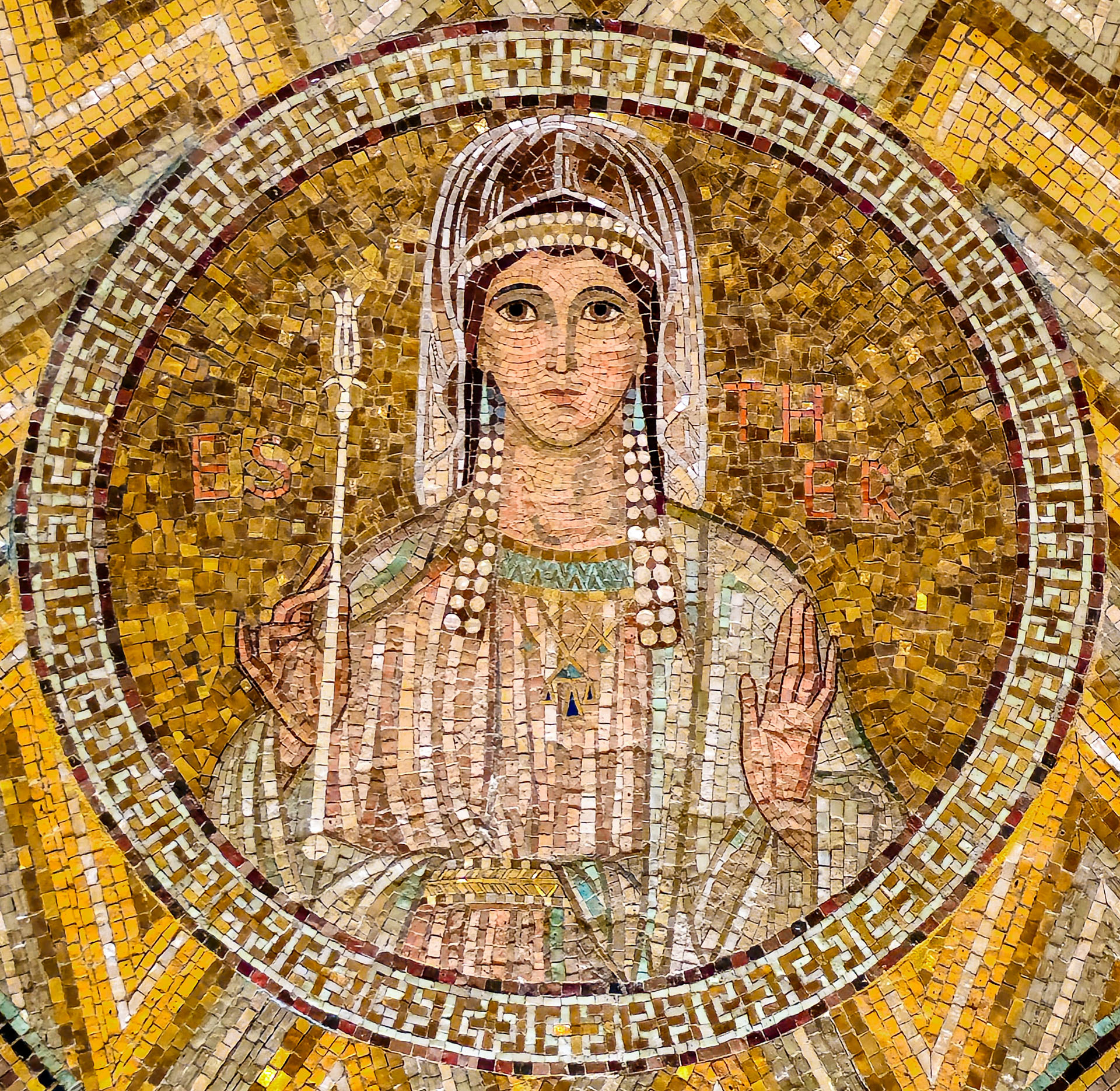
48 Esther Basilius
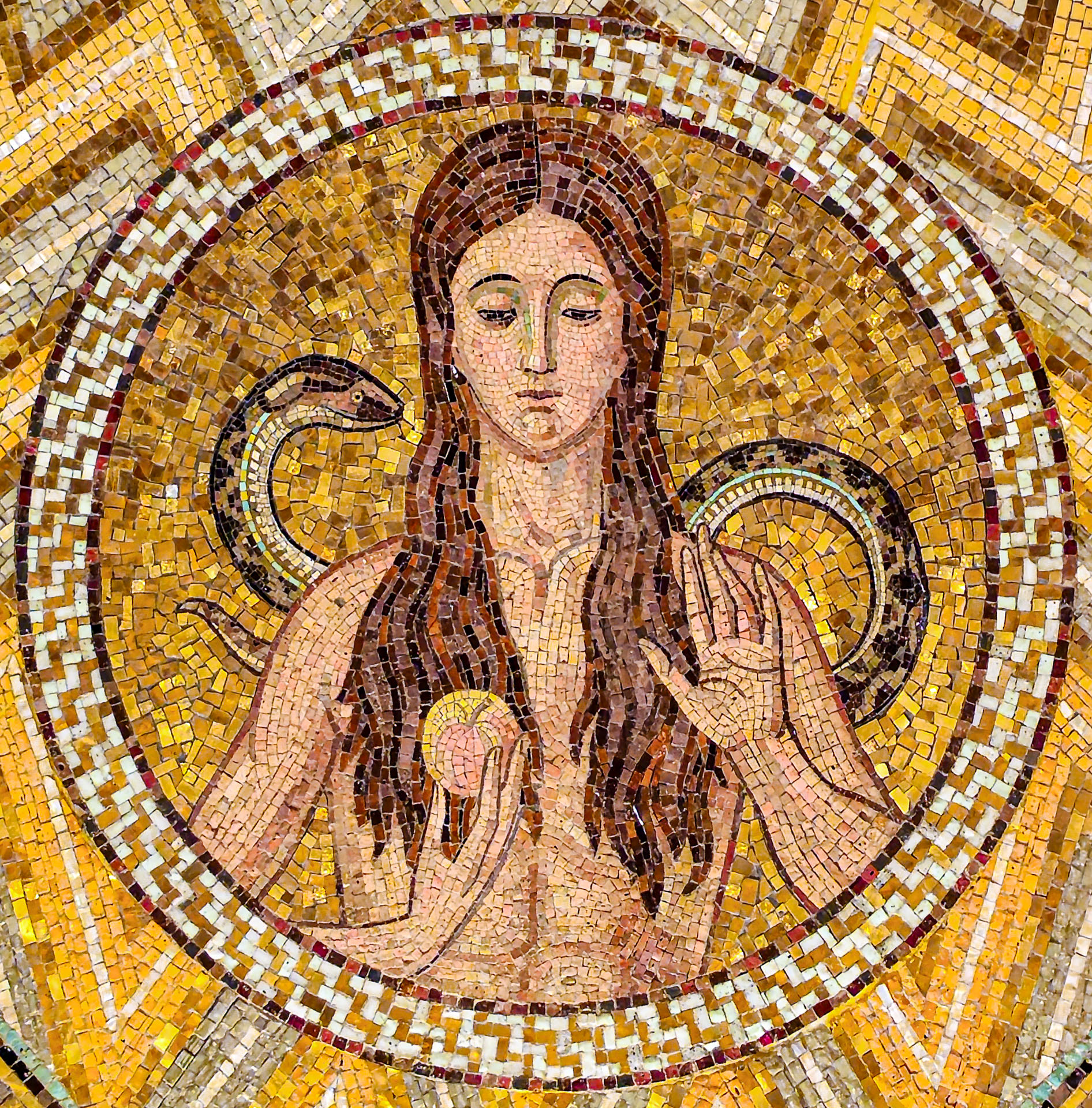
48 Eva Basilius
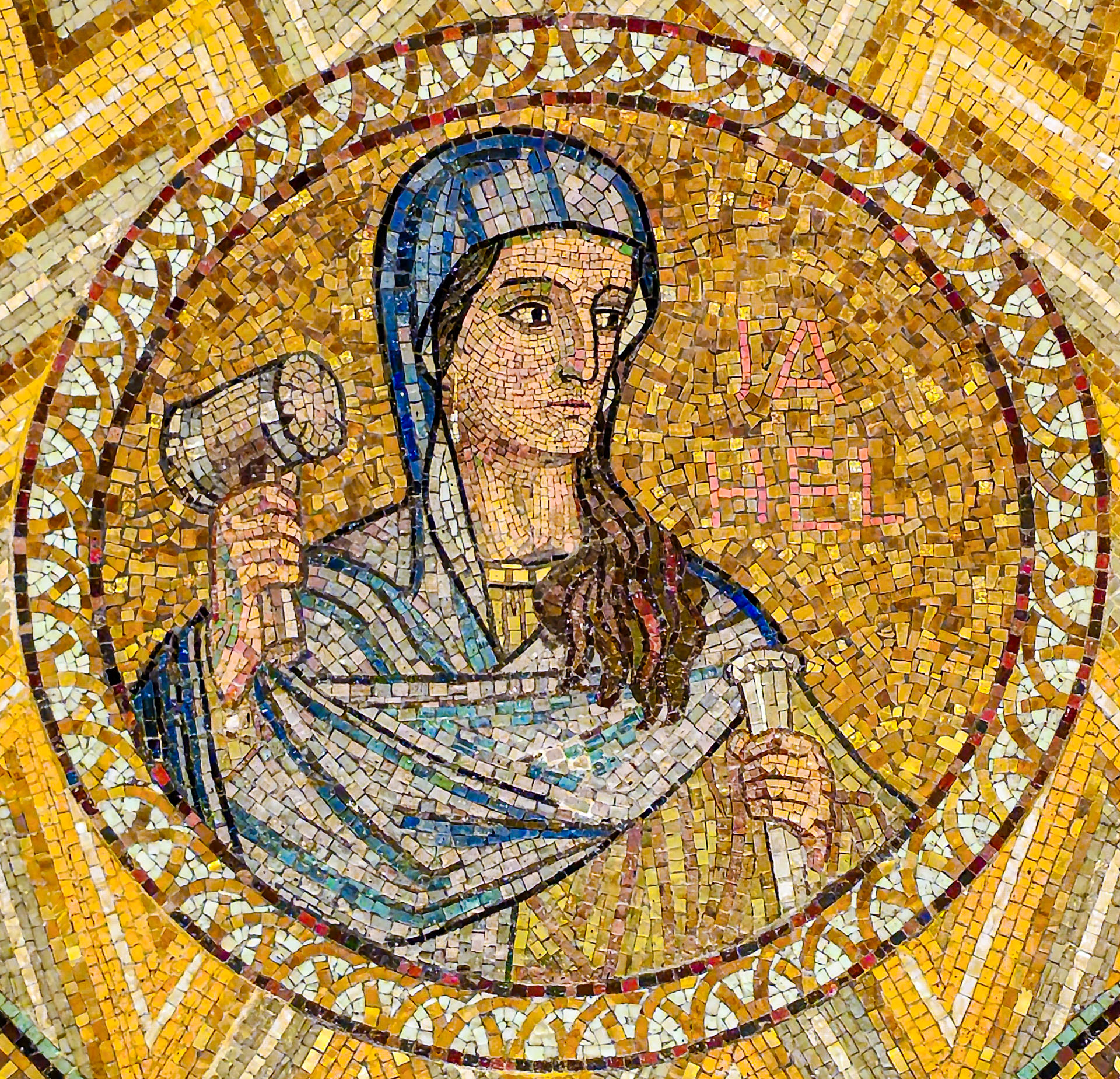
48 Jael Basilius
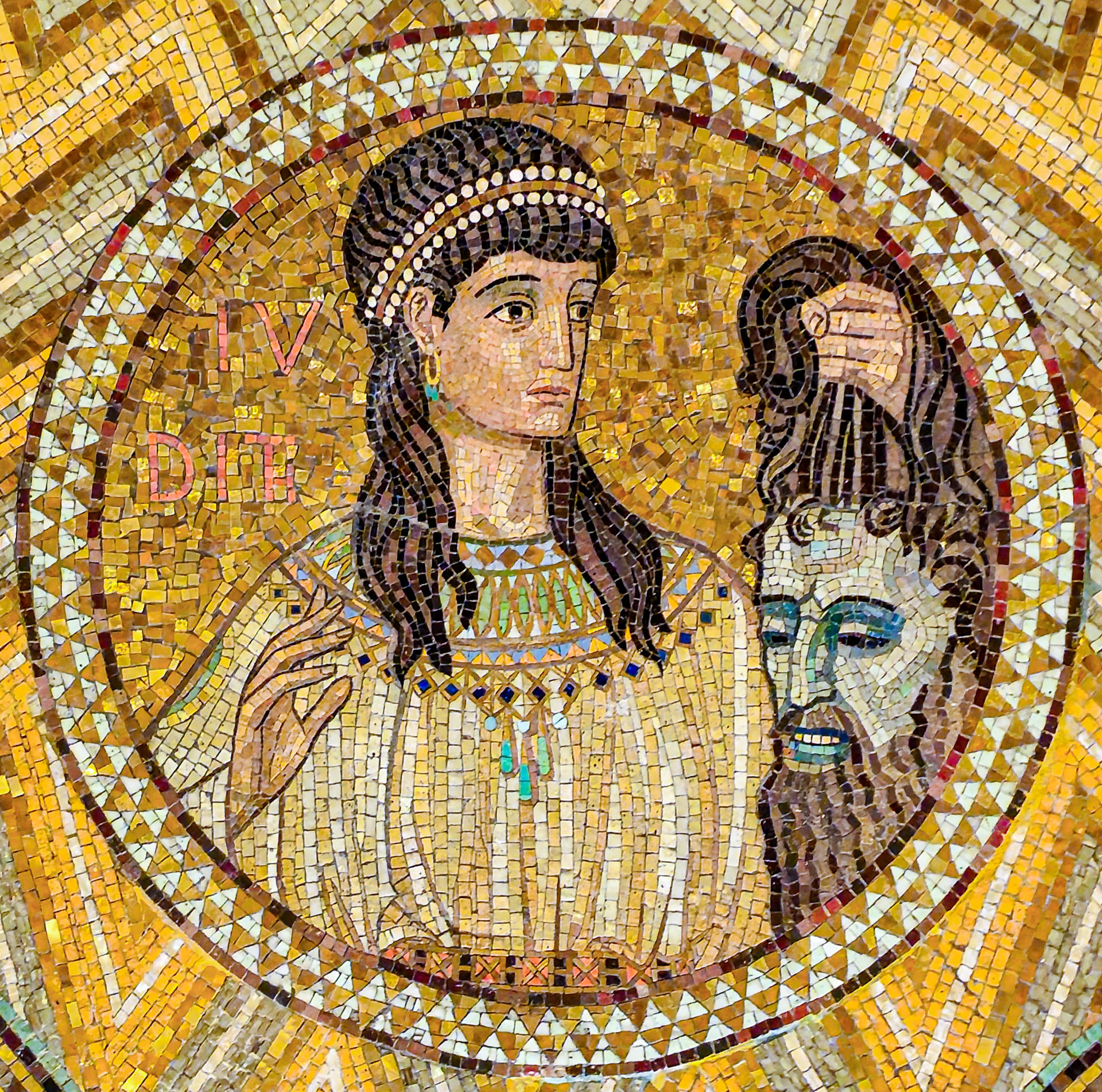
48 Judit Basilius
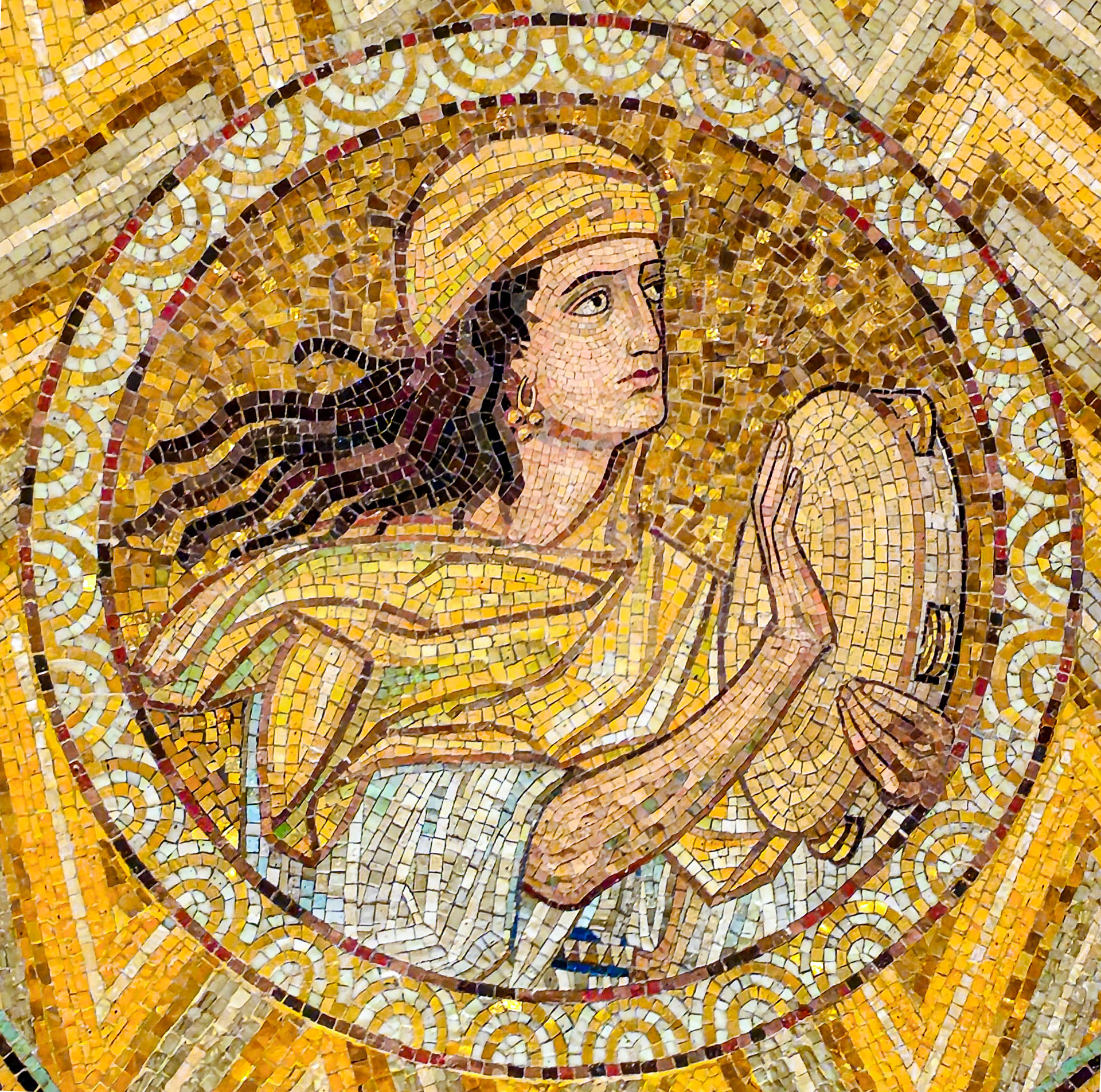
48 Mirjam Basilius
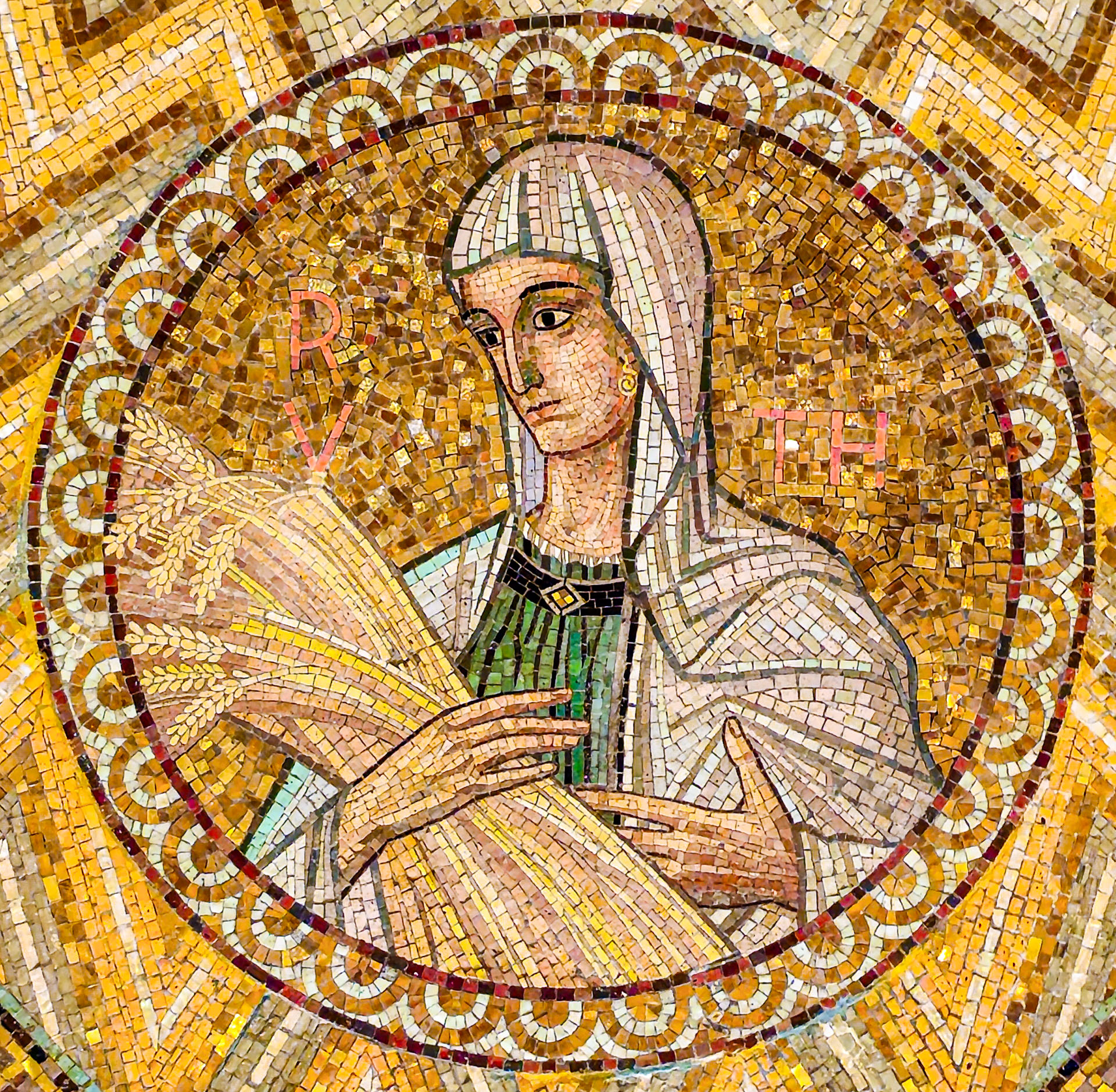
48 Ruth Basilius
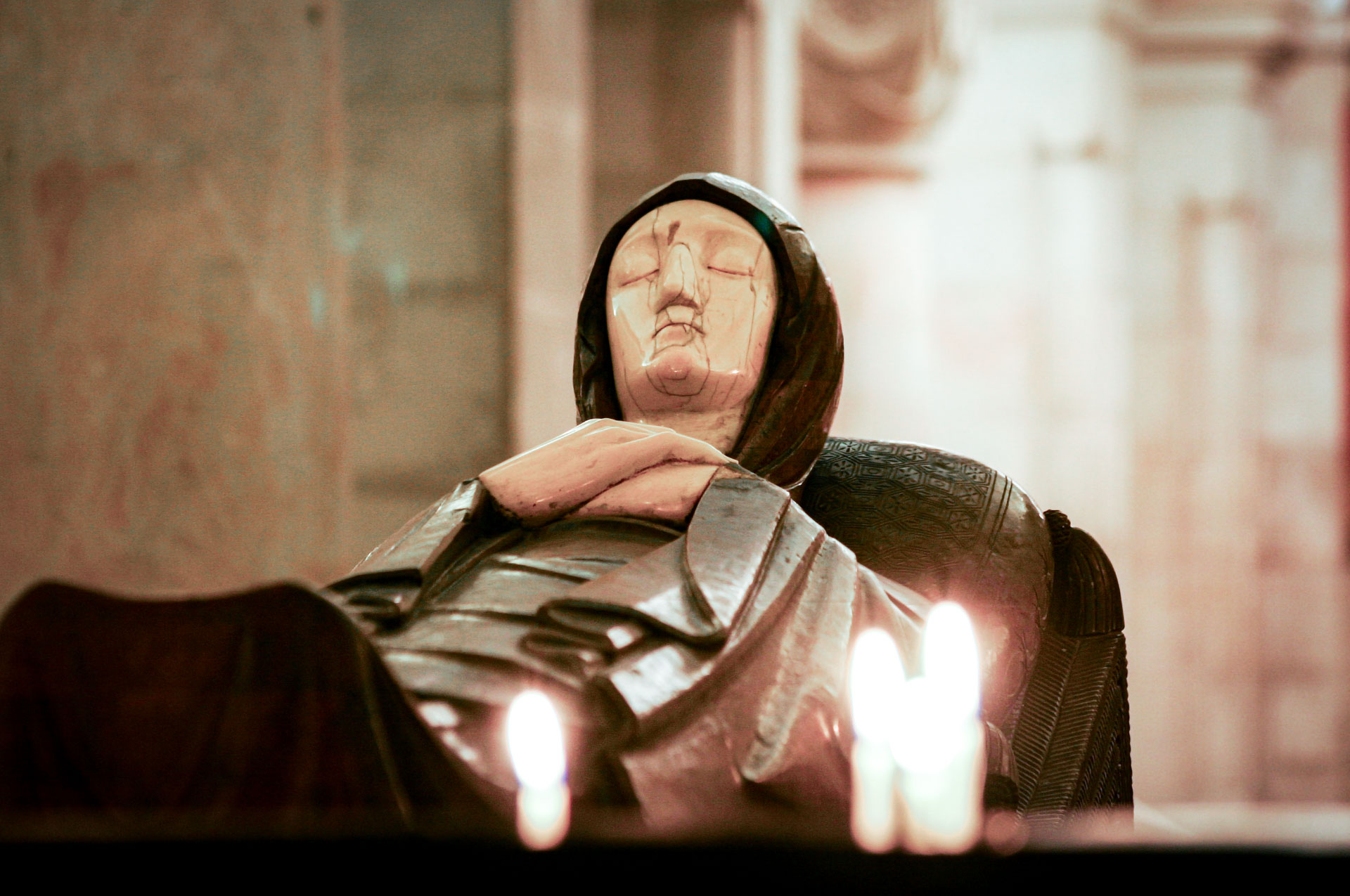
49 Marienfigur Der Krypta 02 Archiv Dormitio
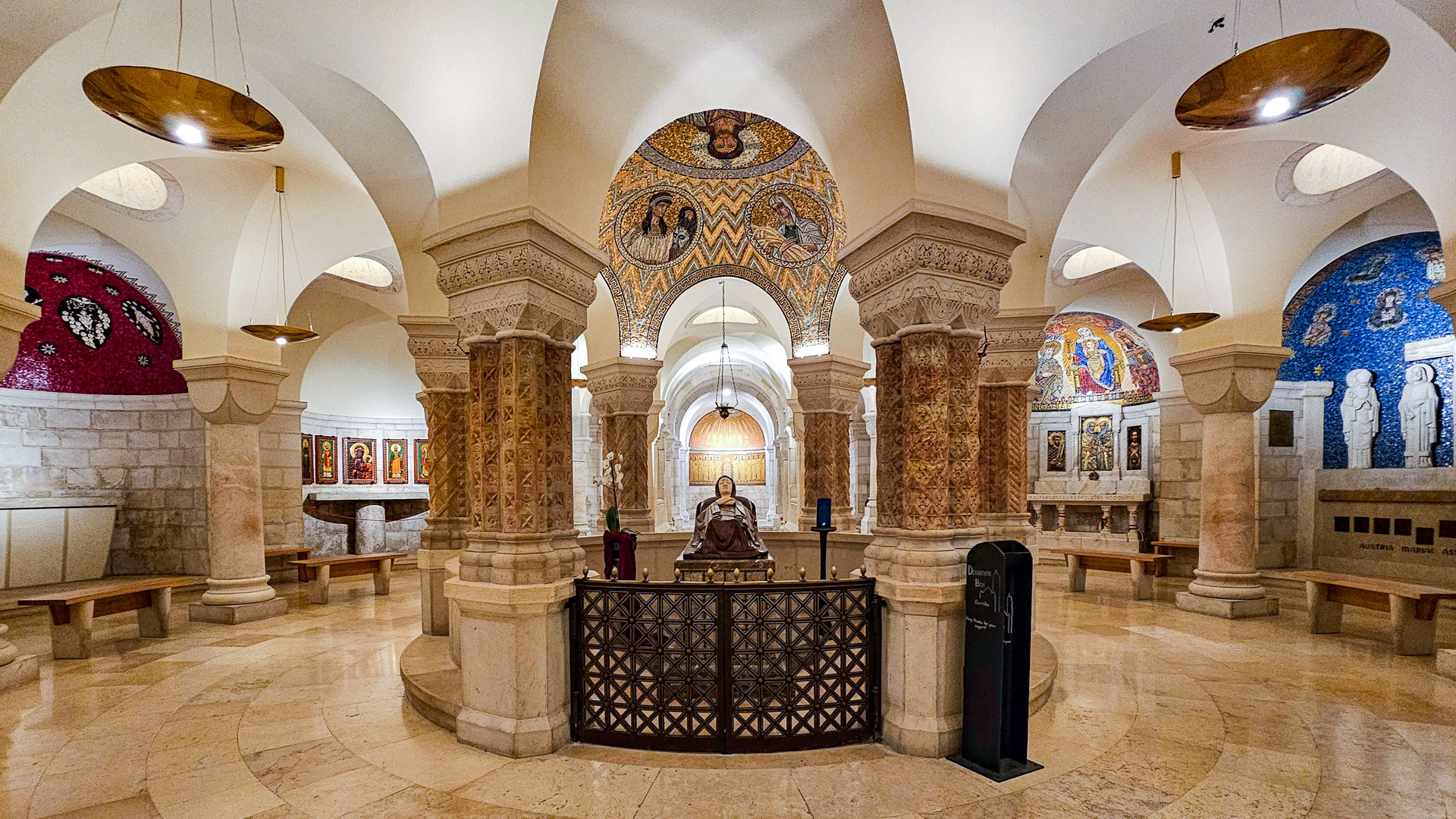
NEU Krypta 01 Basilius
10 noviembre 2026
Editor’s Note: In preparing this feature, we reached out to both Maria Laach Abbey and the Abbey of the Dormition. Maria Laach generously shared a moving necrology of Br Radbod from their archives, while Dormition provided photographs of his work. In our artists’ posts, we aim to focus on how monastic formation shapes an artist’s life, craft and community, rather than simply recounting a timeline. Because the necrology captures this synthesis so well, we have woven two excerpts directly into our story. The complete necrology is available for download below in both English and German.
Brother Radbod Commandeur, OSB (1890–1955), a monk of Maria Laach Abbey, left an indelible mark on liturgical art across Europe and the Middle East. Entering the cloister already trained in metalwork, he found that his creative gifts flourished not in spite of monastic enclosure, but because of it. Far from restricting his vision, the discipline of the Rule, the support of his abbots, and the opportunities found in his community broadened his horizons. Benedictine monastic formation shaped his relationship with his confreres and infused his craft with lasting resonance.
Born Theodor Commandeur in Hoorn in the Netherlands, he moved to Düsseldorf in 1906, working as a silk dyer and tinsmith while attending evening art classes. In November 1911, he entered Maria Laach Abbey and received the monastic habit the following year. Although compulsory service obligations in the Netherlands during the First World War prolonged his novitiate — leading to a brief period of monastic refuge at the Dutch abbey of Oosterhout — he returned to Maria Laach to make his temporary profession in 1918 and his perpetual vows on the Epiphany in 1922. Initially assigned to domestic duties in the kitchen and sacristy, his mechanical aptitude and aesthetic sensitivity soon caught the attention of Abbot Ildefons Herwegen, who in 1919 assigned him to the abbey’s art workshops under the guidance of Br Reinhold Teutenberg.
Under Abbot Ildefons’s patronage, Br Radbod was introduced to the richness of early Christian and Byzantine art, undertaking foundational study tours to Venice, Ravenna and Rome alongside Br Notker in 1925 and 1927. These encounters decisively shaped his artistic idiom, enabling him to assimilate ancient forms through a disciplined, personal sense of design. Working in the Maria Laach workshops, he expanded his craft from sculpture into monumental mosaic compositions, repoussé metalwork and goldsmithing. His output during this period included cemetery monuments, choir screens and refectory murals for Maria Laach, the 1929 shrine of Saint Hildegard in Eibingen, an elaborate font for Saint Mary’s Church in Mülheim an der Ruhr and liturgical furnishings across the Rhineland. A chronological list of his works is found below.
His reputation brought international commissions, most notably the decoration of the Abbey of the Dormition on Mount Zion in Jerusalem — comprising the crypt mosaics and the revered figure of the sleeping Mother of God, fashioned in ivory, wood and fire-gilded silver — as well as the comprehensive post-war interior reordering of the Church of Sant’Anselmo on the Aventine in Rome between 1951 and 1953. Throughout these undertakings, Br Radbod worked in fraternity with his fellow monks, coordinating complex projects hand-in-hand with gifted craftsmen such as Br Tutilo Haas, Br Simeon and Br Eligius. The chronicle written by the community of Maria Laach following his death in December 1955 reflects on how this vocational journey unfolded:
Thus a rich life’s work was granted to our Br Radbod; his monastic vocation, which at first led him into narrowness and seclusion, became for him the gateway to unimagined breadth: Eduxit me in latitudinem (“He brought me forth into a broad place”), he could say with the words of the Psalm. It was the merit of the Most Reverend Father Abbot Ildefons to have recognized his gift for great artistic tasks and to have steered it onto the right path. Through him Br Radbod received the pointer to the formal language and wealth of content of late antique Christian art, and the possibility of making it his own. Abbot Ildefons gave or arranged for him the commissions, which on Br Radbod’s own side were met by an unusual versatility and a mind made for wide dimensions. Br Radbod had the courage to lay his hand to great things, both in conception and in execution. He held within himself, and built up there, an inner world that reached as much into depth as into breadth, and that was full of light and splendour and majesty. Its colour symbol was the triad he preferred of light green, pearl grey and delicate pink, and we also see its reflection in the materials he chose by preference: gold, ivory and coloured stone.
The necrology continues:
His monastic life was also genuine. To it he owed his deepest experiences and his broad development. There was never in him a doubt about his monastic vocation, nor any worldly ambition, nor a search for artistic freedom. Although his character and his pronounced spirituality did not actually allow him to become a man of community, he fitted into the life of the family with the greatest naturalness. He was deeply humble and in no way wanted a special position. Throughout his life he took part as one of the most zealous and faithful in the common exercises and labours of the brethren and was ready for any service that need required. He himself, however, called on the help of others as seldom as possible. Only in the artistic field did he make an exception in this respect, and this too appears to us again as a sign of his selflessness: very often, namely, he had parts of his combined designs carried out by skilled brethren, because he did not trust himself to have the necessary skill. And so there came to be fraternal, hand-in-hand work, true communal works under his direction. For his own person, however, he was, until his illness, entirely undemanding, and this was precisely the hardest sacrifice for him in his months of suffering: to be dependent on the assistance of his brethren for every movement.
For superiors and monastic communities across the Confederation, Br Radbod’s life offers an inspiring witness to the transformative power of Benedictine formation. His career demonstrated that authentic monastic discipline does not stifle creative individuality; rather, it purifies talent in humility, roots it within a living liturgical tradition and directs it toward the shared life of the community. In his fidelity to common prayer, his unpretentious collaboration with his brethren and his sublime spatial designs, Br Radbod bore witness to how a life enclosed in obedience can unfold into the broad dimensions of sacred beauty.
Formed in the Cloister, Called into Breadth: The Legacy of Br Radbod Commandeur OSB

Navegando por la Inteligencia Artificial: Jornada de Formación de Otoño 2026
En busca de Dios, de Jerusalén a las calles del mundo
Archiabad Cirill Hortobágyi OSB Confirmado para un Segundo Mandato en Pannonhalma
BENET 2026: Educadores Benedictinos de Cinco Continentes se Reúnen en la Abadía de Melk
Elecciones, nombramientos y acontecimientos | Octubre-noviembre de 2026