
Notes from the Aventine | November–December
Abbot Primate Jeremias reflects on the mission of Catholics in a world undergoing dramatic change and announces several future projects. He also includes a promotional section on Sant’Anselmo and an outlook on his upcoming travel plans.
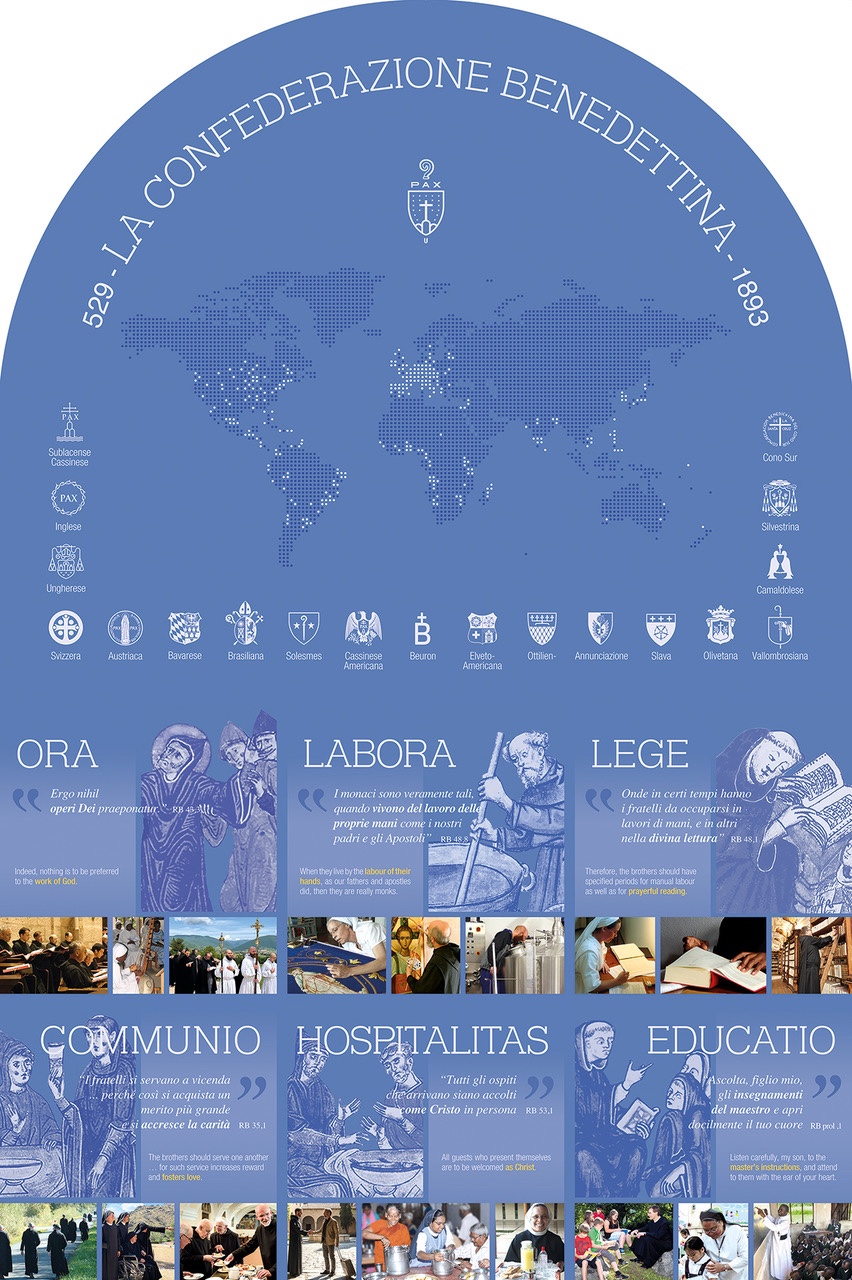
Photo of the large Benedictine Confederation panel in the cloister of Sant’Anselmo created by Claudio Lavallen OSB of Kremsmünster Abbey.
6 January 2026
I am writing these lines on the feast of the Epiphany. The Holy Year ended today, and at the same time a gathering of cardinals is beginning here in Rome, at which Pope Leo will presumably discuss some guiding ideas of his pontificate. We are quite eager to see what emerges.
The political events of recent days have once again made it clear that we are living at a turning point in history. What will the role of us Catholics be? Everywhere we are loyal citizens of our states, but we are also citizens of the Kingdom of Heaven. The feast of the Epiphany reminds us that the message of the Gospel applies equally to all people. At a time when universalism has almost become a dirty word, we hold fast to the conviction that with the Incarnation of God all people were meant, are meant. This is not a marginal issue, but a central content of our faith.
In the liturgy today we sing Tribus Miraculis—of the three mysteries. The Incarnation, the wedding at Cana and the baptism of Jesus are contemplated together. The Church Fathers explain how, at the baptism of Jesus in the Jordan, the whole world was sanctified. The baptismal water of Jesus mingled with the waters of the Caribbean, with the Chinese Sea and also with the rivers that flow through Russia and Ukraine. Christianity is not partisan; it is all-encompassing and applies to all.
What does this mean for us? Here at the Anselmianum there are currently residents of the college from 36 countries, and our monasteries are established in almost all countries of the world. Are we—can we be—agents of this message that all humanity is called to fraternity, and that all societies are to serve the common good, not just a small circle? Today this can sound almost subversive. But it is not a secret message: at Epiphany it became visible to all.
—
The papal visit on 11 November, which was discussed so extensively in the last issue of Nexus, has continued to resonate with us. The Secretary General of the university, Cardinali, put together a commemorative booklet that was completed in time for Christmas and brought much joy. Attentive eyes noticed that at one of the Christmas liturgies Pope Leo wore the mitre he had received as a gift after his visit with us. It must truly have pleased him—or at least his sacristan.
Some of the things I can write about today are more announcements than reports.
In November I was able to appoint Abbot Emeritus Jean-Pierre Longeat of Ligugé, the long-standing president of AIM, as my delegate for the Benedictine Oblates. Last autumn it became clear that the Oblates wish to continue cultivating and developing global cooperation and that the World Congresses of Oblates are also to be continued. I am grateful to Abbot Jean-Pierre for taking this on. Of course, he cannot do this alone. A support team is currently being formed, and there will be more to report on this soon.
The same phrase—“more soon”—also applies to the long-awaited new Catalogus. More than a year has now passed since the reference date of 1 January 2025. Data collection proved unexpectedly difficult, but we are now on the final stretch. A last revision is underway, and before long it will be possible to obtain the printed Schematismus. For reasons of data protection there will probably not be a complete electronic Schematismus, but the data will be made accessible in other ways, as a new Atlas OSB and with statistical material.
And one more announcement: preparations for the Benedictine Jubilee 529–2029 are in full swing. By March at the latest, the plans and the jubilee materials are to be published.
In recent days I have once again become aware of how many opportunities Sant’Anselmo offers. Alongside our in-house courses of study, residents of the college can take part in numerous specialised programmes here in Rome. Most of these programmes can be combined with other studies: archival studies in the Vatican Secret Archive, practical canon law for religious in the Dicastery for Institutes of Consecrated Life, and the course for beatifications and canonisations at the relevant dicastery. From this year onwards, Sant’Anselmo is also offering a specialised course in Gregorian chant for college residents, taught by both external and internal instructors. In addition, our library director offers a one-year internship in the local library, with external modules at the Vatican Library and the Italian National Library. Those who study at Sant’Anselmo are not formed only philosophically and theologically, monastically or liturgically. With the appropriate interest and commitment, they can return to their monasteries as broadly formed religious men.
Not everyone has a whole year at their disposal. This coming summer we will once again offer three English-language programmes: Leadership and the Rule of Saint Benedict, the Summer Studium for Oblates, and Monastic Aggiornamento, a short sabbatical-style programme focusing on faith, culture and the monastic tradition.
—
In the coming months several international Benedictine gatherings are planned in which I intend to take part. I will travel to the ISBF in Kappadu (India), to the workshop of the North American abbots in Mexico, to the meeting of BECOSA in South Africa and to the assembly of West African Benedictines in Senegal. In addition, short stays in Chevetogne and in the Holy Land are planned. It will therefore not be easy to find me in Rome, but I am almost always reachable by email.
Some may have noticed that in November, after a knee injury, I had to walk on crutches for a time. Thanks to physiotherapy and a restful holiday in December, everything is now back in order. The crutch has been put away and I am mobile and ready to travel again. At 61 years of age, I no longer belong to the young—especially not in this house. But as long as Brother Body continues to cooperate, I am in good spirits and at your service to the best of my ability.
With warm greetings from the Aventine,
Yours,
Jeremias Schröder OSB
Abbot Primate
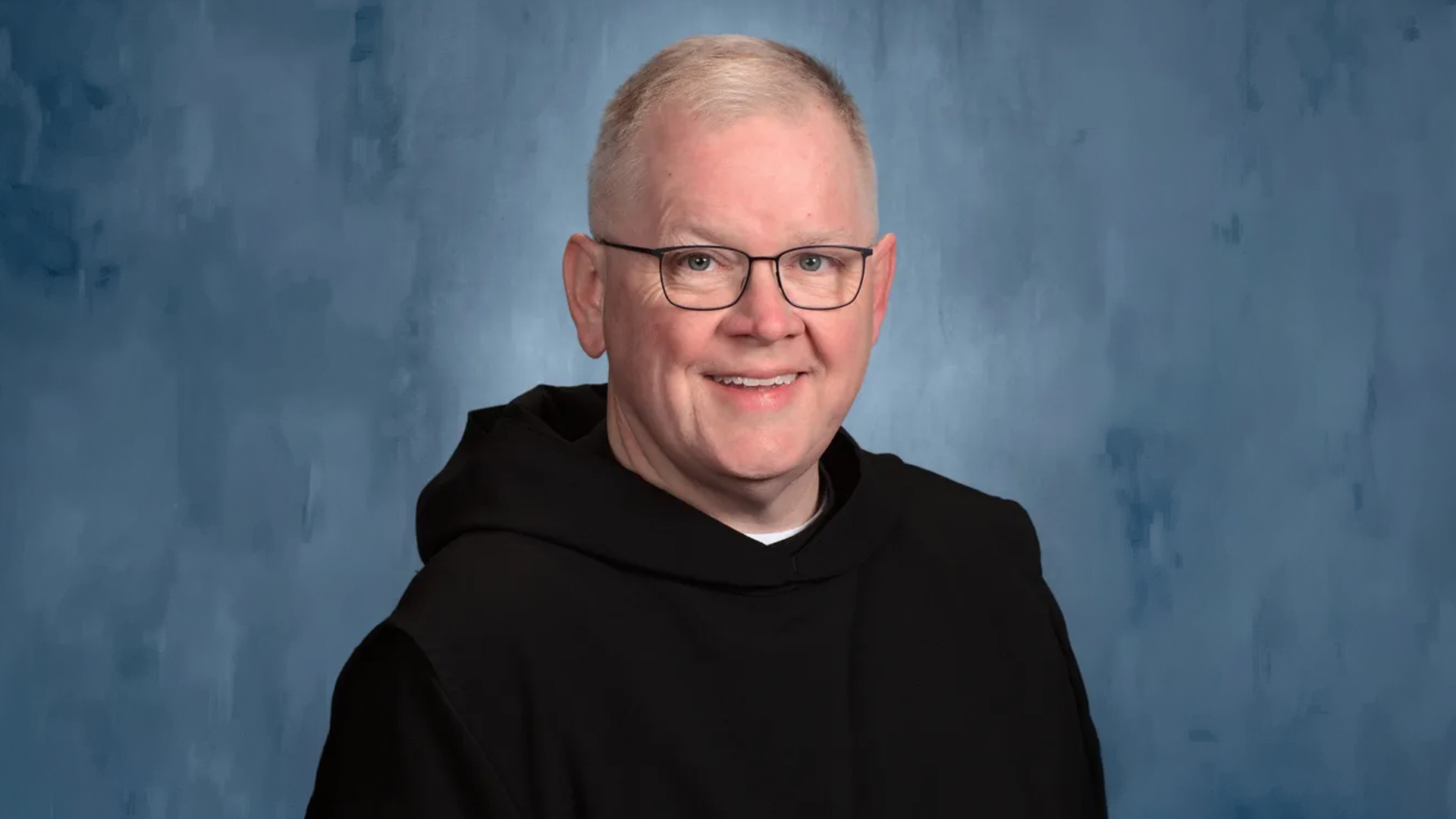
Monk of Saint Meinrad Archabbey appointed Bishop of Belleville
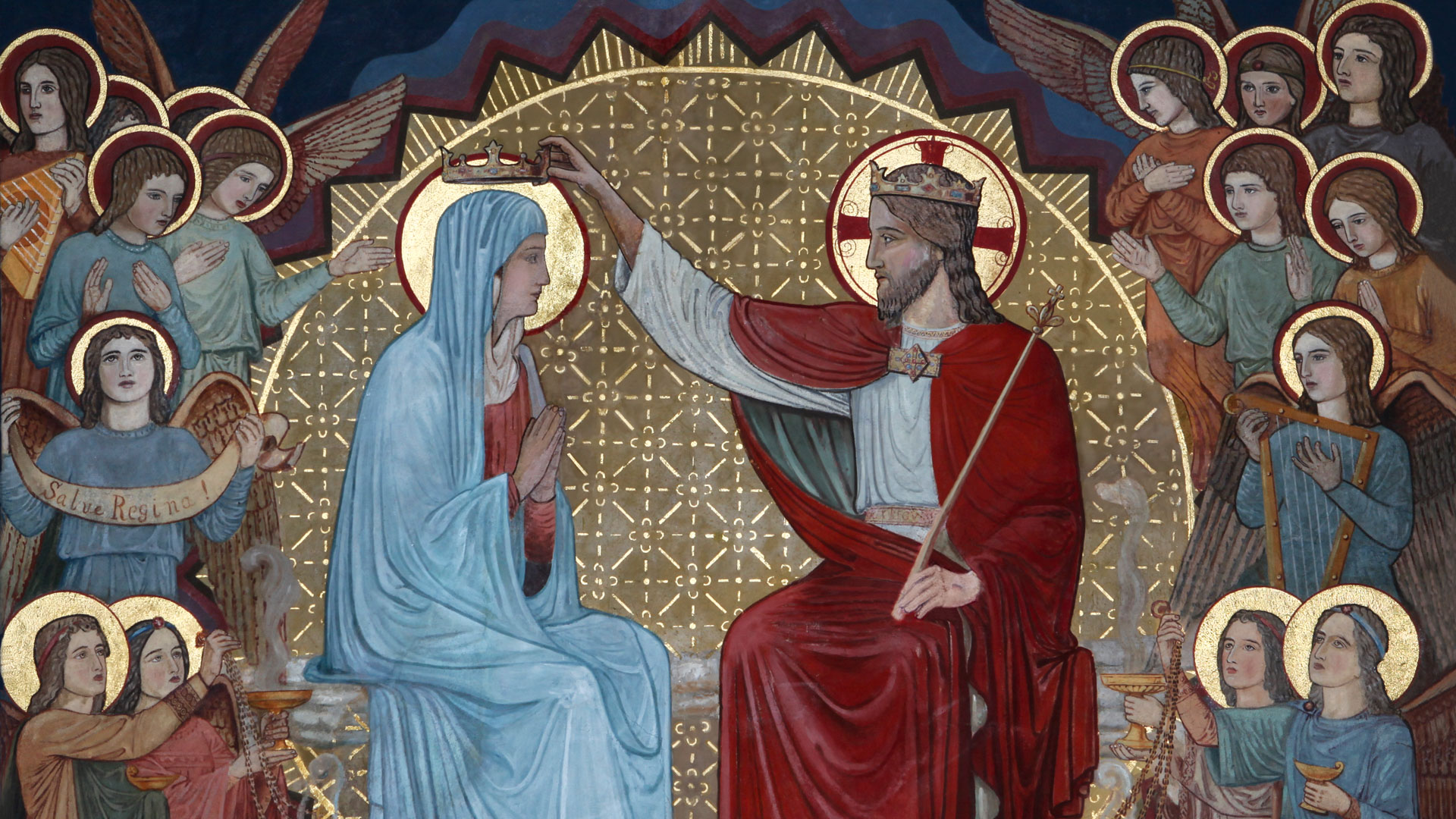
Reflections on Beuronese Art in the Conception Abbey Basilica
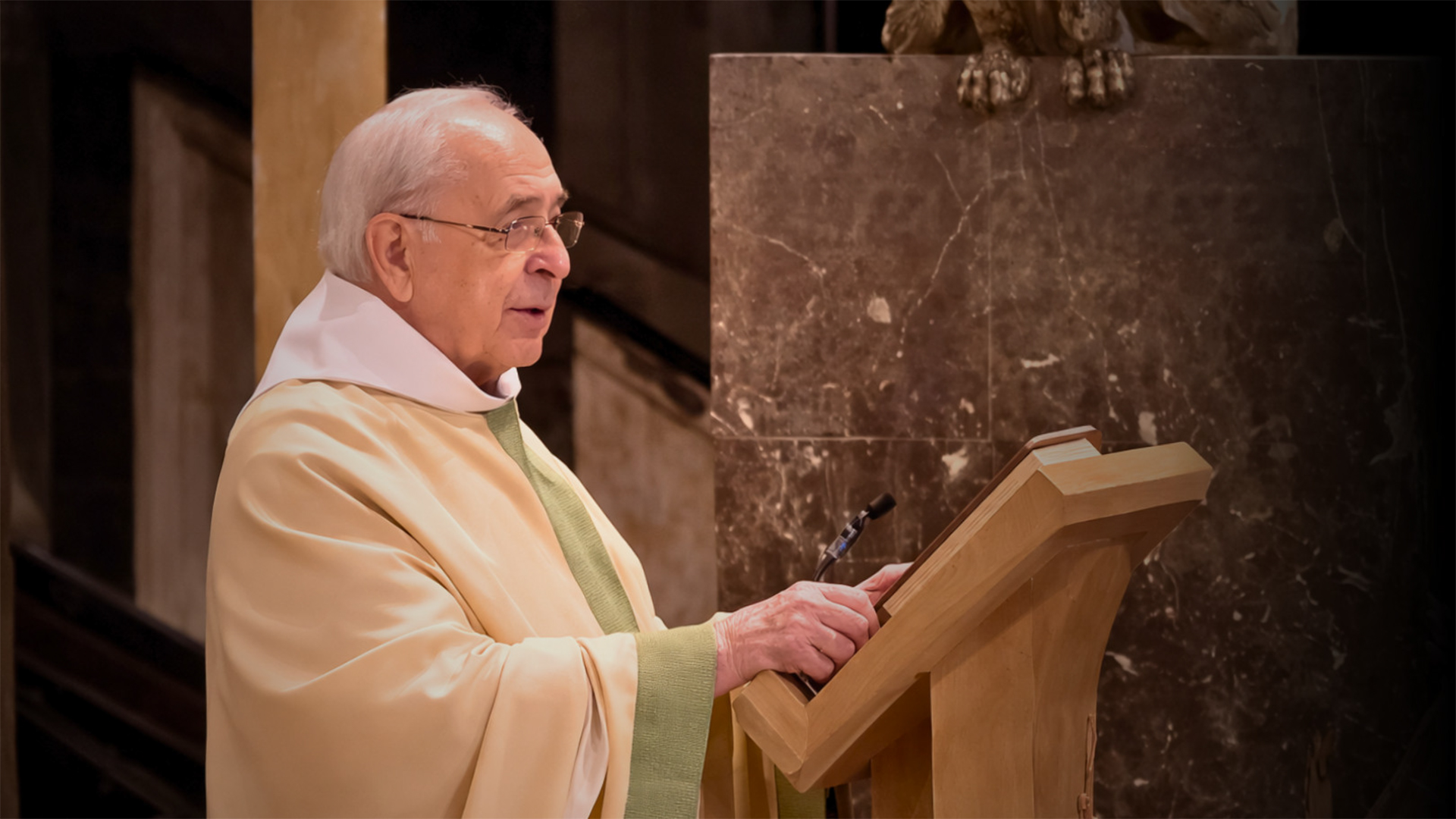
In Memoriam: Father Joan M. Recasens i Puig OSB
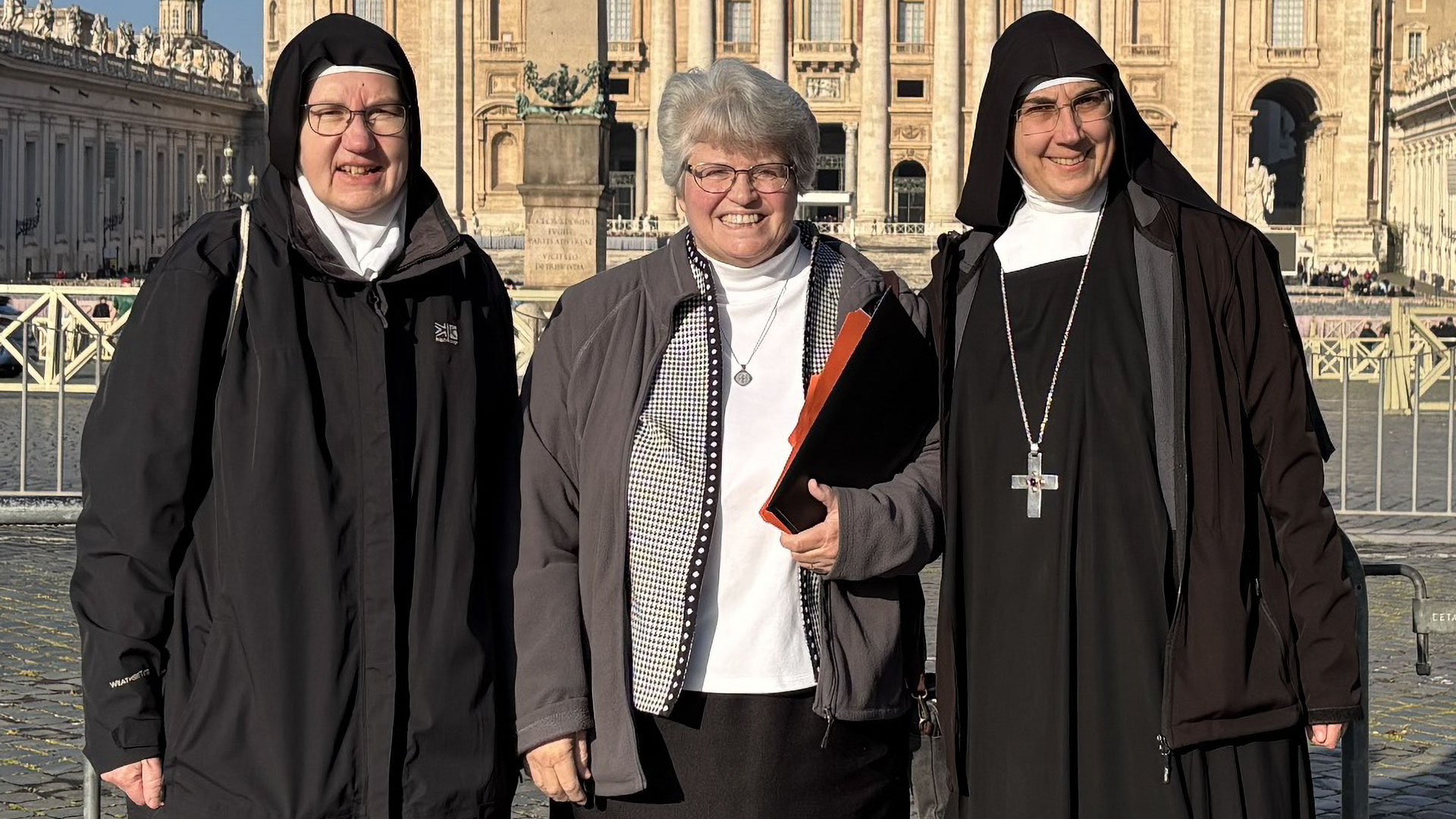
Planning the Future of CIB: Statutes, Symposia, and the Joy of Shared Life
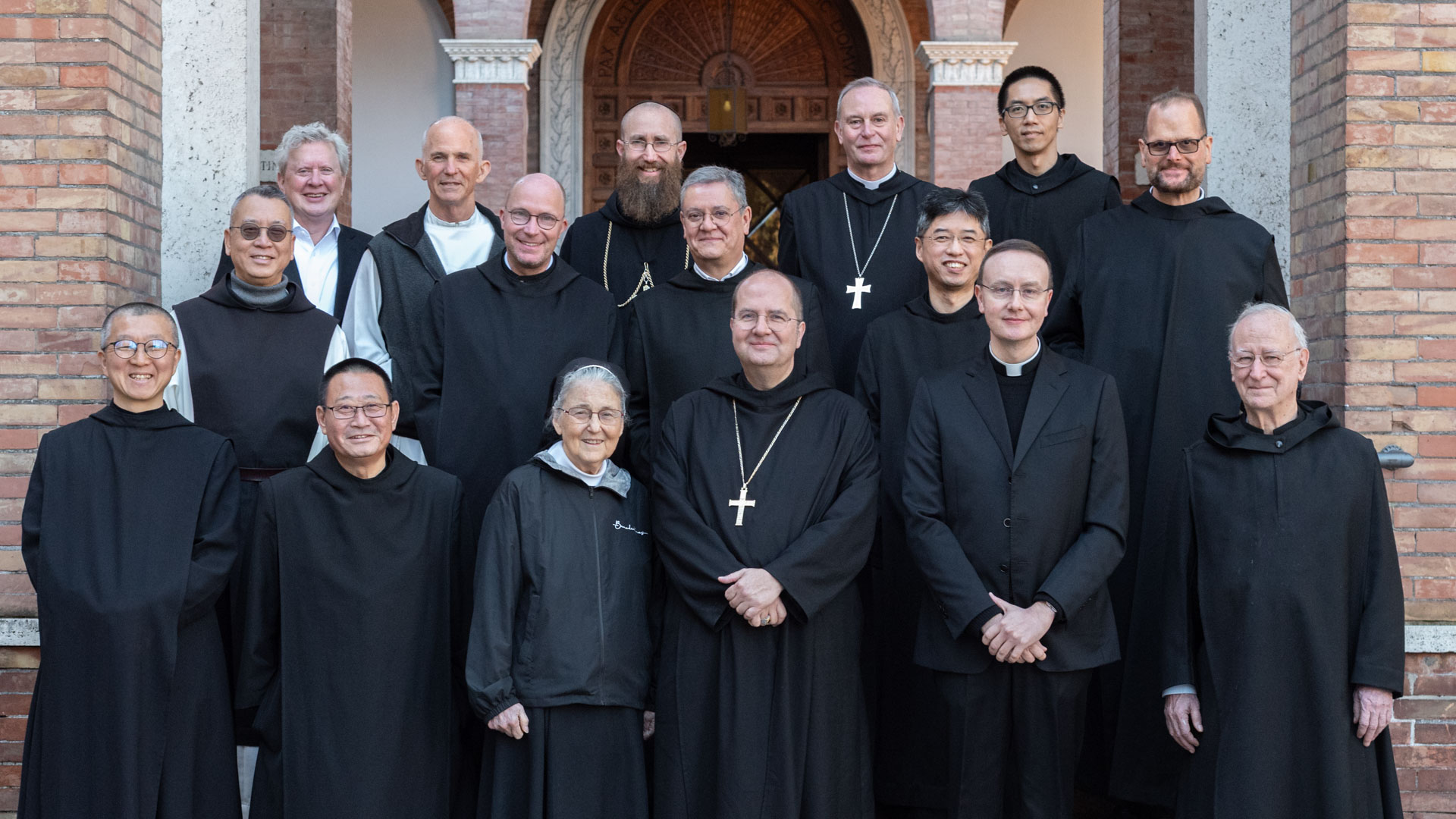
BCC Meeting Addresses Complex Realities for the Church in China, Seeks Paths of Unity
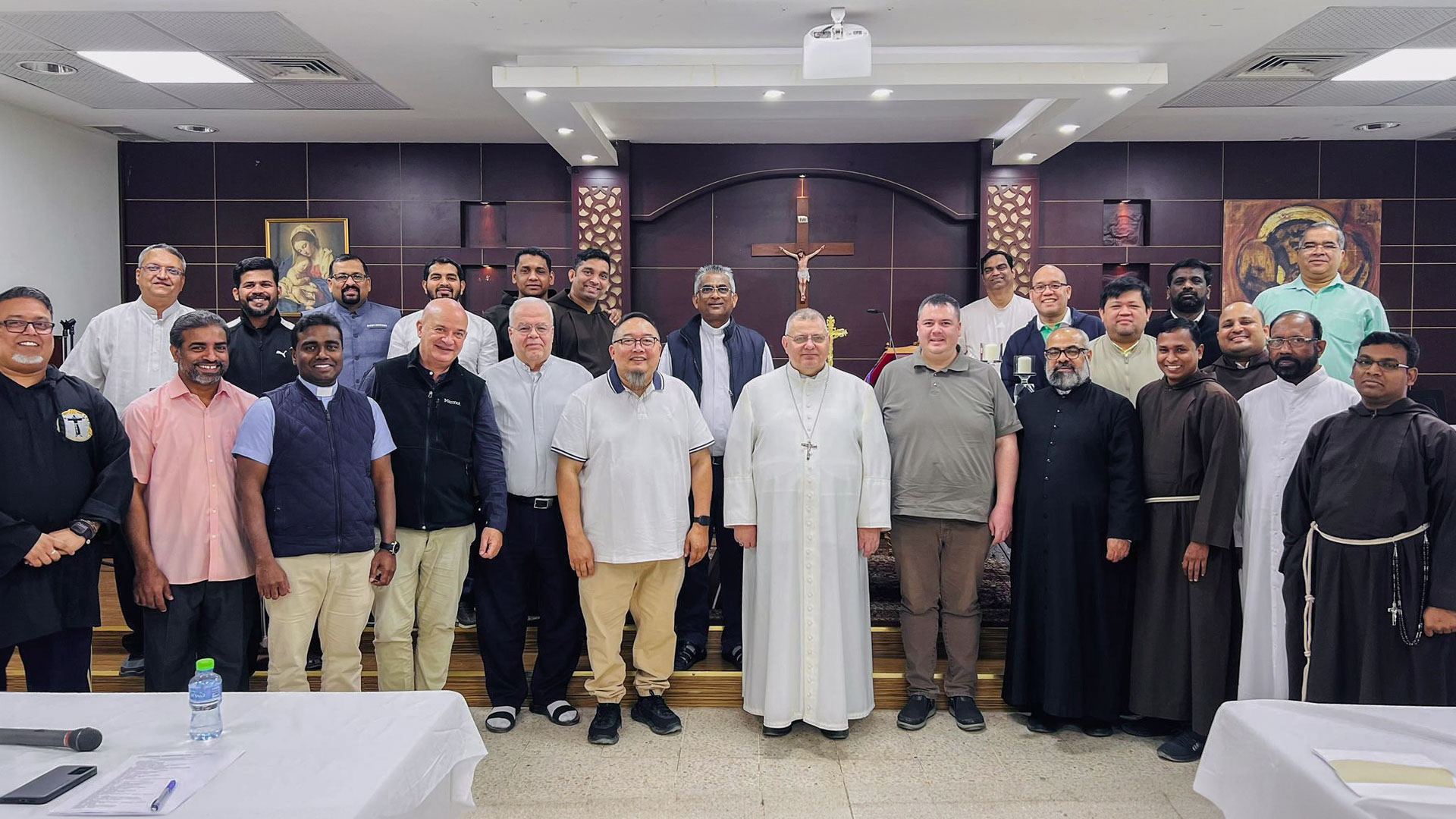
Liturgy Marked by Diversity — and War : A Report from Kuwait