
Unity at the Frontier
Dom Edmund Power OSB writes of an ecumenical vocation at the heart of Sant’Anselmo, shaped by Benedictine hospitality and openness to Christian traditions, and renewed by the call of Leo XIV to live unity beyond comfort zones, in the spirit of ut unum sint.
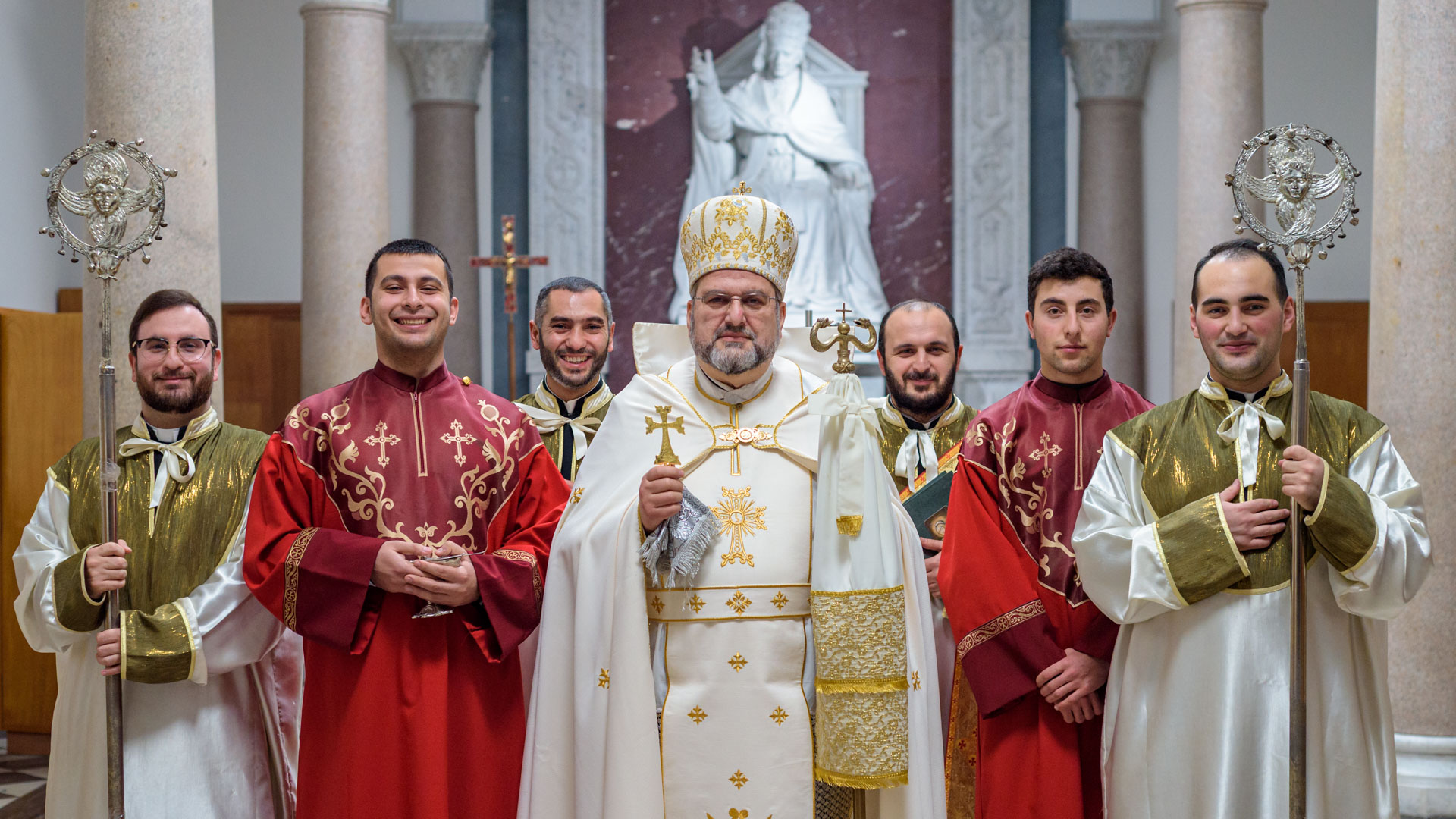
Photo from the Armenian Liturgical Mass held at Sant'Anselmo in 2023. At that time, two monks of the Mekhitarist monastery in Venice-Lido resided at the Collegio.
4 January 2026
Dom Edmund Power OSB
Archivist of the Benedictine Confederation
Abbot Emeritus of the Abbey of Saint Paul Outside the Walls
It was a fortunate coincidence that just 19 days before the historic visit of Pope Leo XIV to Sant’Anselmo, the Supreme Governor of the Church of England, King Charles III of the United Kingdom, arrived in Rome on a state visit to the Holy See and was received at the Abbey of Saint Paul Outside the Walls as a “Confrater Regalis” of the local Benedictine community. The motto of that visit was Ut Unum Sint — that they may all be one (Jn 17:21) — reminding us that the desire and the search for Christian unity are rooted in the very words of the Lord himself. The Abbey of Saint Paul, formally entrusted by the Roman Pontiffs with the task of promoting the cause of Christian unity, was the original home of Sant’Anselmo, and it is therefore fitting that this ecumenical vocation should form part of the mission of the Primatial Abbey itself.
Leo XIII certainly nourished great hopes for the newly founded Sant’Anselmo, because he was convinced that "your ancient Order could be of great help to the good of the whole People of God at a time rich in challenges" (words from the homily of Leo XIV on 11 November). Part of this service to "the whole People of God was to provide a place of growth, peace, hospitality and unity" (again Leo XIV). We should not limit "unity" simply to good relations within Benedictine communities, but rather follow the call of Leo XIV, according to whom monasticism has been a "frontier reality", a reaching towards what lies beyond the boundaries of the comfort zone.
In practice, Sant’Anselmo — and the Benedictines in general — have always been open to a wider world. This is hardly surprising, given that Benedict is a saint of the universal Church who lived before the great schism, and that his Rule has been and continues to be followed by Anglican and Lutheran monastic communities, as well as by Catholic ones. When I was abbot of Saint Paul’s, I had the privilege of being asked to write an introduction to the first translation of the Rule into Finnish, presenting its spirituality to a culture shaped by Lutheranism.
Over the years, Sant’Anselmo has welcomed members of all Christian traditions, not only as students of the Ateneo, but also as members of the Collegio community. The hospitality spoken of by Leo XIV has been expressed and expected in many ways. I recall, for example, an occasion when the then Archbishop of Canterbury, Rowan Williams, spoke movingly in the Primatial Abbey of Sant’Anselmo about the spirituality of Saint Benedict and his appreciation of it. On 6 December this year, the oblates of the three abbeys of Sant’Anselmo, Saint Paul and Saint Cecilia will welcome speakers from Orthodox and Protestant traditions, who will speak about their understanding of the Nicene Creed.
These are just a few simple examples. At a deeper level, the Benedictine principle of welcoming all who come to the monastery as if they were Christ (RB 53:1) carries a series of implications: it blocks the comfortable tendency towards exclusivity; it requires attentiveness not only on a material level, but also to the guest’s convictions and aspirations. Sant’Anselmo could certainly contribute to ecumenical dialogue in the field of theology. It could well have monks directly involved in the Holy See’s formal commitment to Christian unity. But perhaps its most important offering is the openness and welcome that make the guest feel at home, regardless of tradition: the divine goodness made manifest in the everyday and the concrete.
An ecumenical mission for Sant’Anselmo and for the Benedictine world. A monastic contribution to the Lord’s desire: ut unum sint.

A Sign of Hope: San José de las Lajas Amidst Cuba’s Total Energy Crisis
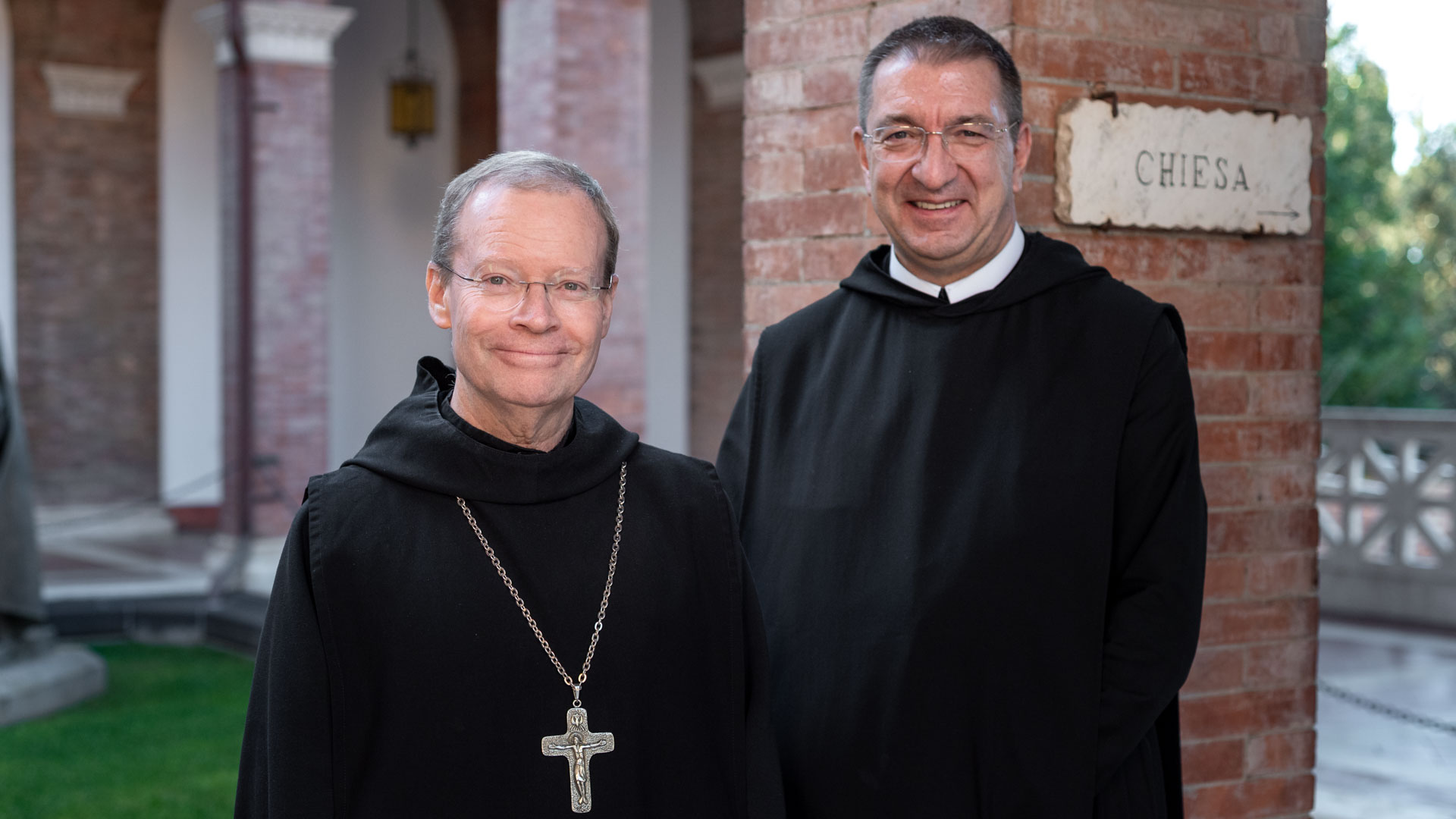
Events, Elections and Appointments | January-February 2026
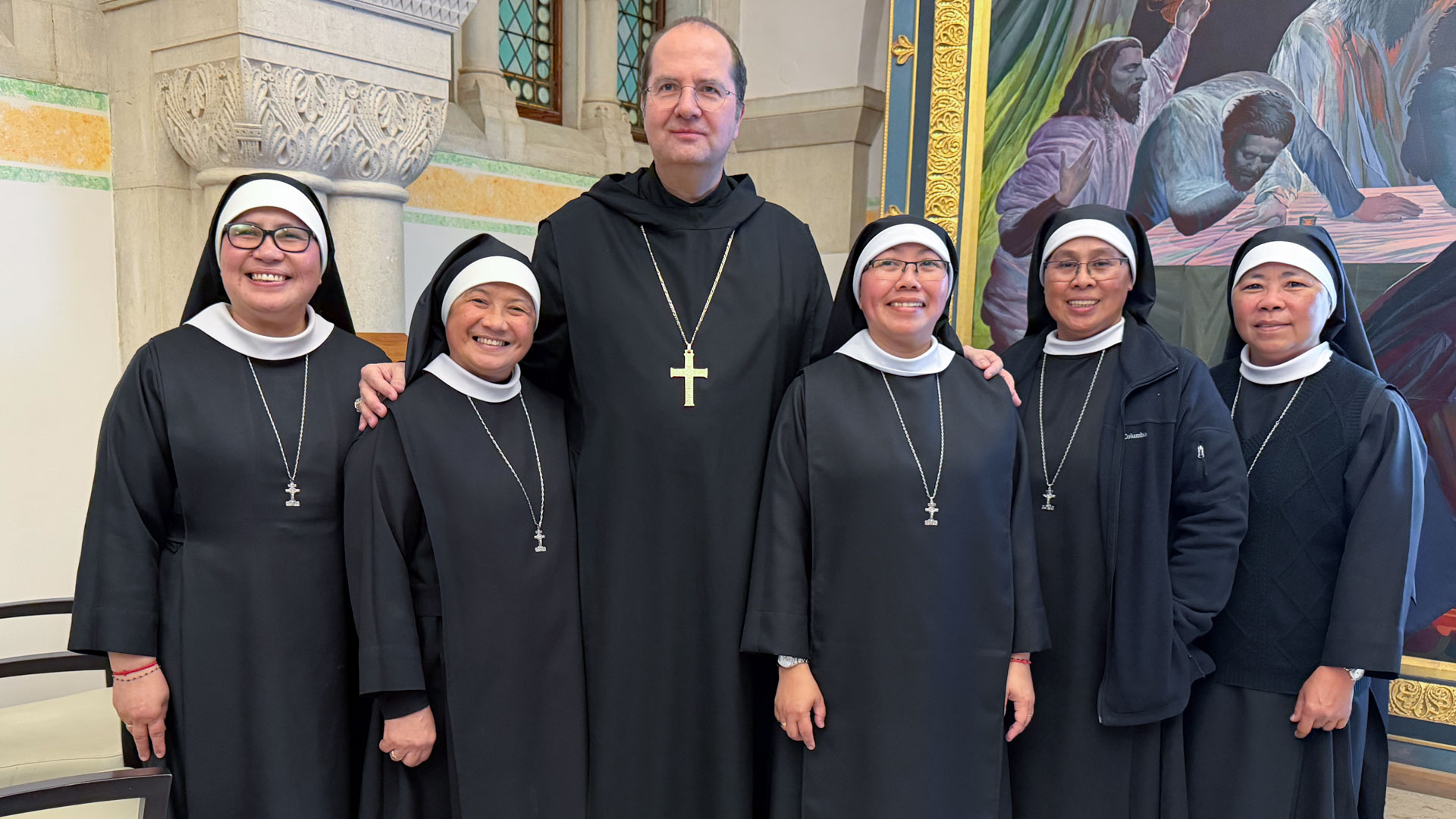
Notes from the Aventine | January-February 2026
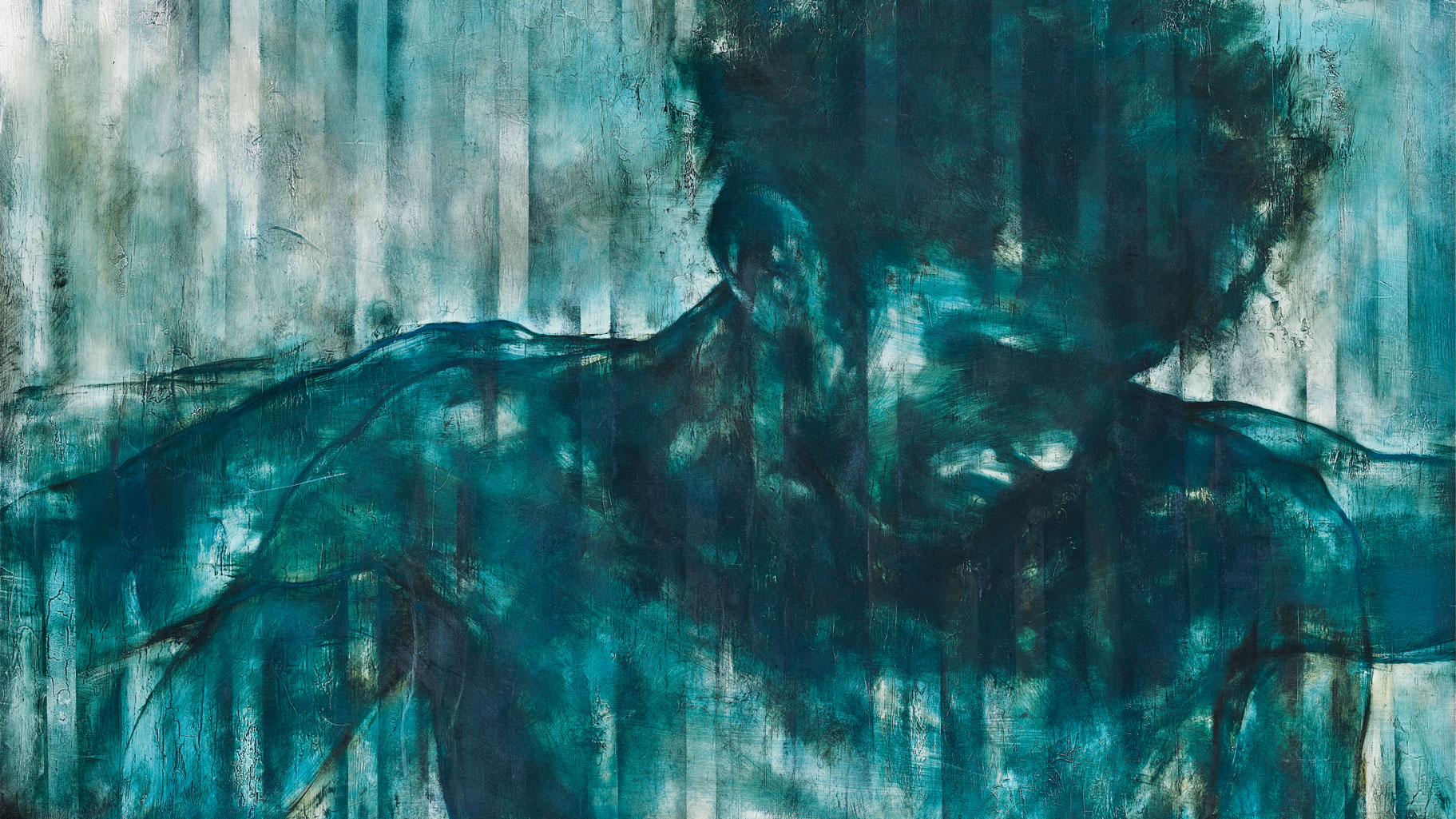
The Interruption of Beauty: The Liturgical Art of Br. Emmaus O’Herlihy OSB
Letter from the Abbot Primate to the Benedictine Oblates
Abbots Workshop 2026: Wellness and 2029 Jubilee Plans