
Dom Georges Saget OSB: The Artist Behind Keur Moussa’s Abbey Frescoes
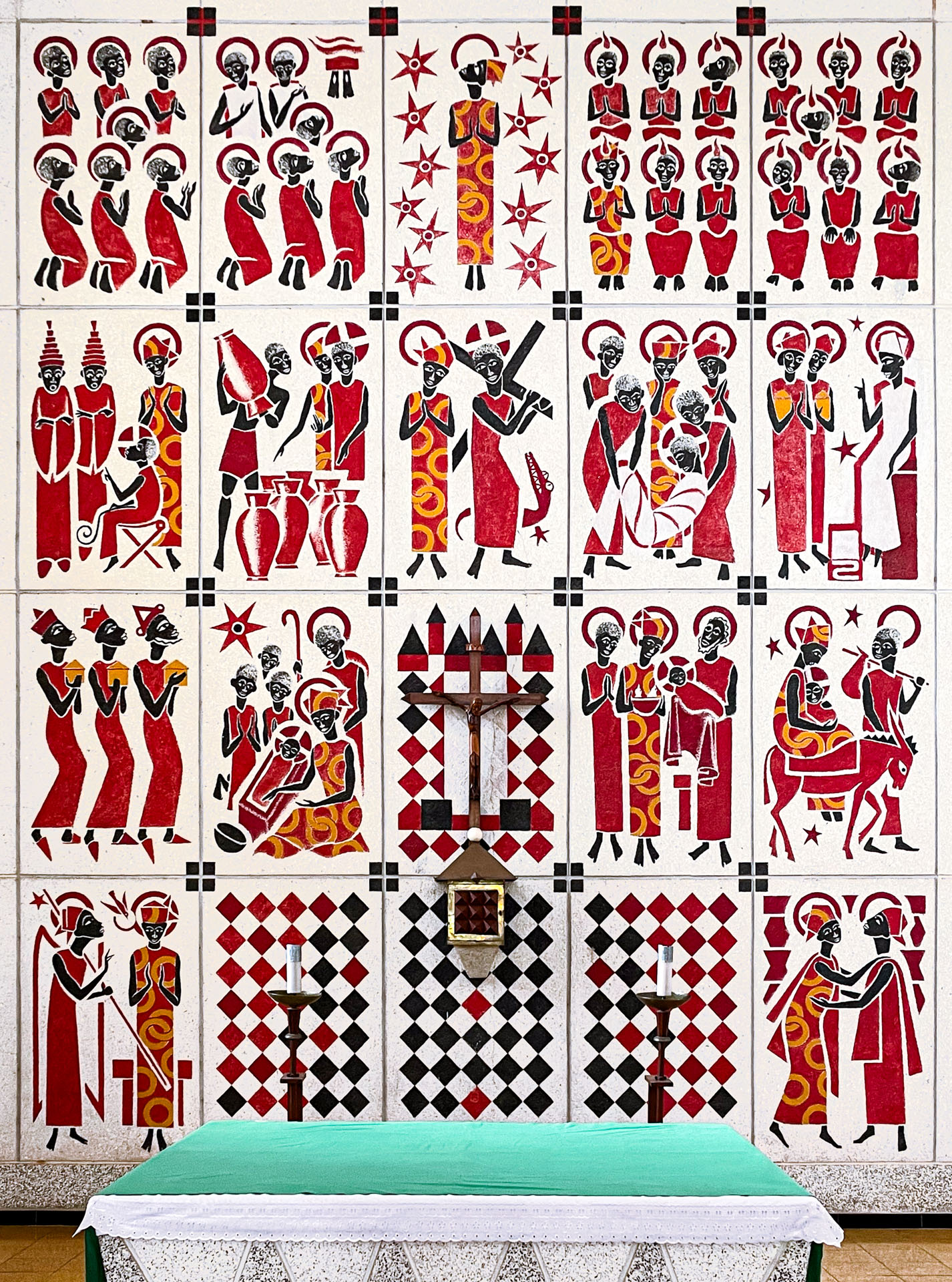
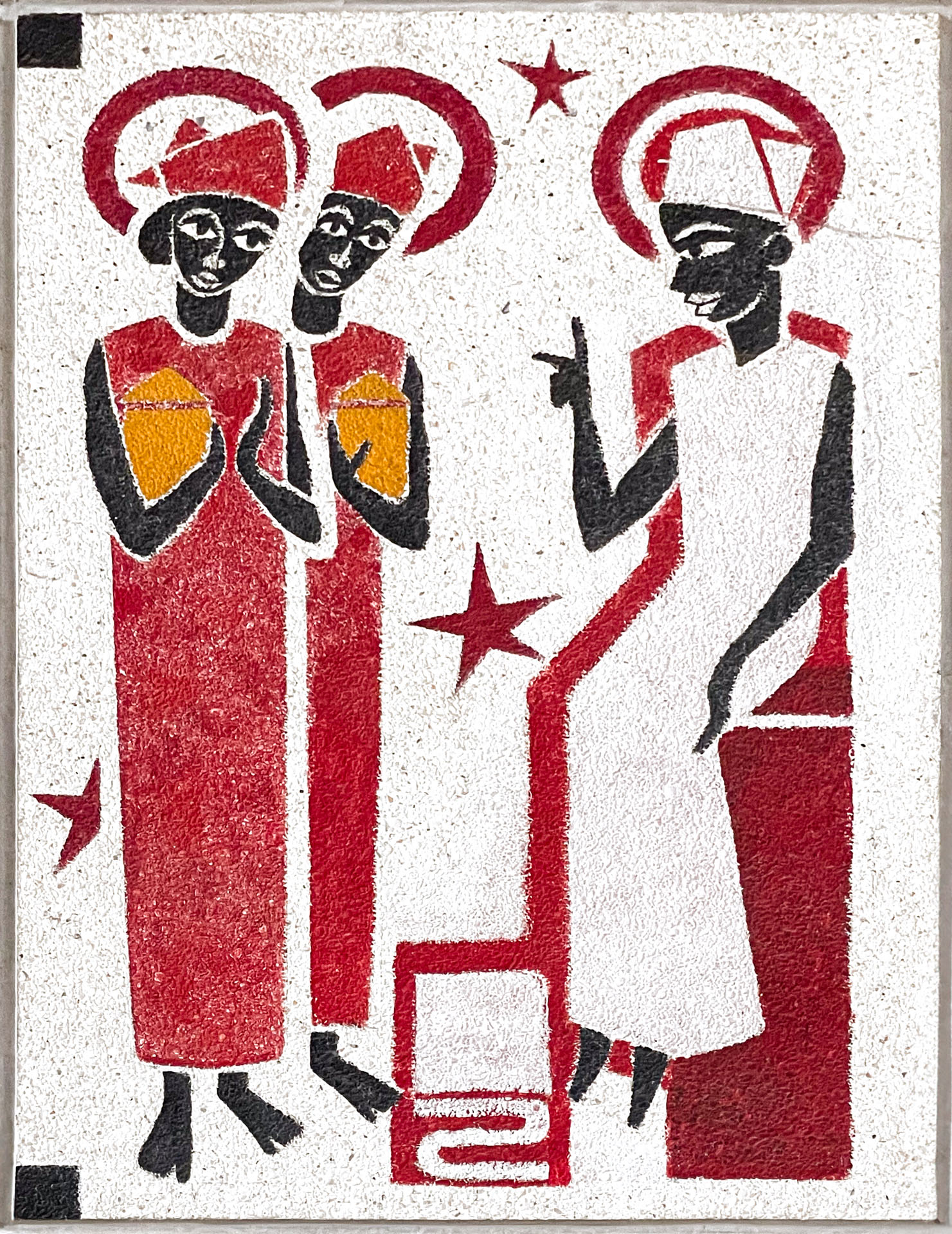
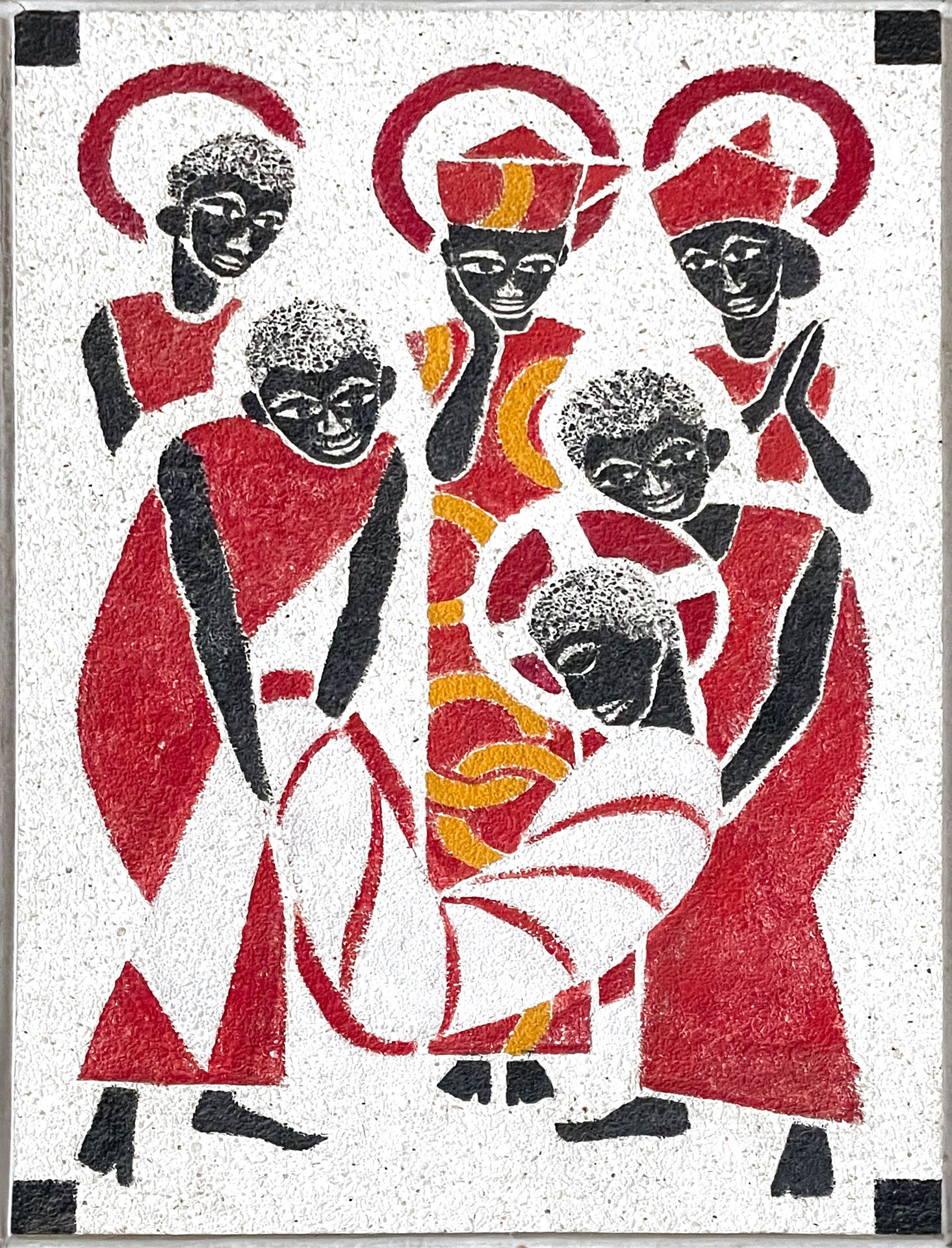
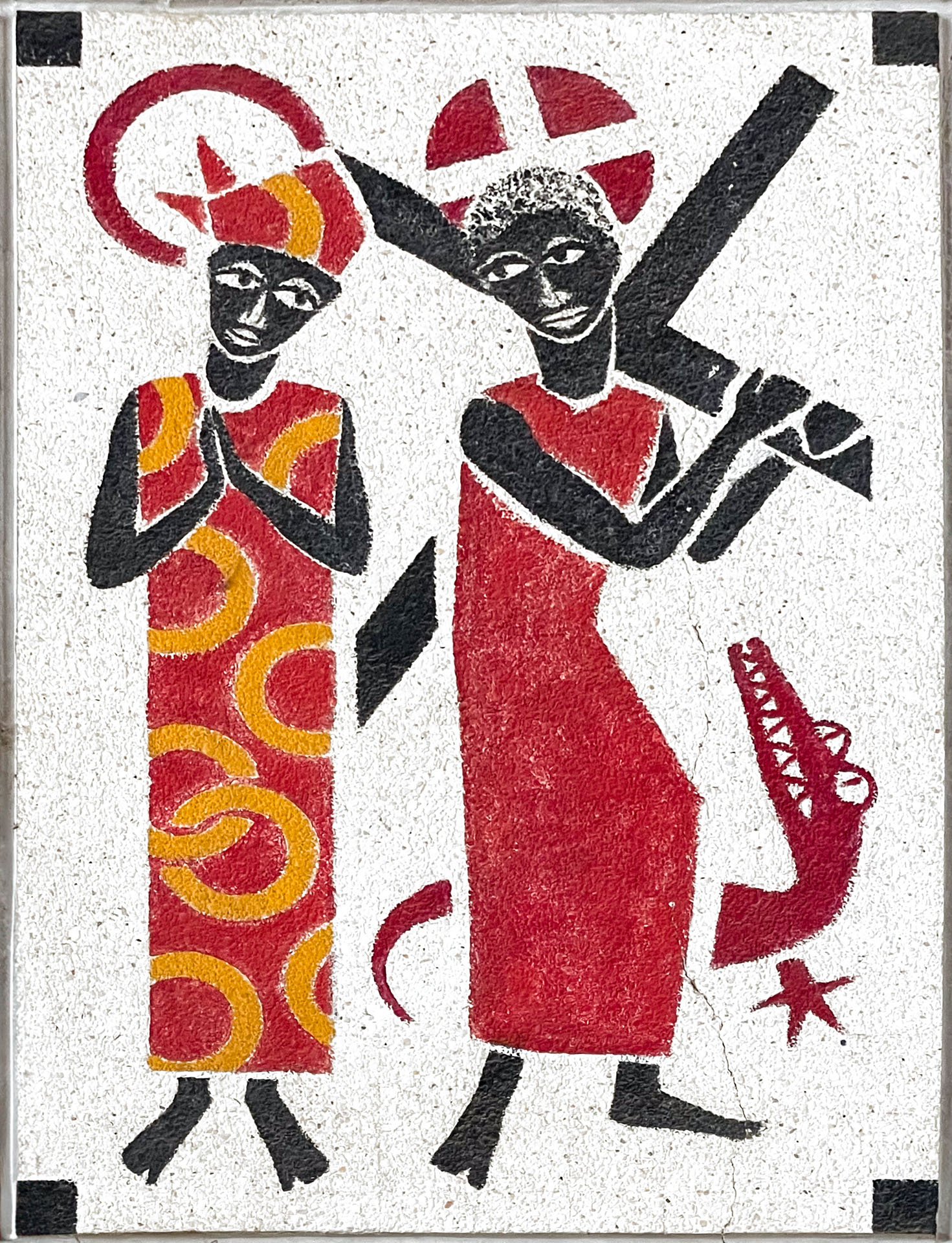
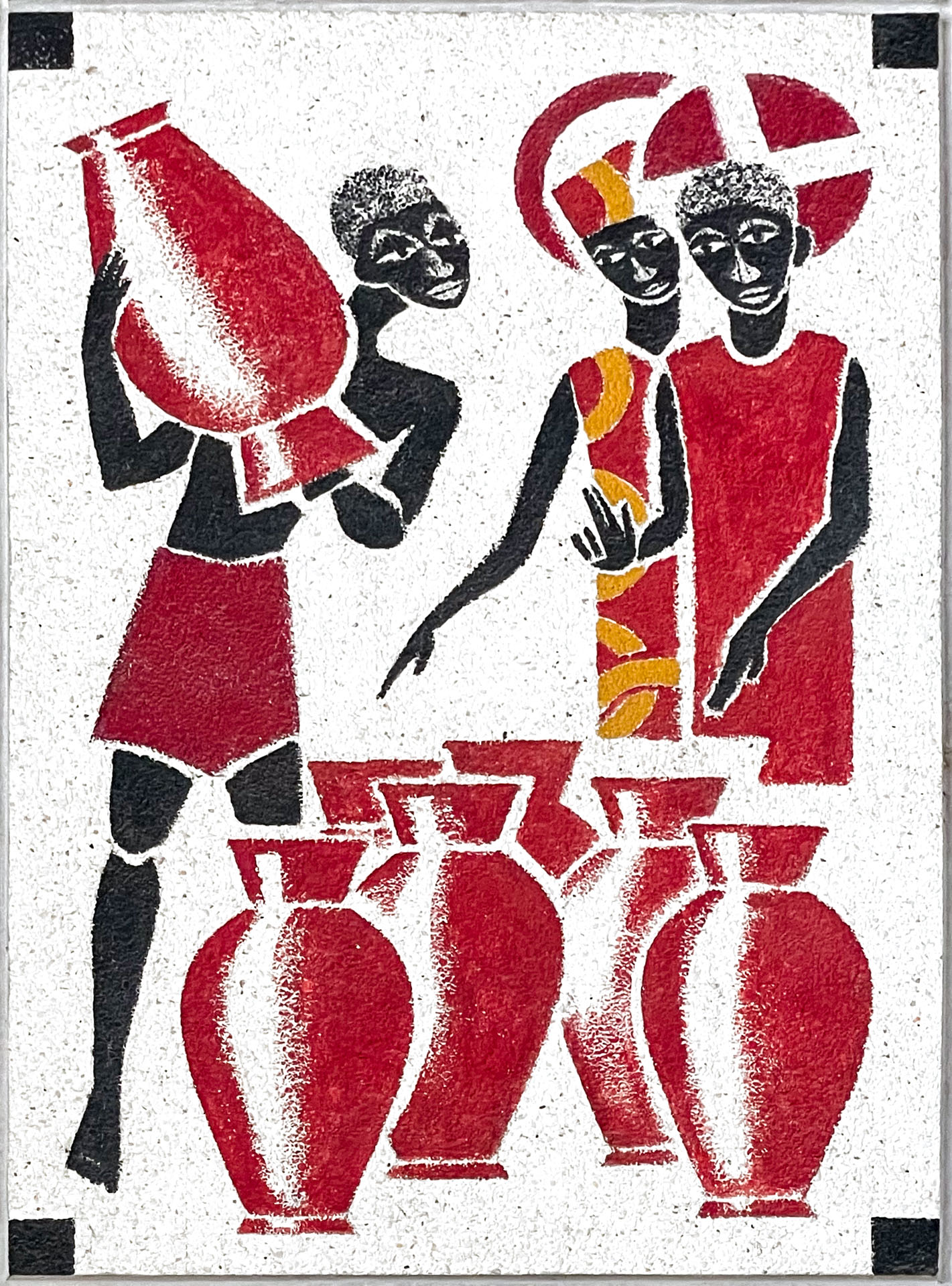
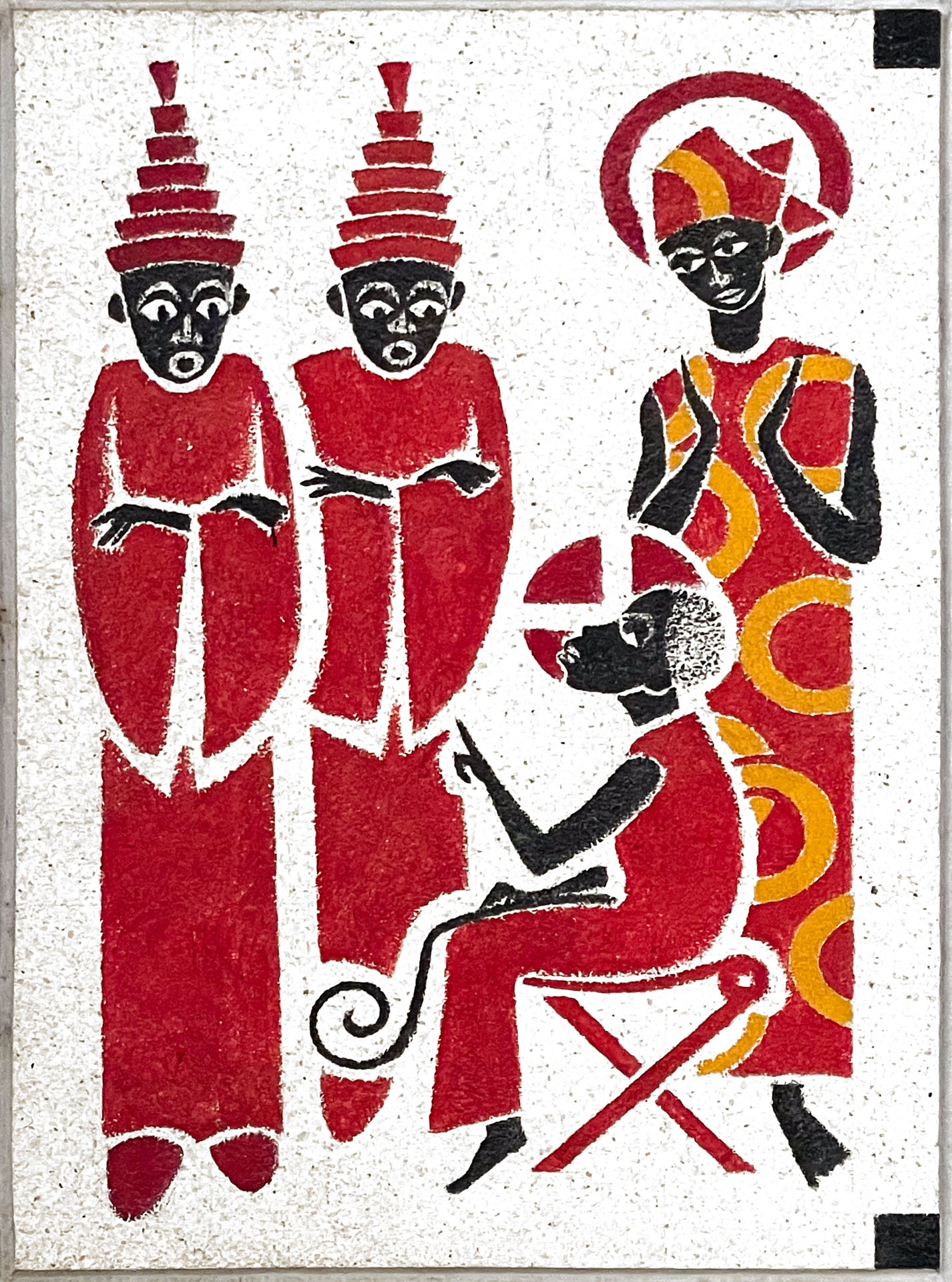
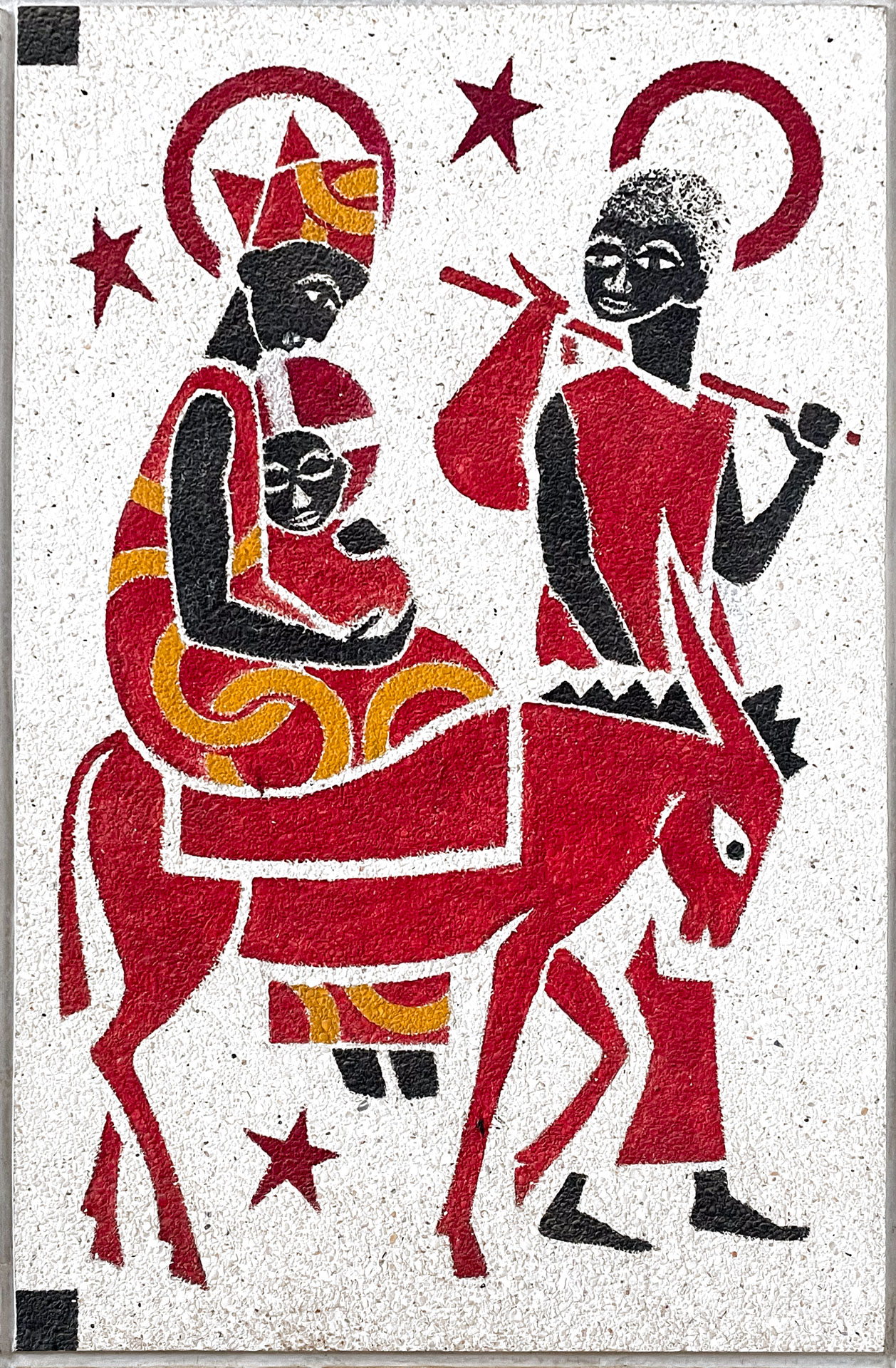
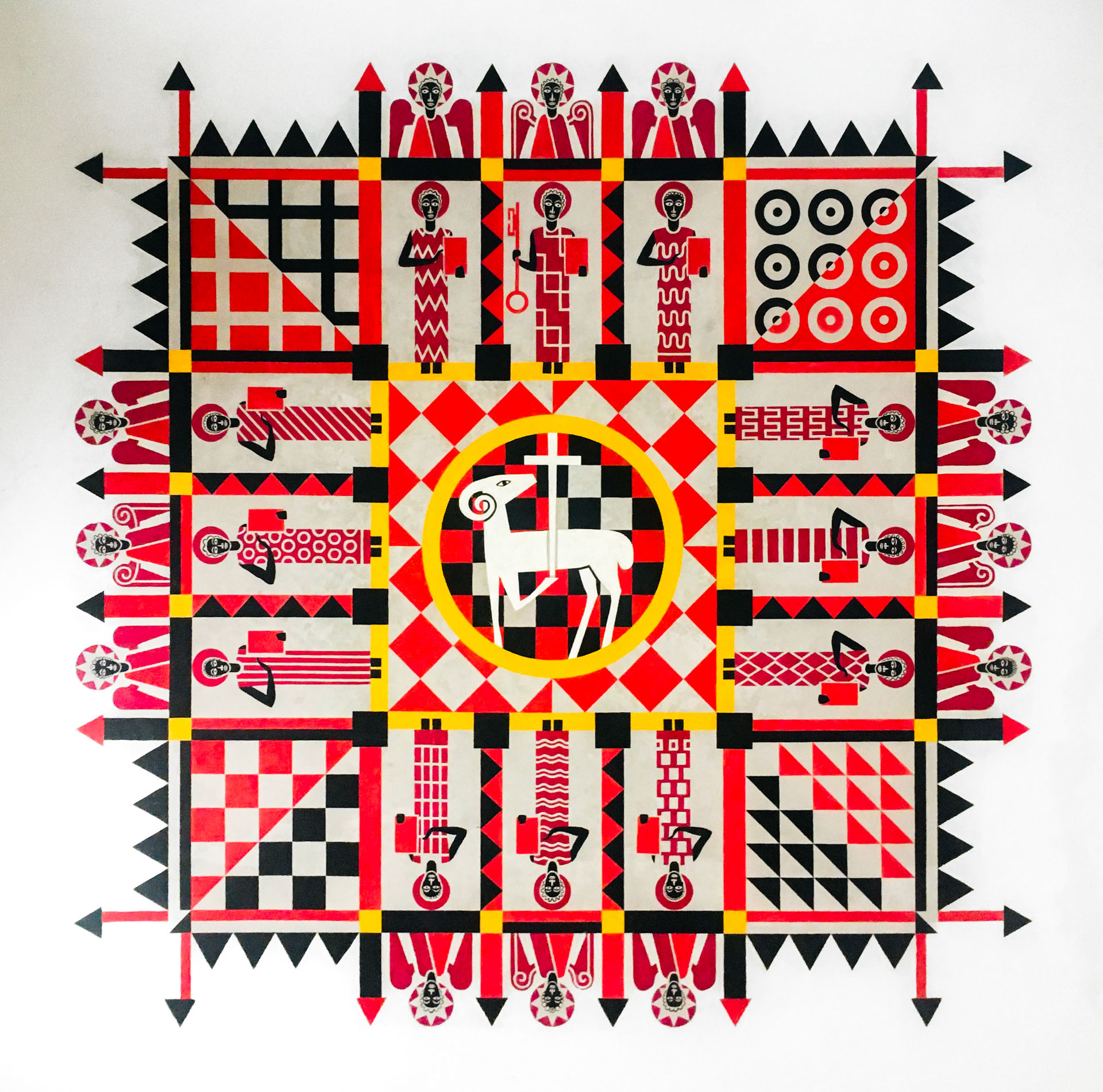
The frescoes of Keur Moussa Abbey, created by Dom Georges Saget OSB in 1963, unite Benedictine tradition with African visual language. They remain central to the abbey’s spiritual and cultural life.

Photos by Abbot Olivier-Marie Sarr OSB




9 October 2025
The mural decoration of Keur Moussa Abbey, founded in 1961 by monks from Solesmes, is the work of Dom Georges Saget OSB (1915–1993). Before entering monastic life, he trained as a chemical engineer, but his true vocation emerged in the service of God and the Church through art. Sent to Senegal at the beginning of the foundation, he dedicated himself to the embellishment of the new abbey church before later moving to Clervaux Abbey in Luxembourg, where he served as cellarer for 25 years until his death.
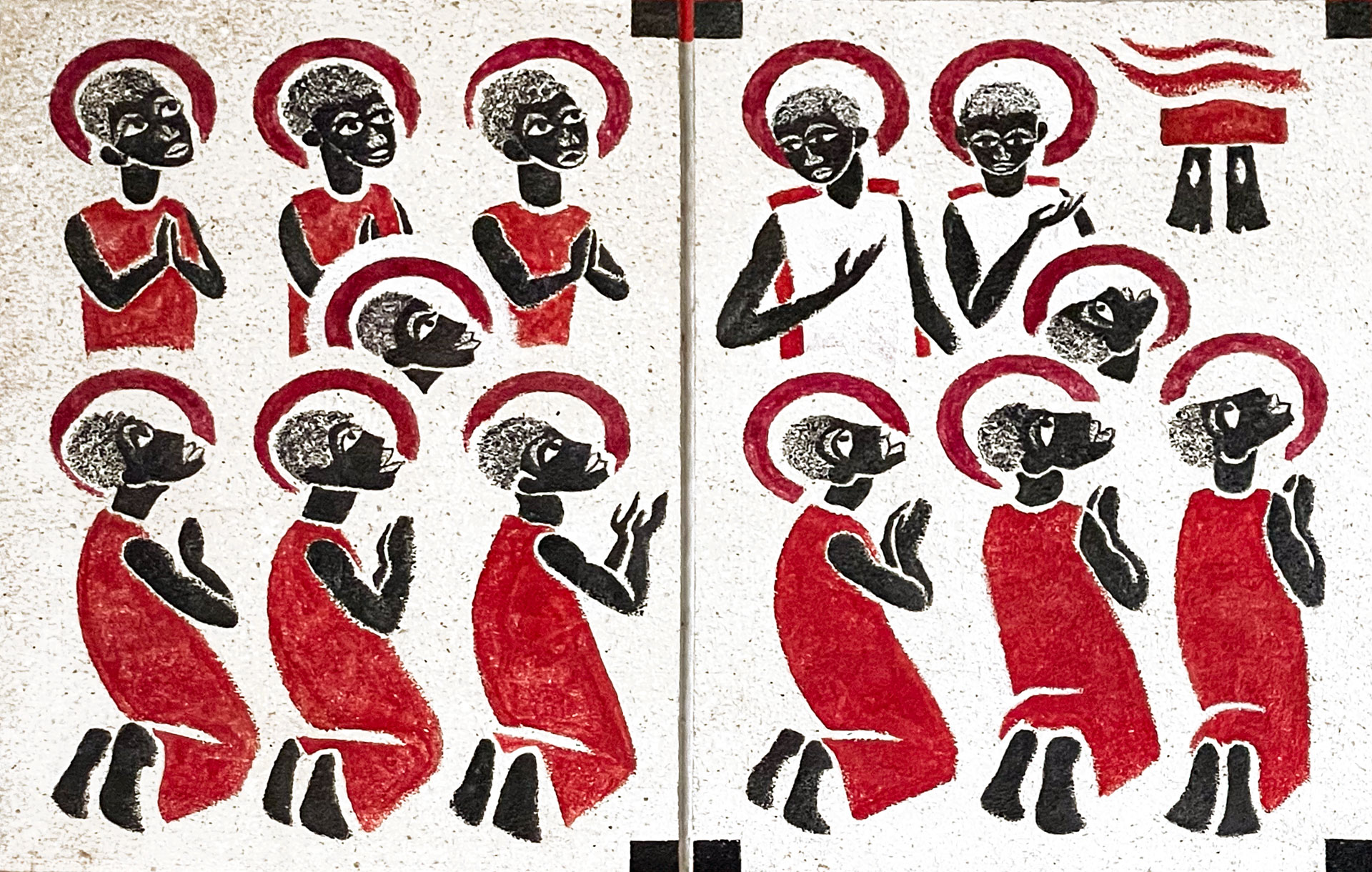
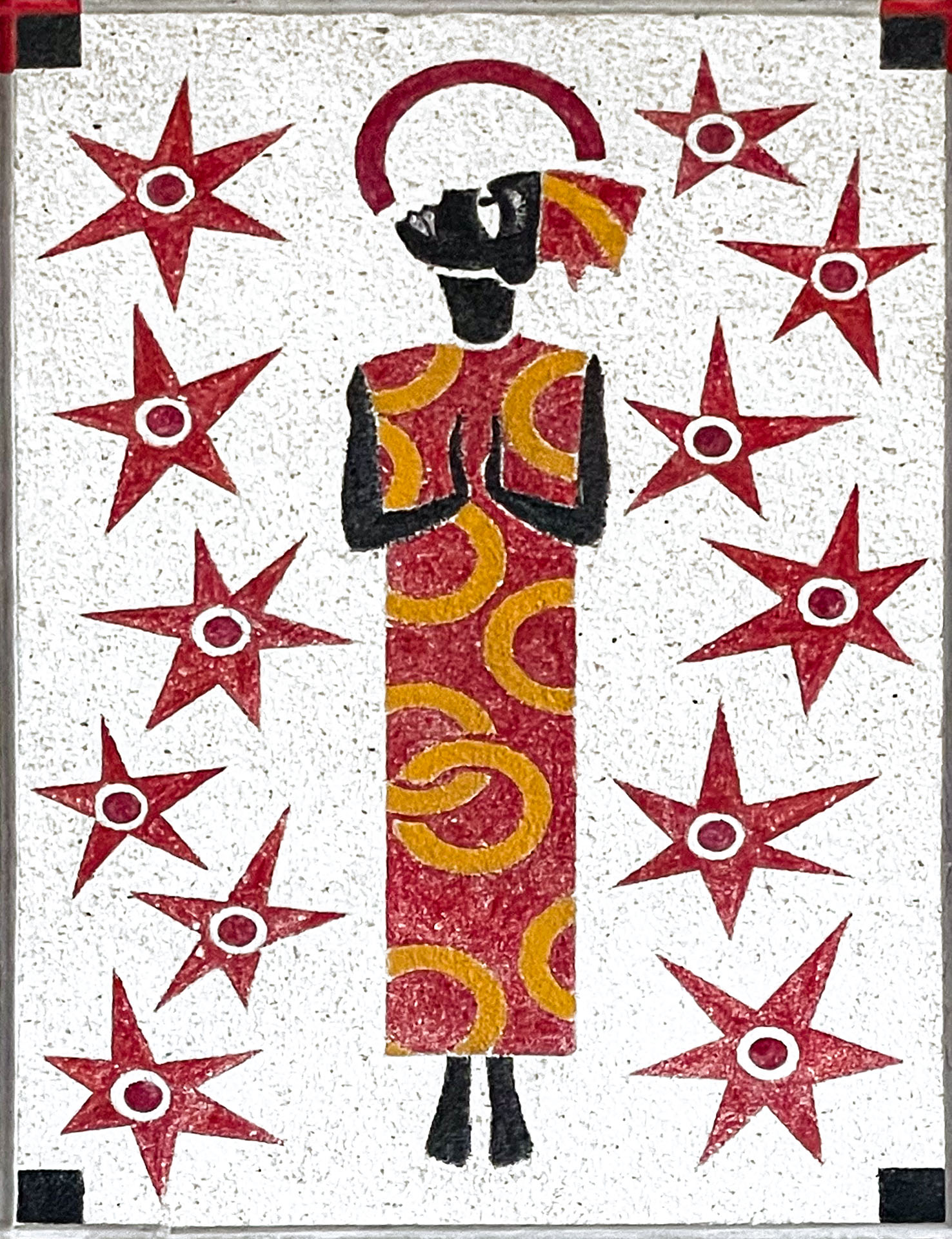
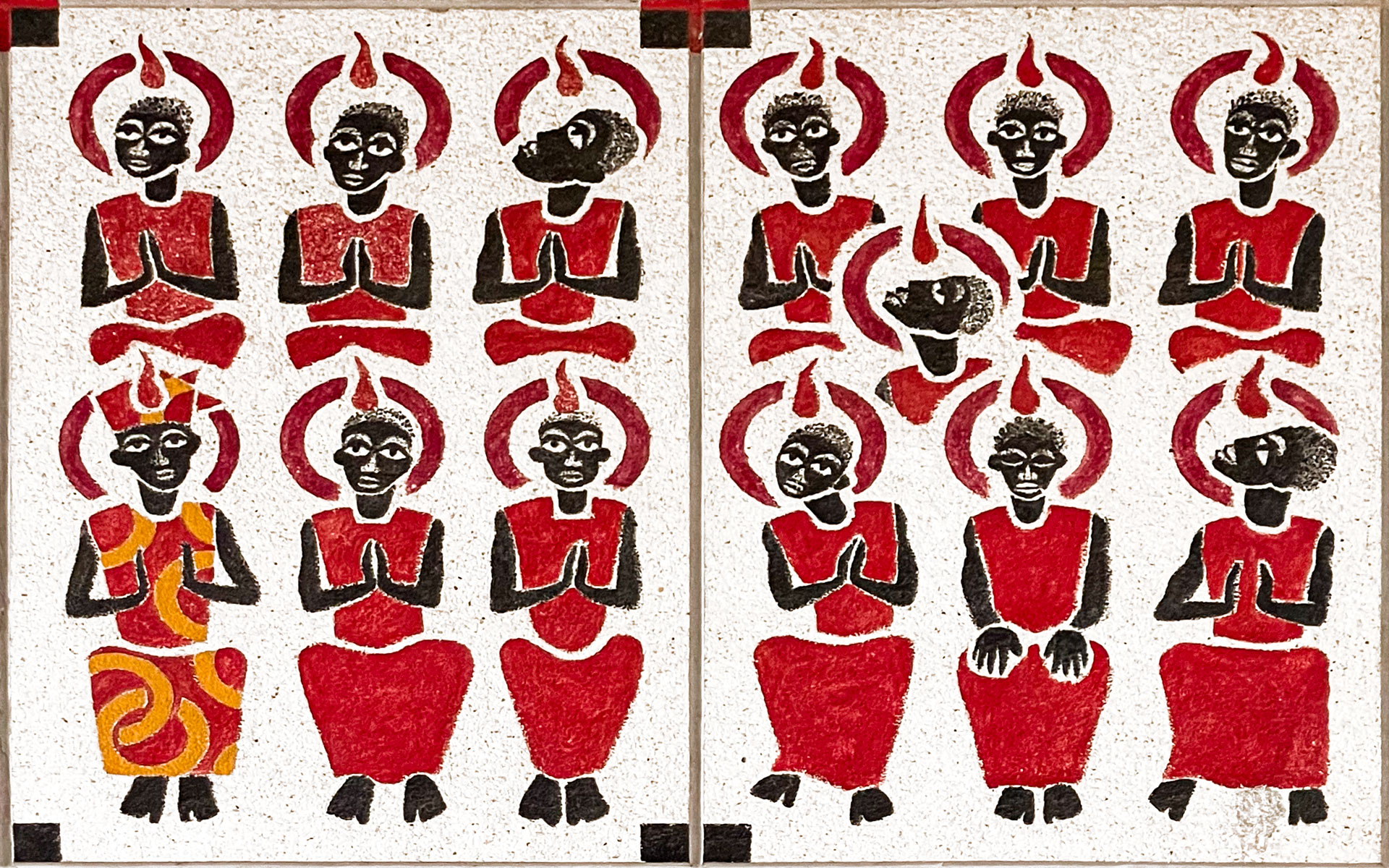
Saget’s frescoes at Keur Moussa are more than decoration. As Brother Thomas Pikandieu Gomis OSB has explained in his commentary on the frescoes, they are a confession of faith in images. Using geometric motifs drawn from African visual languages — circles, diamonds, triangles and rhythmic patterns — he created a visual rhythm that speaks to both the biblical story and the cultural memory of West Africa. The effect is at once monastic and local: an invitation to prayer shaped by the resonance of African symbols transfigured into Christian meaning.
The Virgin Mary appears throughout the frescoes, reflecting the abbey’s dedication to the Immaculate Heart. She is depicted as the one who first received the mystery of Christ, her garments enriched with circular designs that signify eternity and covenant. This visual presence underscores her role as guide and intercessor, accompanying the faithful towards the mystery celebrated in the liturgy.
Today Keur Moussa Abbey is known worldwide not only for its frescoes but also for its liturgical chant, which marries Gregorian modes with the sound of the African kora. Visitors encounter a community of monks deeply rooted in the Rule of Saint Benedict and the local culture. In this way, the art of Dom Georges Saget continues to speak: it is part of a larger witness where monastic life, prayer and creativity converge in a uniquely African Benedictine expression.
Elections, Appointments and Events | October-November 2026

Sant’Anselmo Scholars Address SCL Annual Conference
Pope Leo’s Benedictine Summer
Notes from the Aventine | August-October 2026

A Glance into the Catalogus: Large Monasteries and Popular Names
Art, Vocation and Community: The Life of Fr Dunstan Massey OSB