
Primas… Inter pares
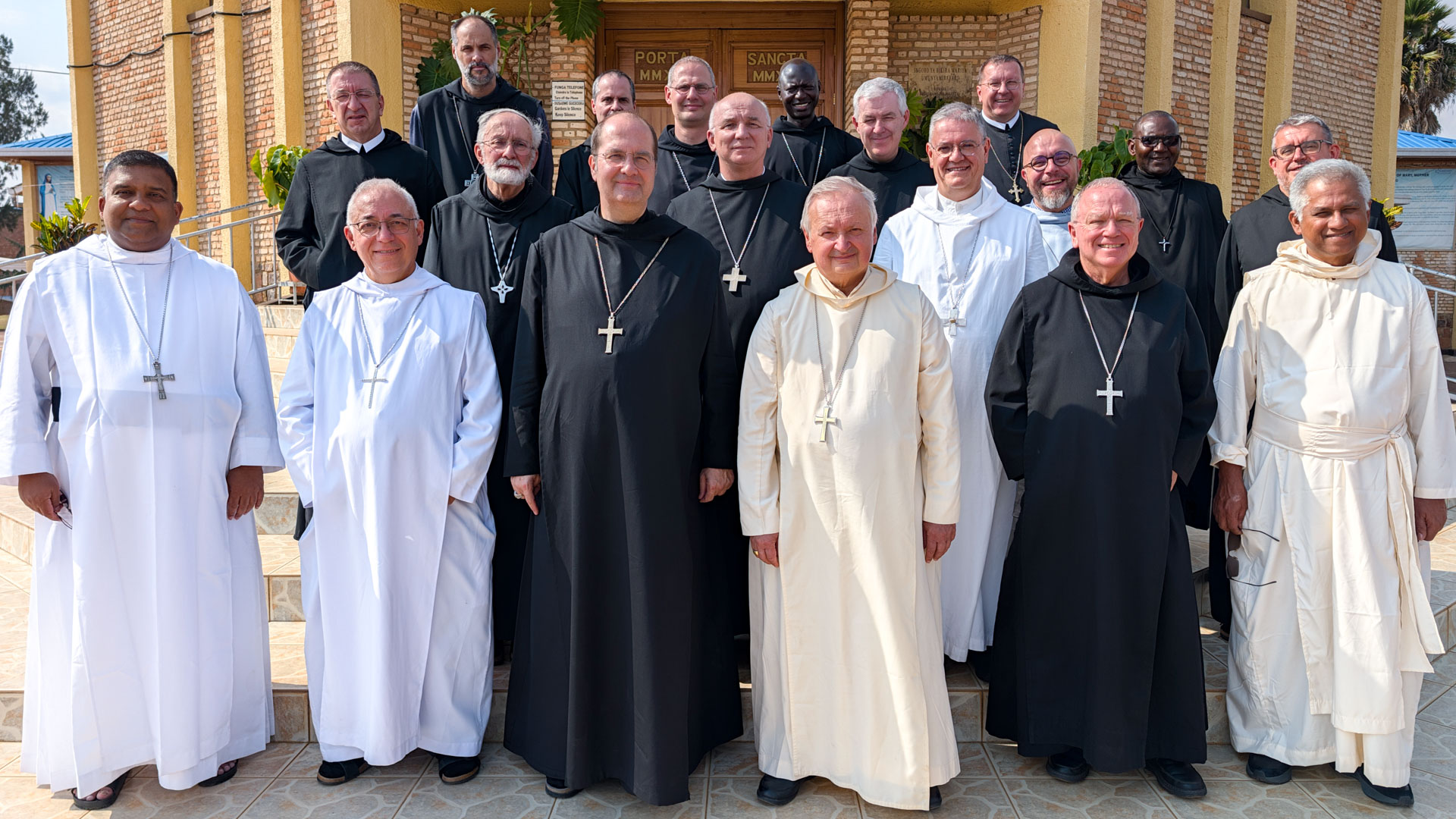
The Abbot Presidents travelled far for this year’s Synod, to a remote place in Rwanda. Abbot Javier of the Ottilien Congregation reports from that momentous gathering.
Photos and video courtesy of Synod participants.
21 septiembre 2026
by Abbot President Javier Aparicio Suarez
Ottilien Congregation
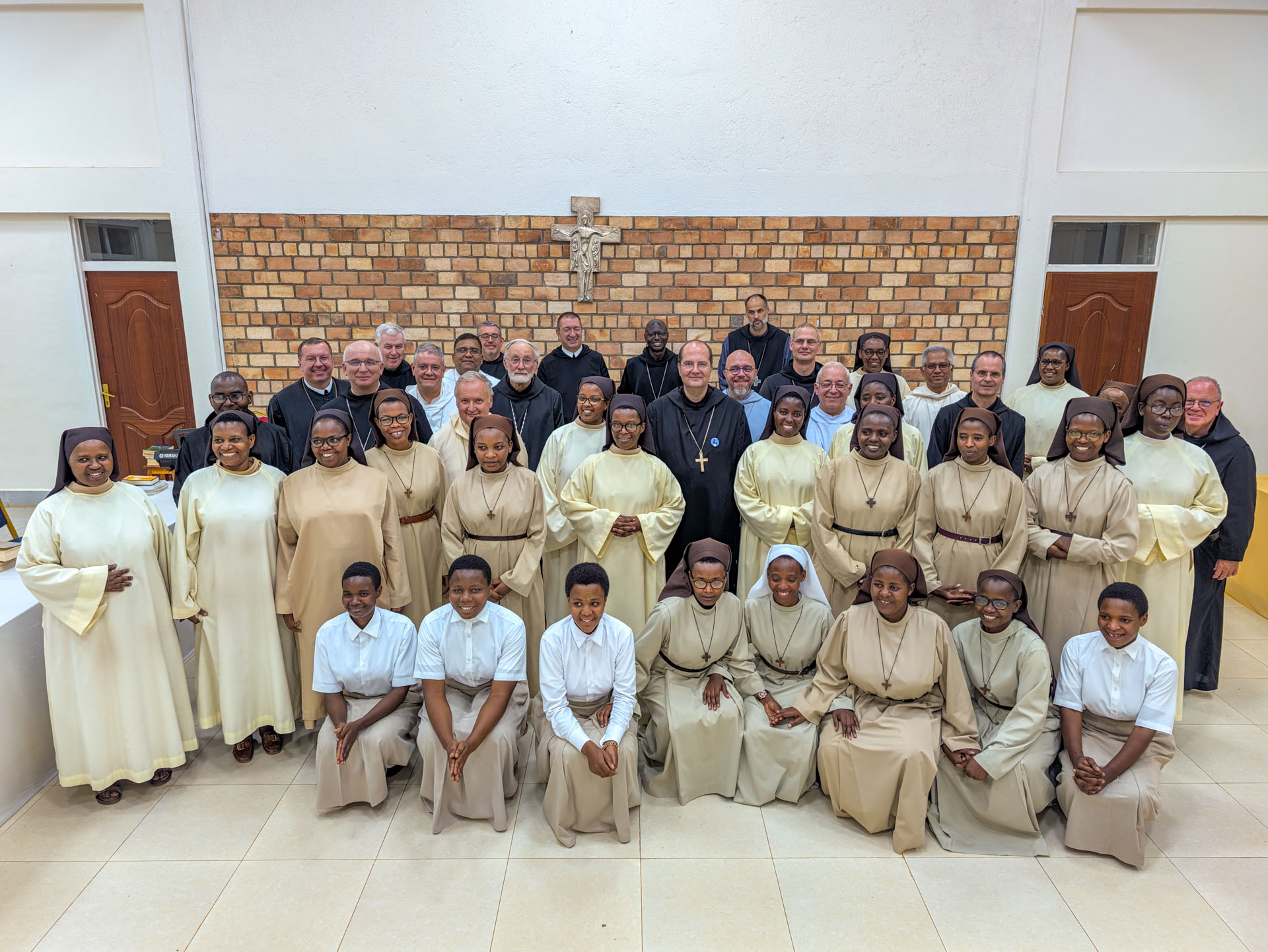
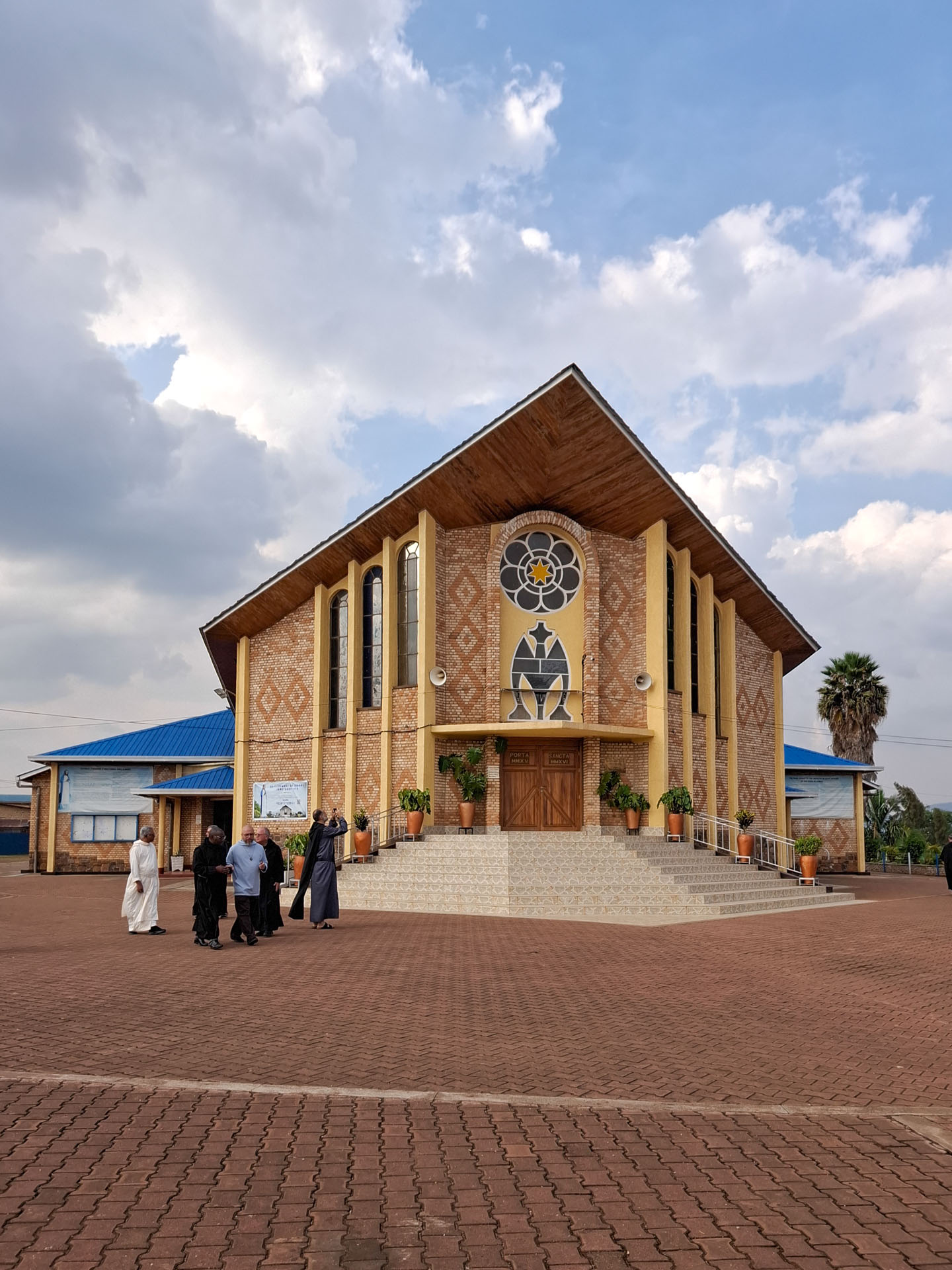
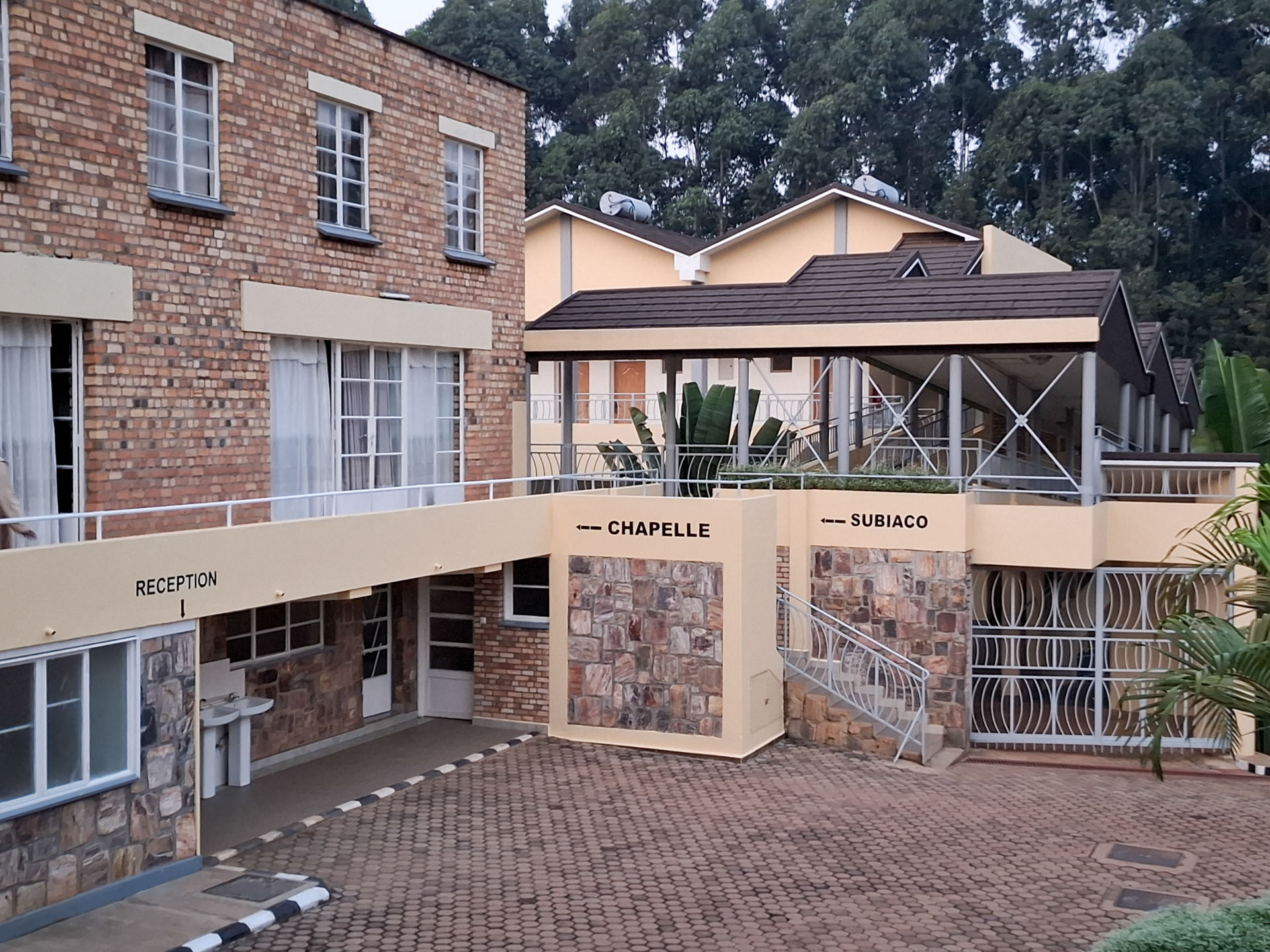
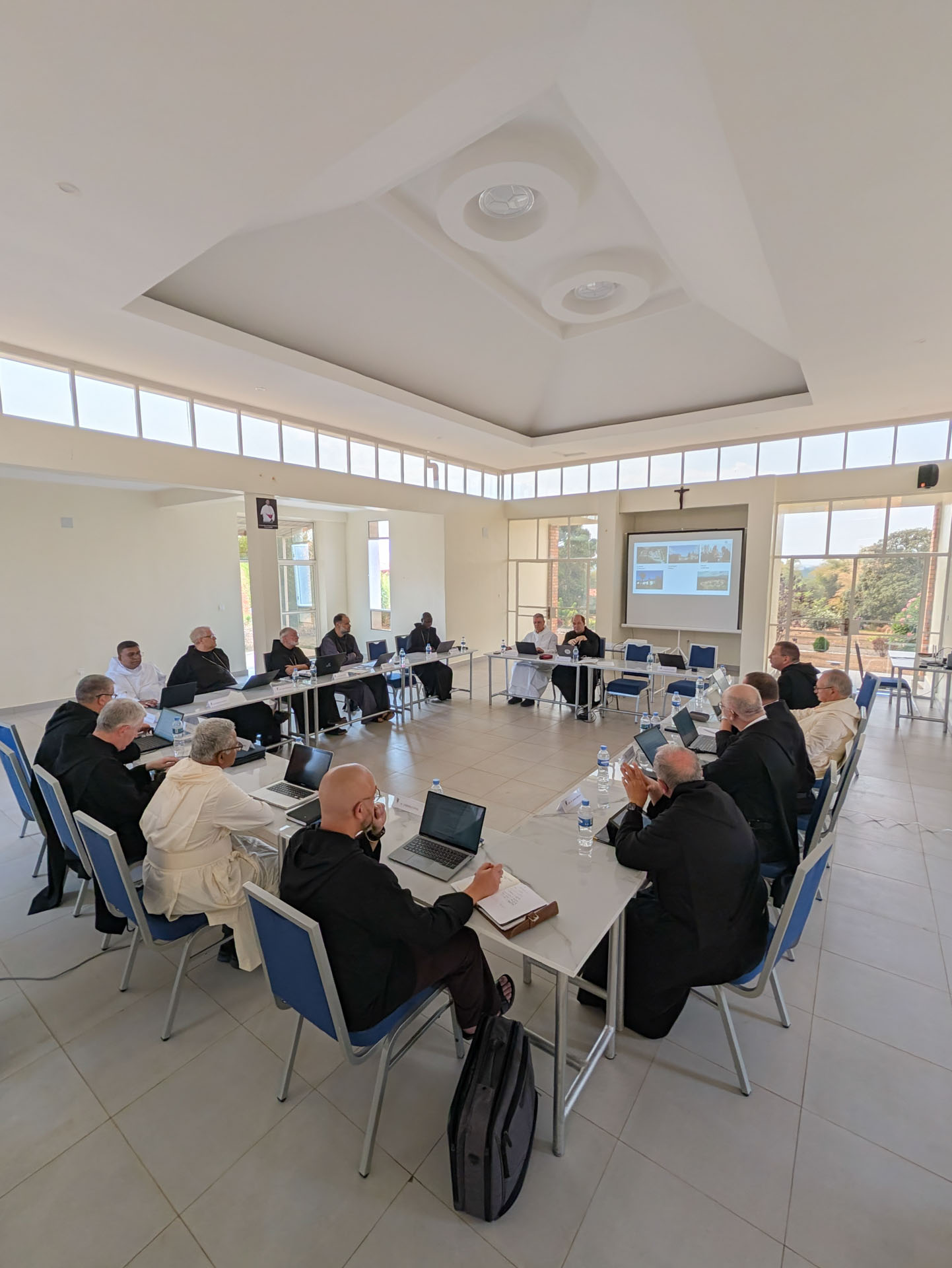
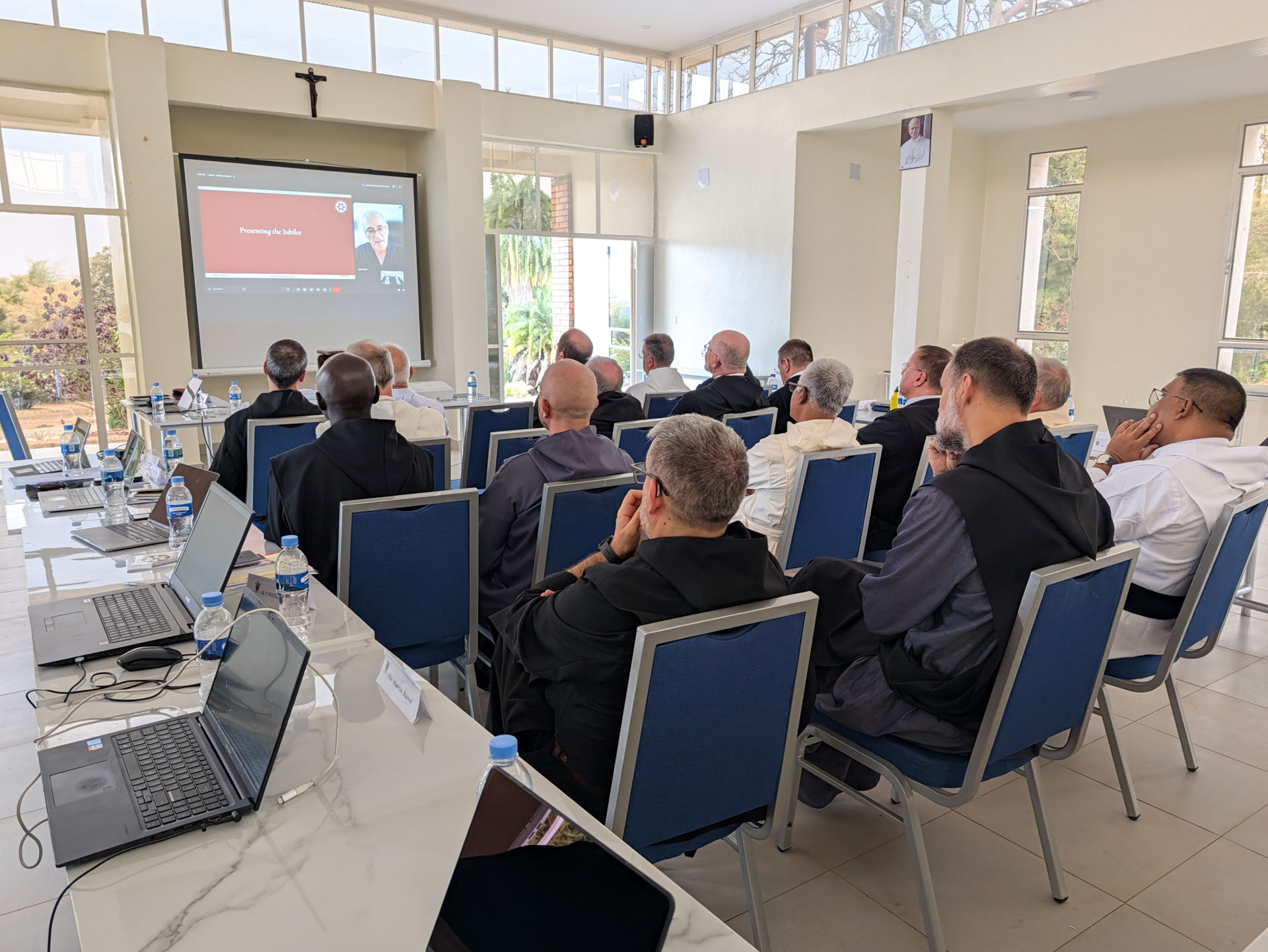
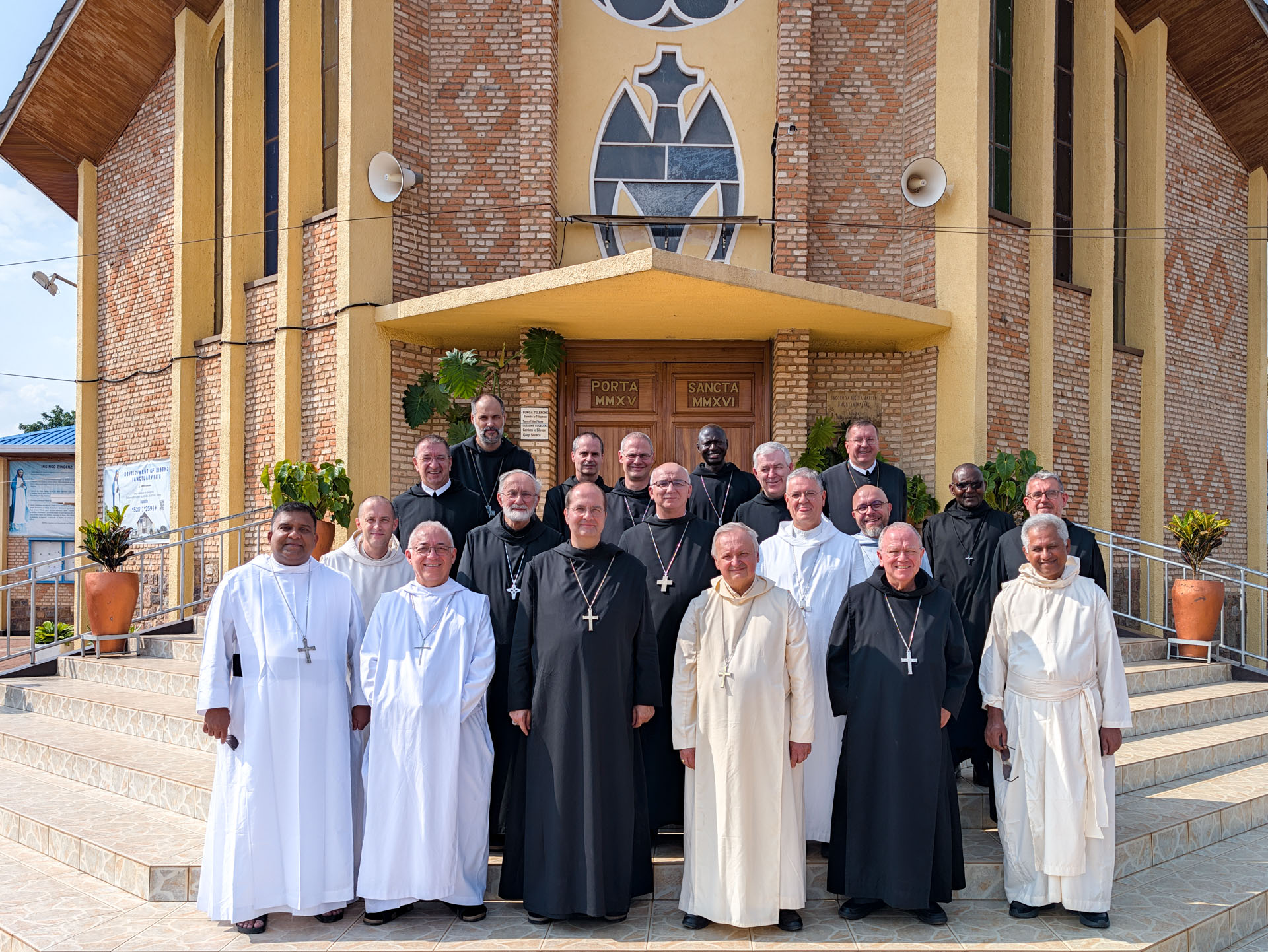
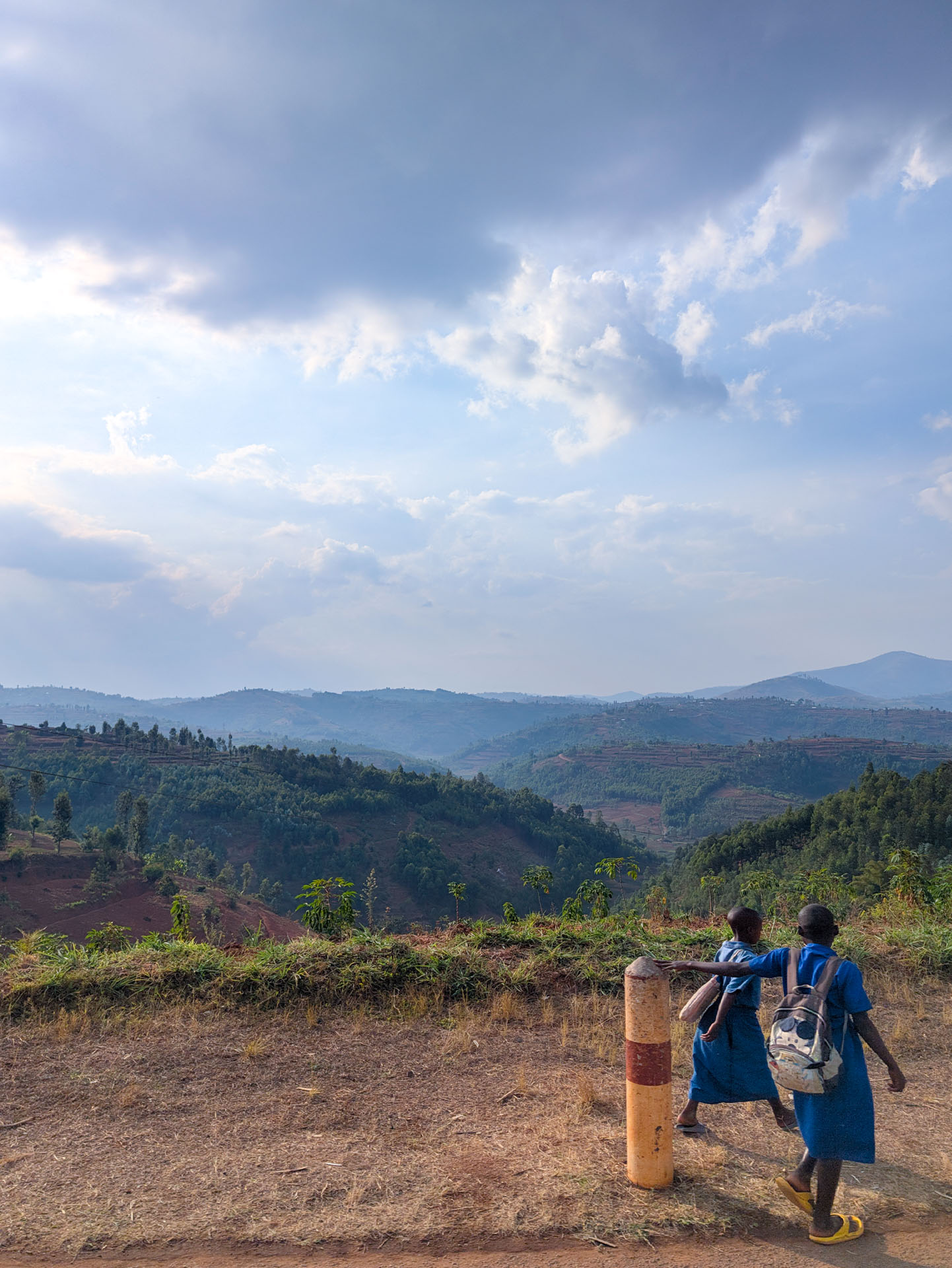
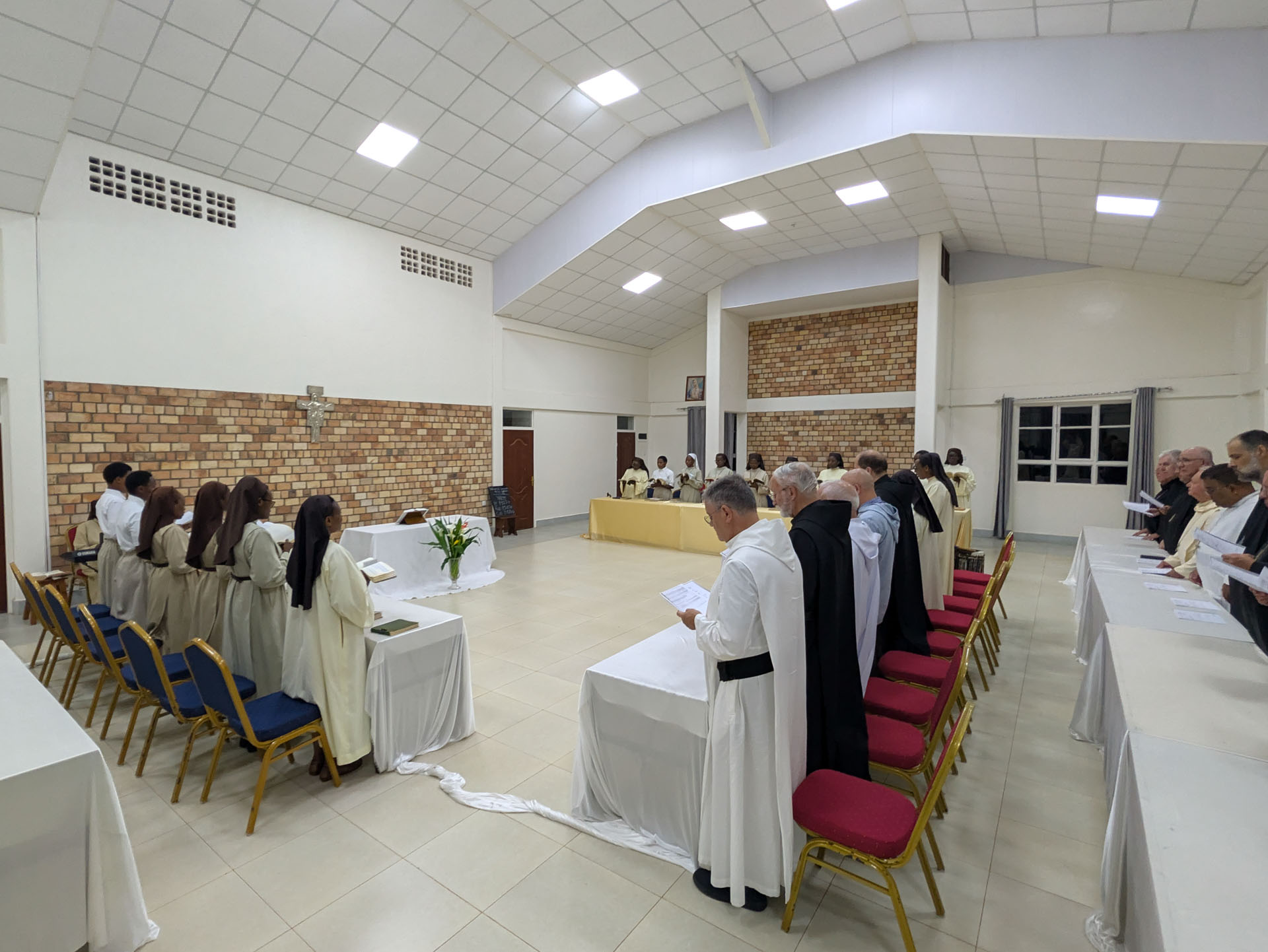
Once a year, the Abbot Primate convenes all the Presidents of the Benedictine Confederation for the Synod. This last week we met in a rather different setting from Sant’Anselmo: at the Benedictine Monastery of Gihindamuyaga in Rwanda, of the Annunciation Congregation.
Perhaps the familiar expression primus inter pares could be slightly adapted for the occasion: “Primas… inter pares.” Primas is also the title traditionally used for the Abbot Primate. For a few days, therefore, our Primas, Abbot Primate Jeremias Schröder, found himself quite literally inter pares.
Behind the wordplay lies something quite characteristic of the Benedictine Confederation. We do not constitute a centralized order. Our monasteries and Congregations enjoy considerable autonomy, and yet we belong to one Benedictine family. The Synod is one of the places where this peculiar combination of autonomy and communion becomes particularly visible.
The Confederation: what holds us together? A substantial part of every Synod is dedicated to the life of the Confederation. The report of the Abbot Primate provided an overview of developments during the past year and opened the way for questions and discussion.
Several concrete matters followed: the ongoing revision of the Lex Propria, preparations for the Abbot Congress in 2028, the Benedictine calendar, relations with the Communio Internationalis Benedictinarum (CIB), the Oblates, the Catalogus, AIM and the formation programme for new abbots.
At first sight, some of these matters can appear rather administrative. But behind them lies an important question: what does it mean today to belong to a worldwide Benedictine Confederation?
Sant’Anselmo: Our common house
A second major part of the Synod was dedicated, as every year, to Sant’Anselmo.
The Prior, Rector and the new Treasurer, Fr Korbinian Bimbacher from Salzburg, presented their respective reports, allowing the Synod to consider the life of the community, the Atheneum and the economic situation. Questions concerning safeguarding, financial regulations, the subsidium, the visitation of Sant’Anselmo and the approval of the Statues for Collegio Sant’Ildegarda (the new residence for nuns and sisters) were also part of the agenda.
Sant’Anselmo remains one of the most visible expressions of what we share as Benedictines. It is simultaneously a monastery, a place for studies and formation, an academic institution and a meeting point for Benedictines from very different countries and traditions.
For our own Congregation this is particularly important. The increasing number of our young monks studying at Sant’Anselmo reminds us that its future is not a distant Roman concern. What happens there directly affects the formation of the new generation of some of our confreres
Different Congregations, a shared table. One of the most interesting moments of the Synod is also one of the simplest: each President reports briefly on the situation of his Congregation. In only a few minutes, one travels around the Benedictine world.
The realities could hardly be more different. Perhaps precisely here the meaning of inter pares becomes most tangible. There is no single Benedictine reality and therefore no single solution applicable everywhere. Listening to one another does not eliminate our differences. It helps us to understand them — and sometimes to discover that behind very different circumstances lie surprisingly similar questions.
Africa and AI: Two questions for the future
Two particular subjects completed this year’s discussions: monasticism in Africa and Artificial Intelligence and monastic life.
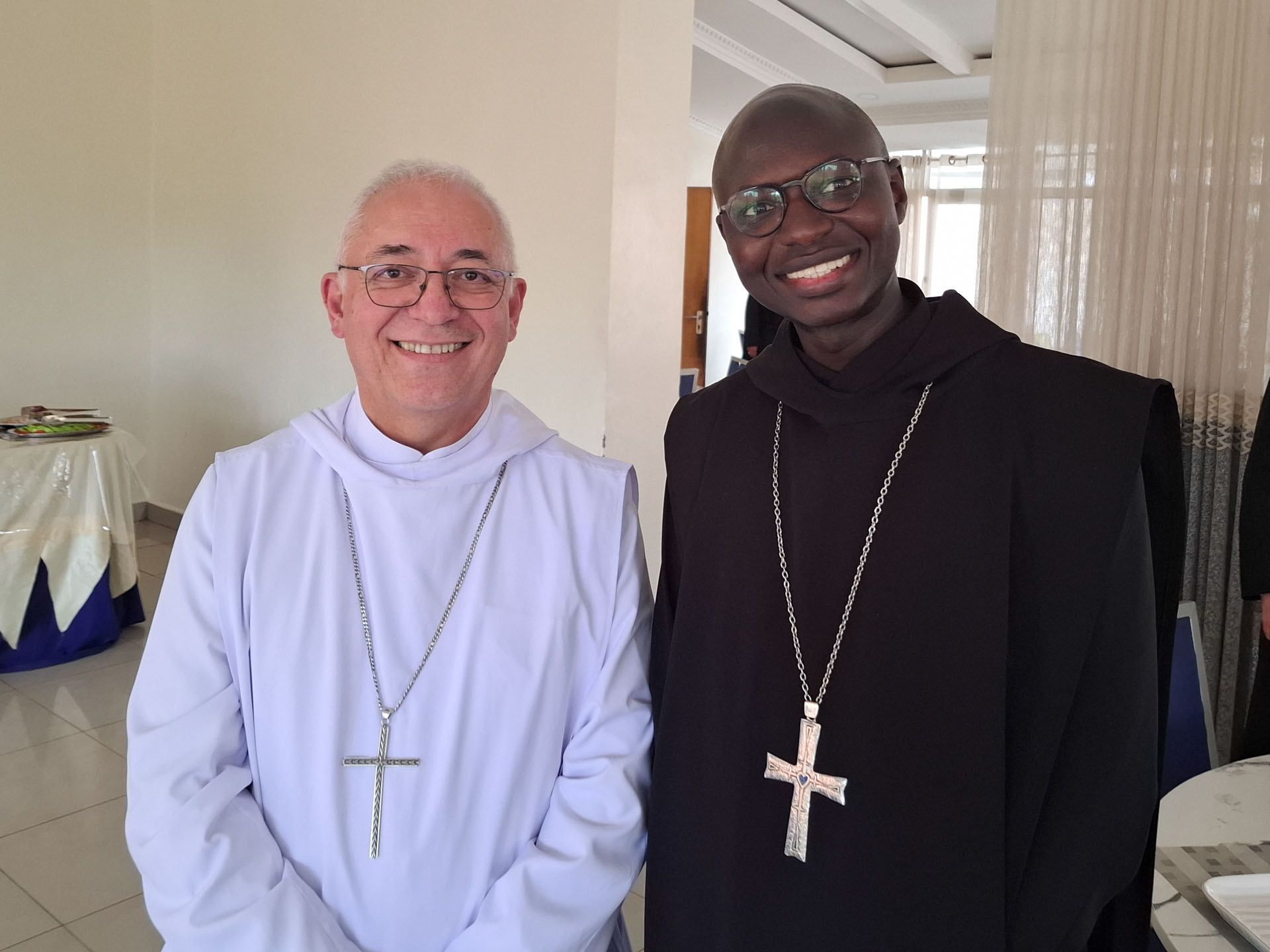
Abbot Olivier Sarr of Keur Moussa in Senegal presented the reality of Benedictine life in Africa. The vitality and growth experienced in many African communities also bring important responsibilities. Particularly significant are the questions of formation and leadership.
Fr Patrick Carter introduced a very different but equally contemporary subject: Artificial Intelligence. The discussion quickly showed that the question cannot simply be whether monks should or should not use AI. The challenge is broader. AI belongs to a technological environment that includes the internet, social media and forms of digital communication that are already changing how we work, communicate, learn — and even how we relate to one another.
The essential question is therefore also a human one: how can we use these technologies without marginalizing the humanizing elements of our lives? For monastic life, with its emphasis on presence, community, silence, listening and personal encounter, this question deserves serious reflection.
Neither Africa nor Artificial Intelligence was a topic to be “solved” in one session. Both will continue to accompany the discussions of future meetings.
Rwanda: More than a meeting place
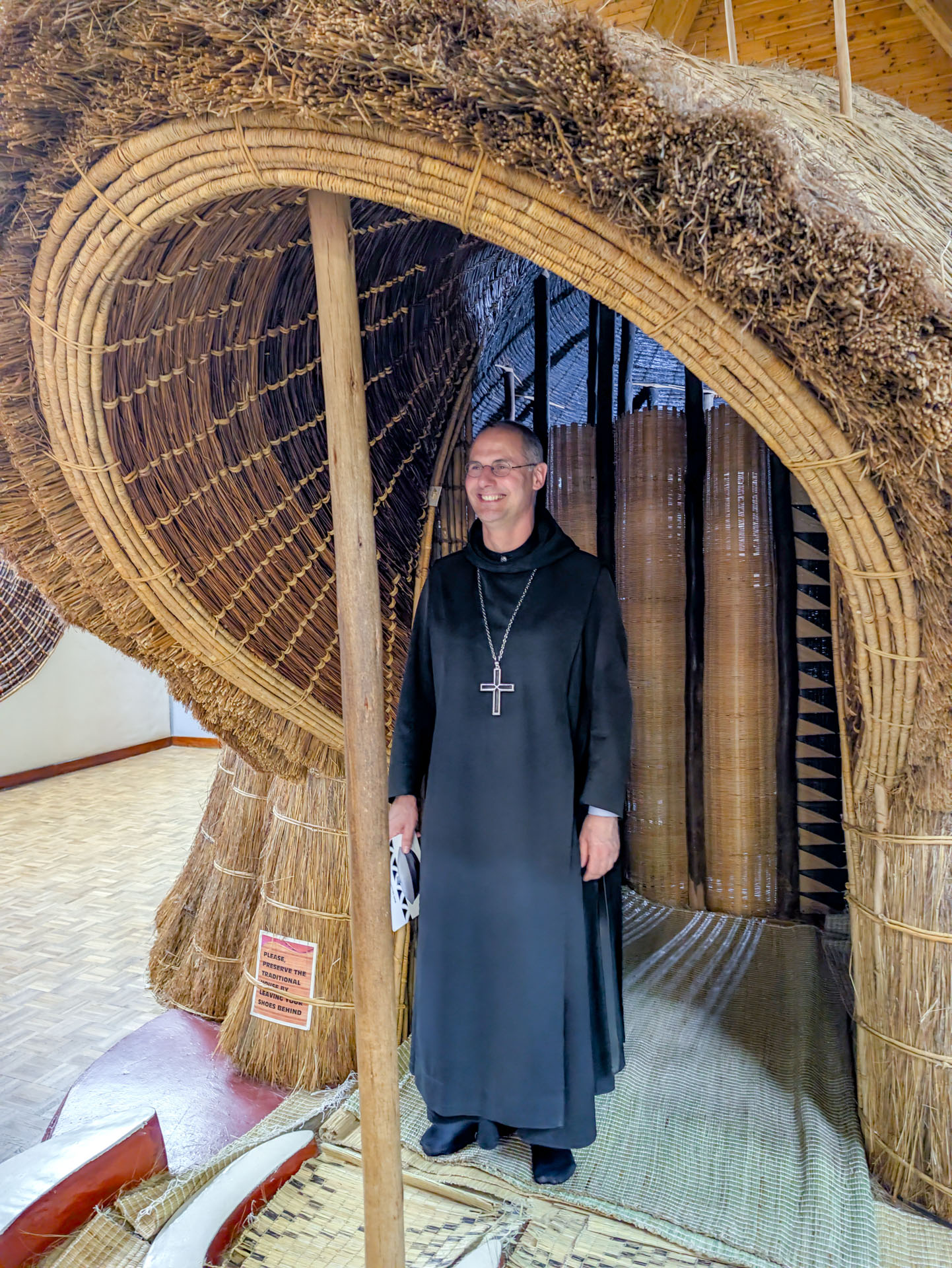
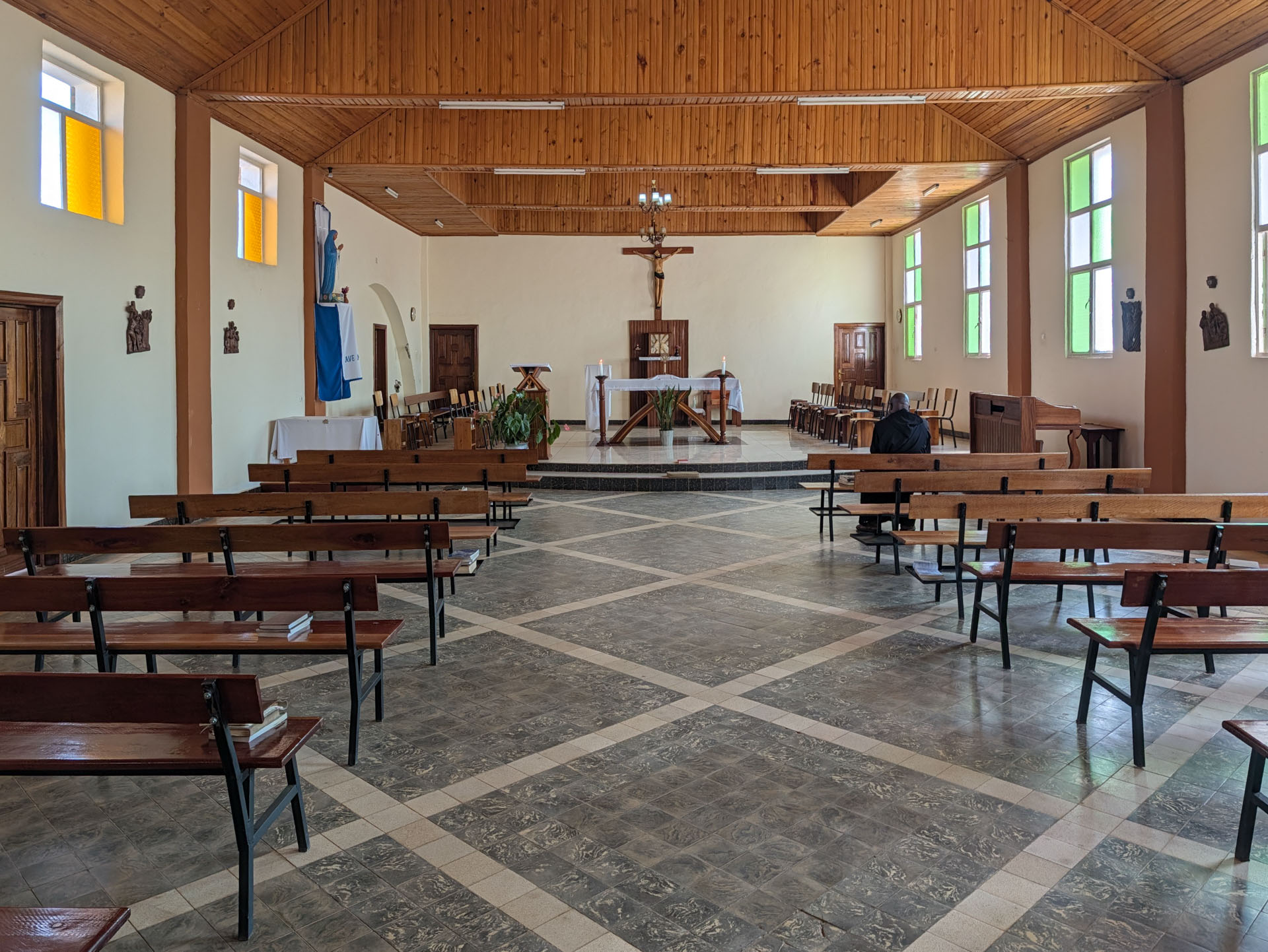
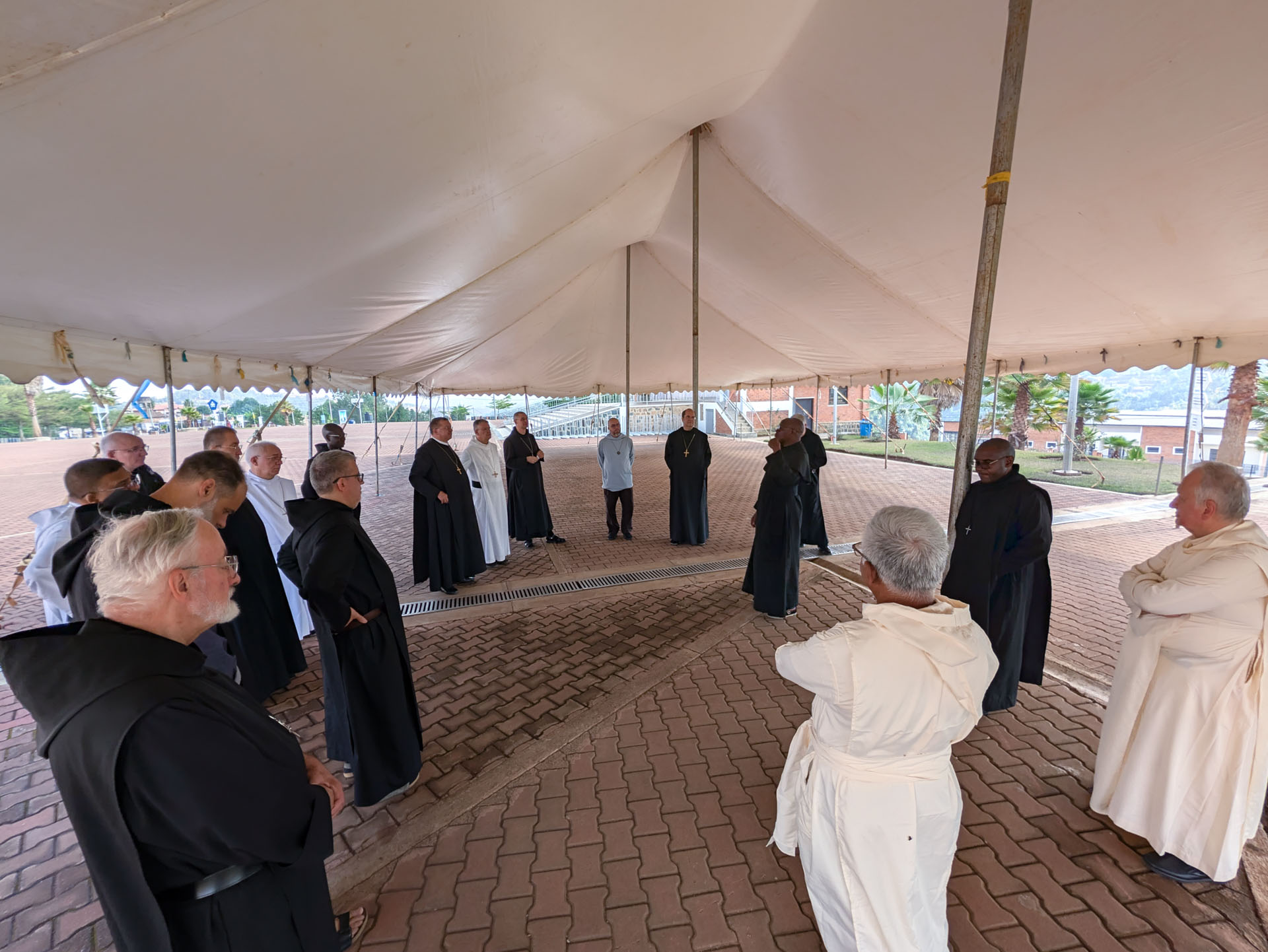
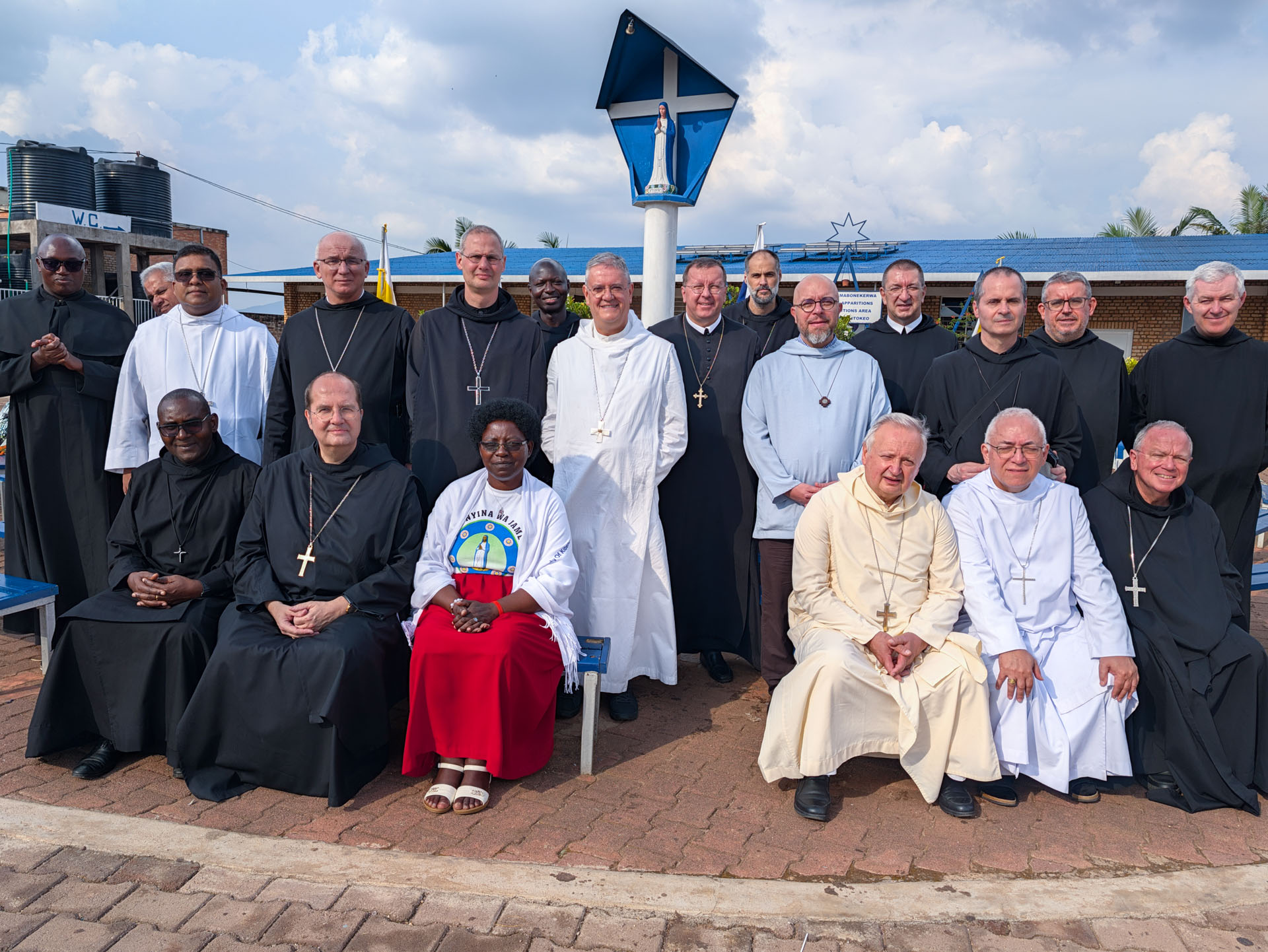
Gihindamuyaga was much more than the geographical location of the Synod. Our days were somehow inserted into the life of the community. A visit to Kibeho and Butare also allowed us to encounter something of the religious and cultural reality of Rwanda. Perhaps that was itself a fitting conclusion to the Synod.
The Confederation is ultimately not an organizational chart centred in Rome. It is made up of monasteries: communities in which monks and nuns try, in very different parts of the world, to seek God according to the Rule of Saint Benedict.
And perhaps that is what allows the Primas to remain genuinely inter pares.
-
Primas… Inter pares

La Congregación de la Anunciación celebra Capítulo General en la Abadía de Tyniec
La Abadía de San Bernardo elige a su 11.º abad
Los benedictinos conmemoran el centenario del hermano David Steindl-Rast OSB
Nuevo abad elegido en la abadía de Conception
¿Límites de la esperanza?