
The Prior’s Atelier: How Art and Mindfulness Shape Leadership at Europakloster Gut Aich
As part of our series on Benedictine artists, we examine how Br. Thomas Hessler OSB integrates his creative practice into his ongoing leadership as Prior of Europakloster Gut Aich.
Photos courtesy of Europakloster Gut Aich and Susanne Windischbauer
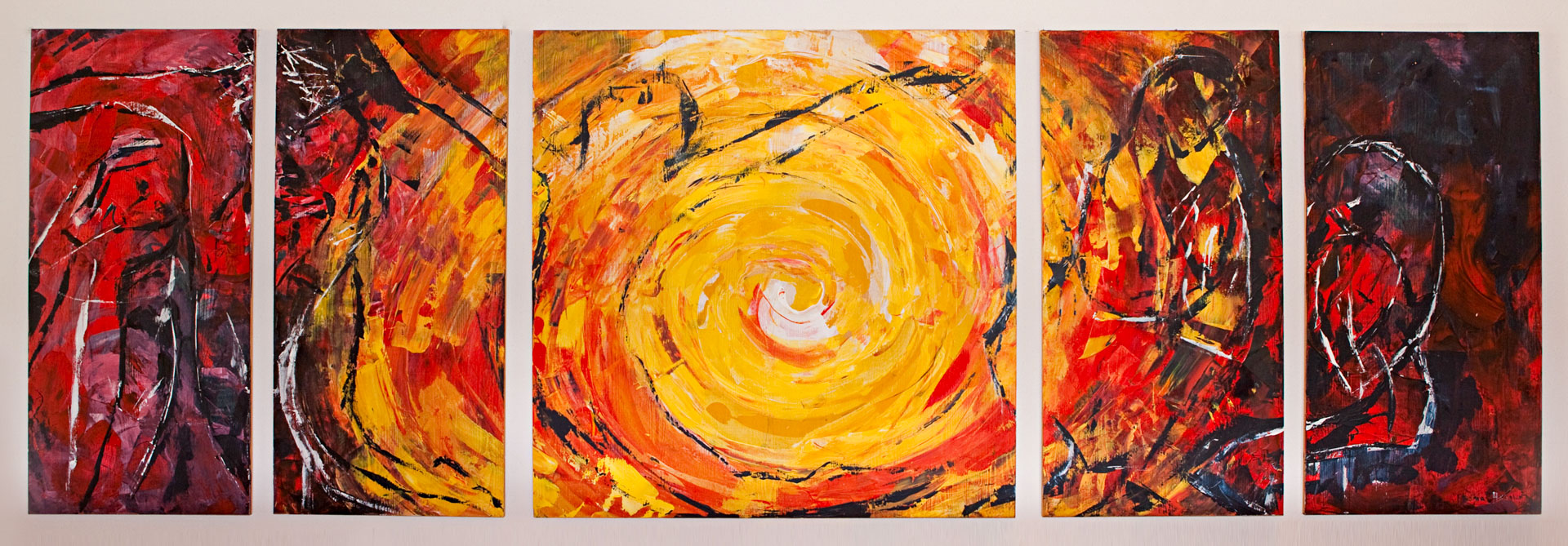
Auferstehungsbild
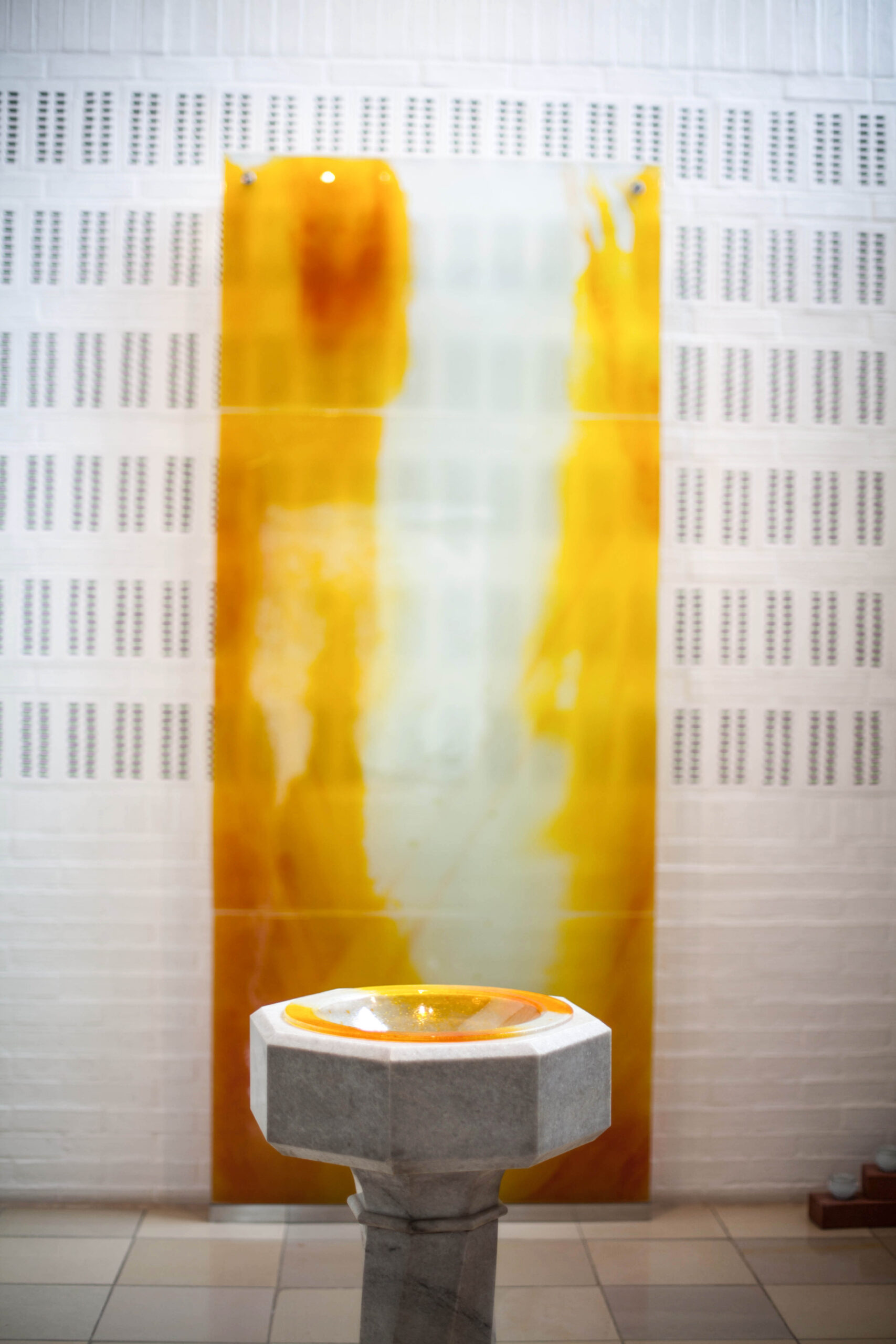
Taufkapelle
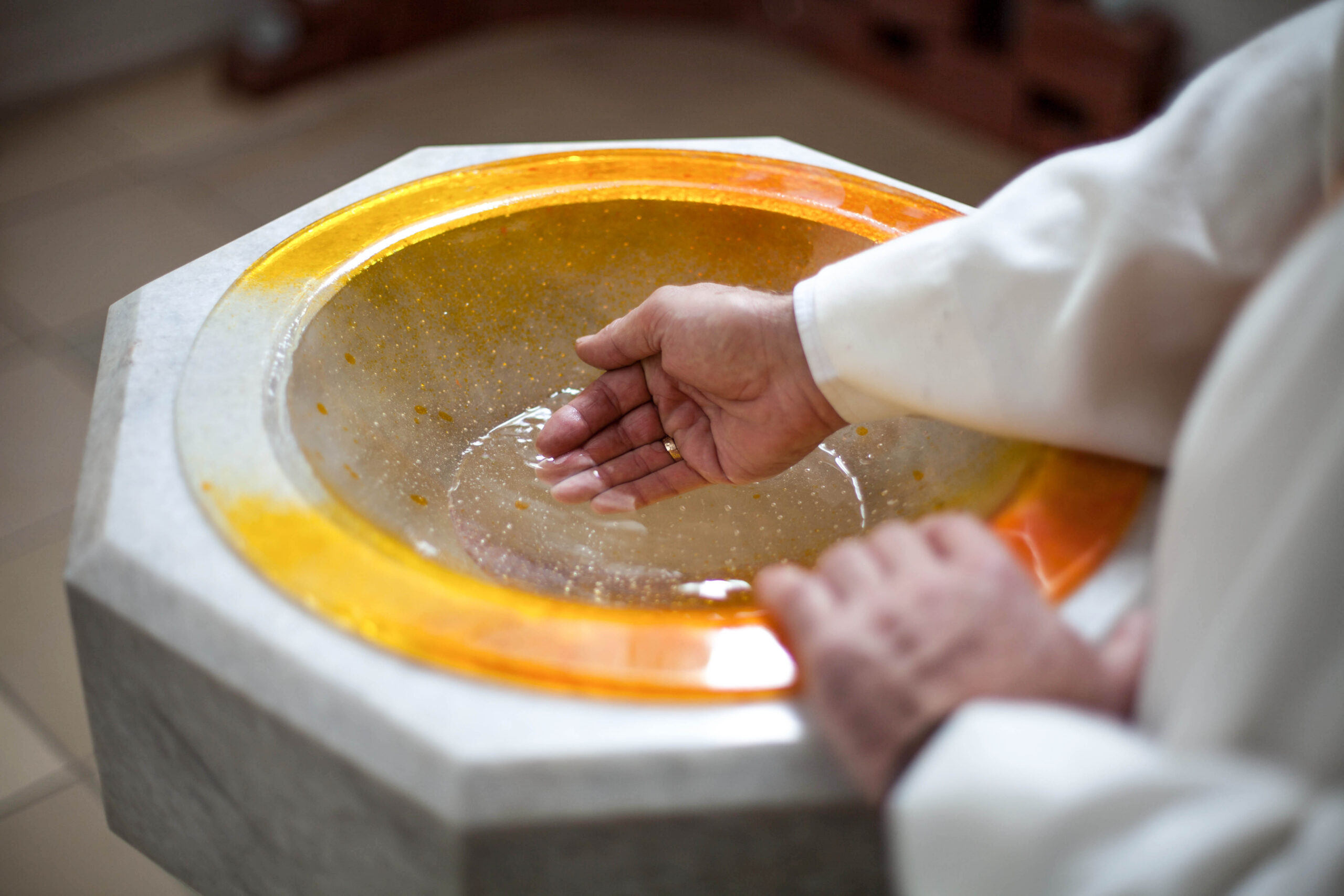
Taufkapelle_2
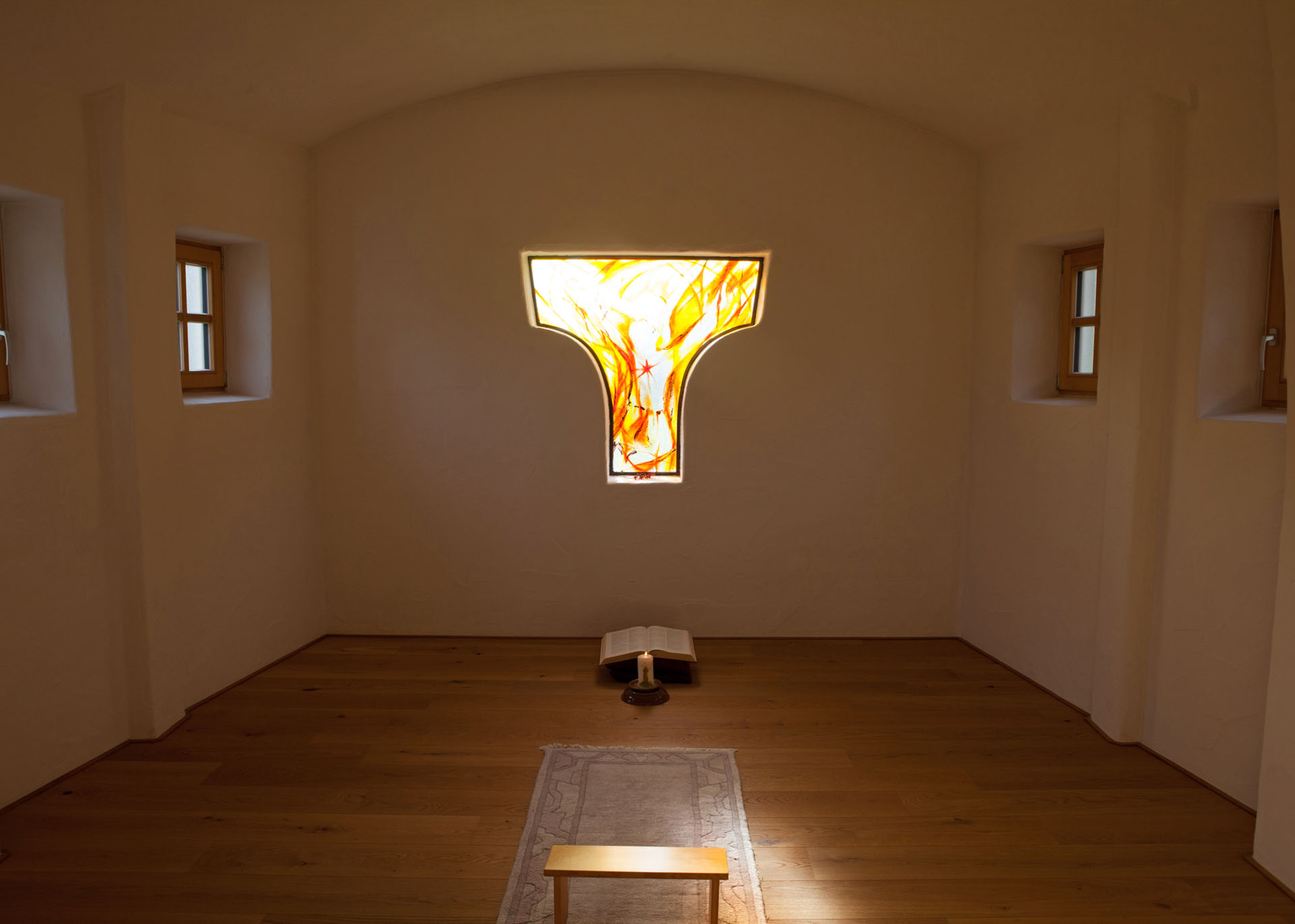
Franziskusklause
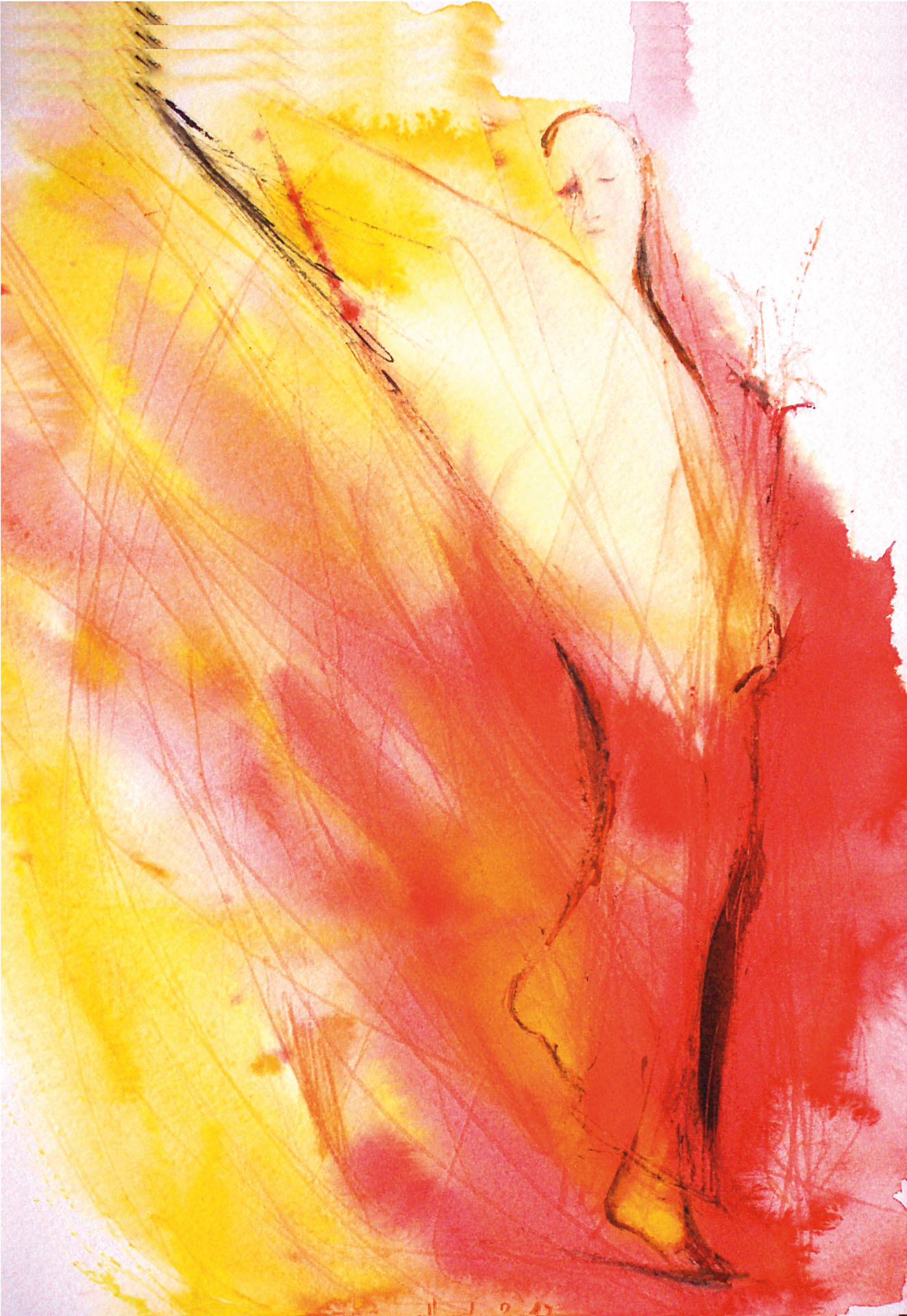
Friedensengel
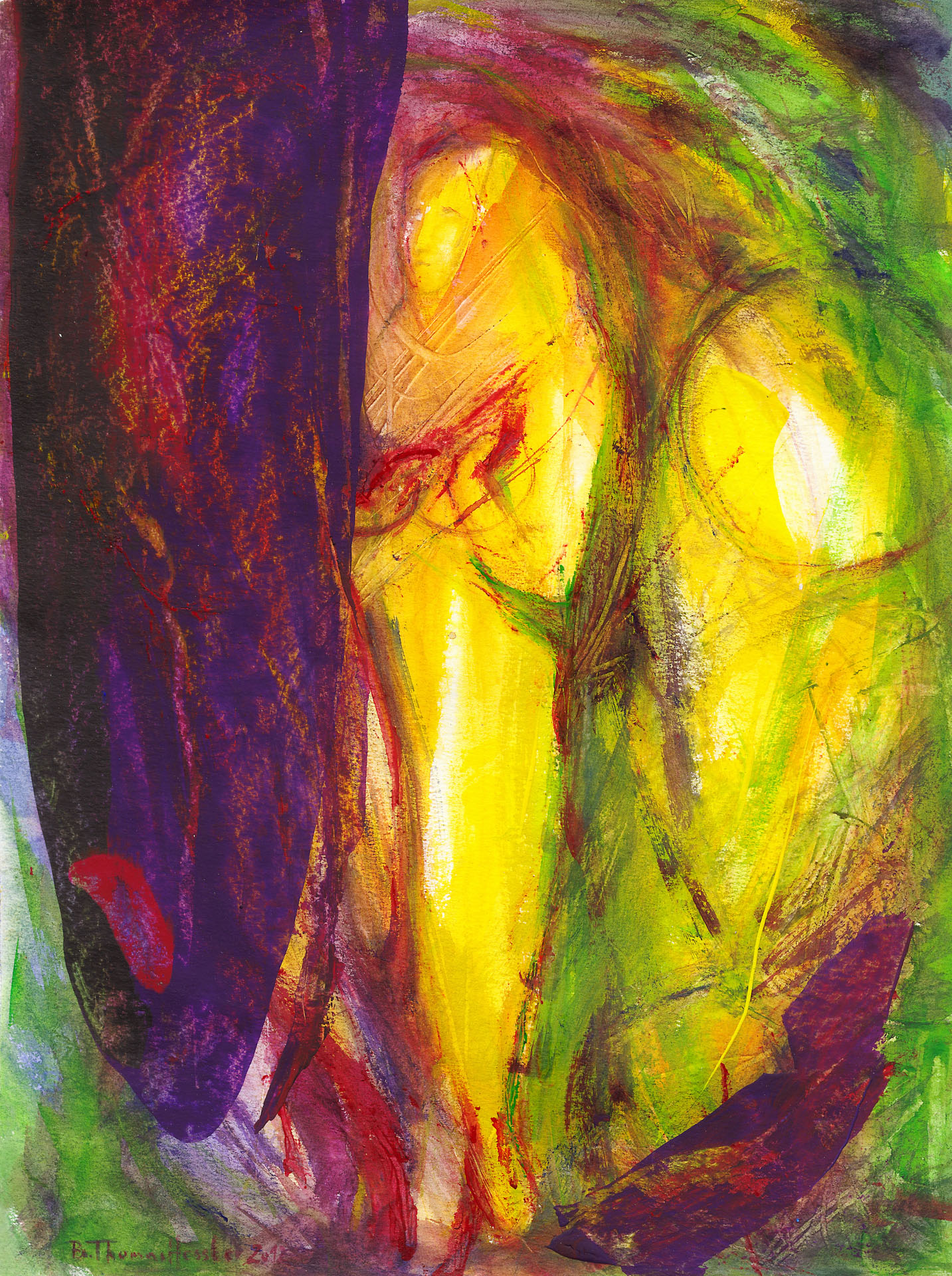
4202
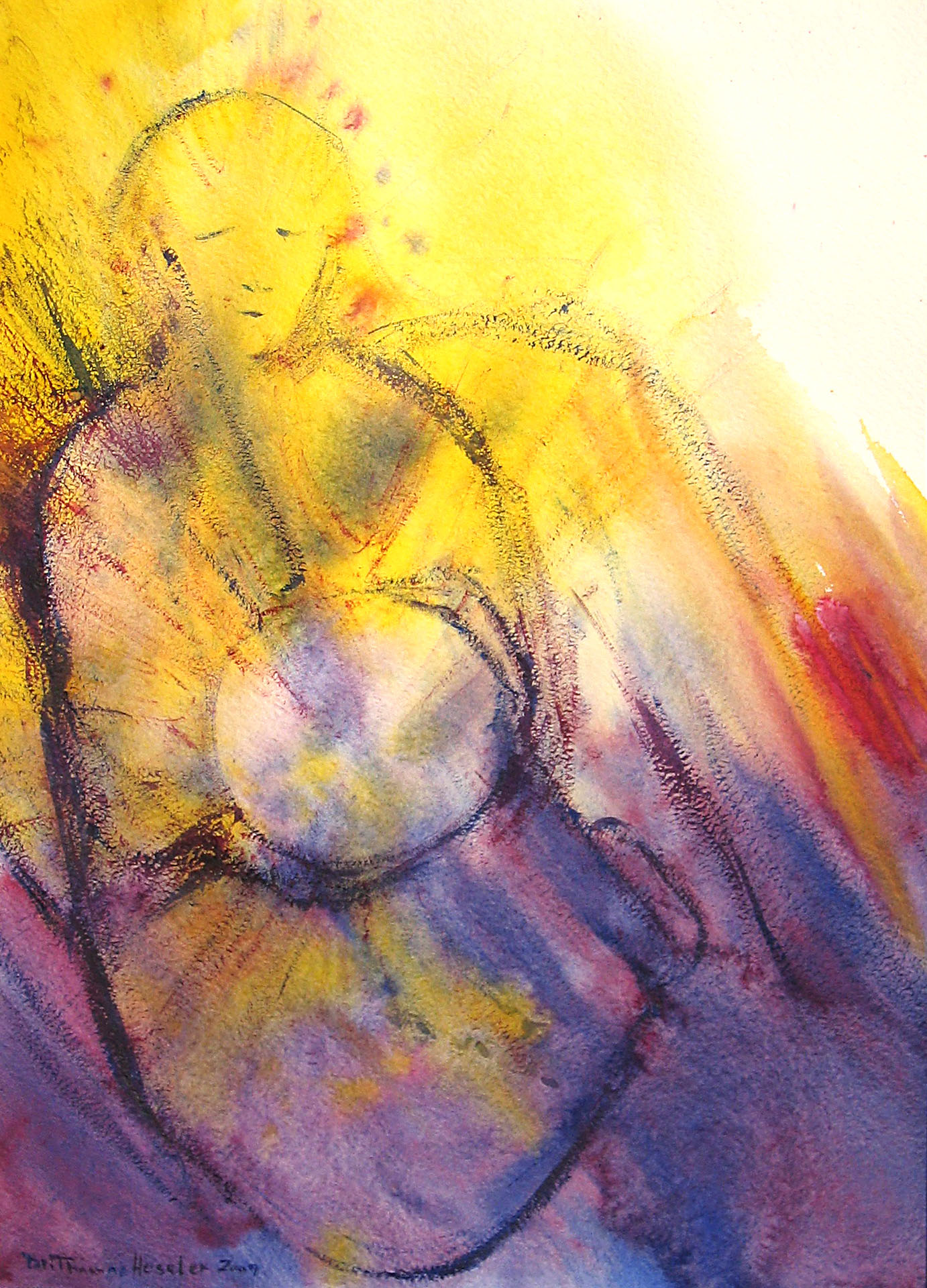
4209
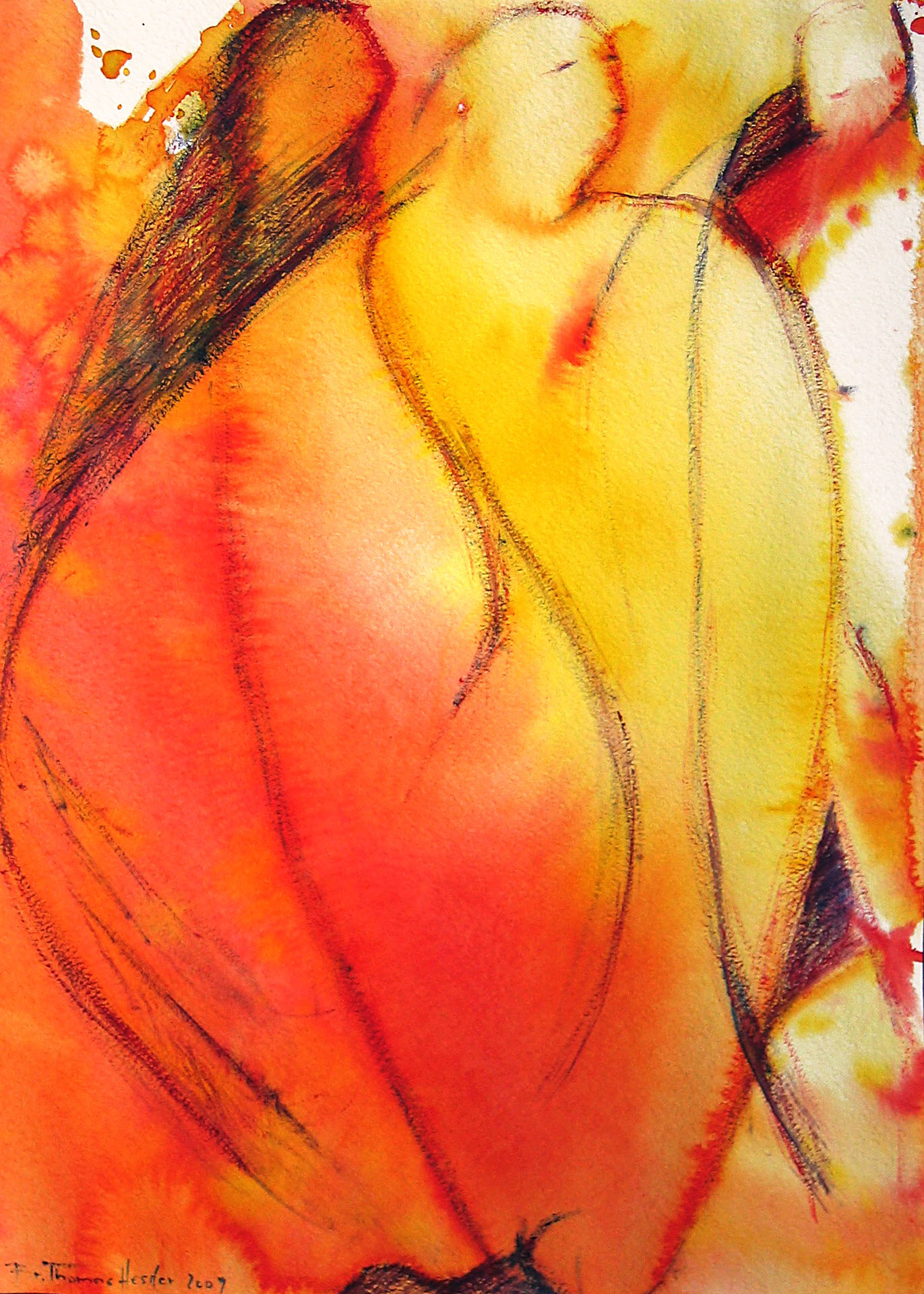
4210
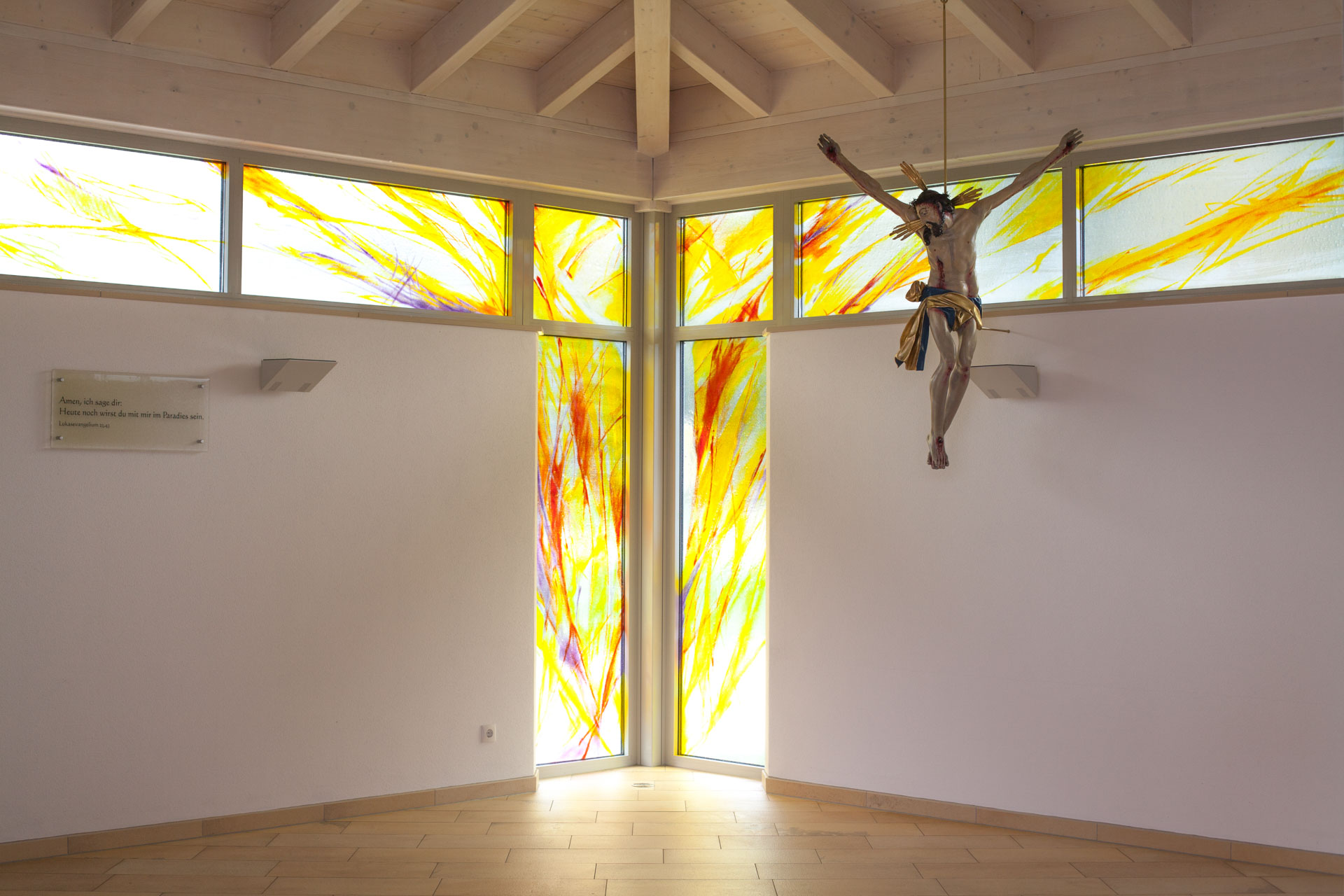
Aussegnungshalle
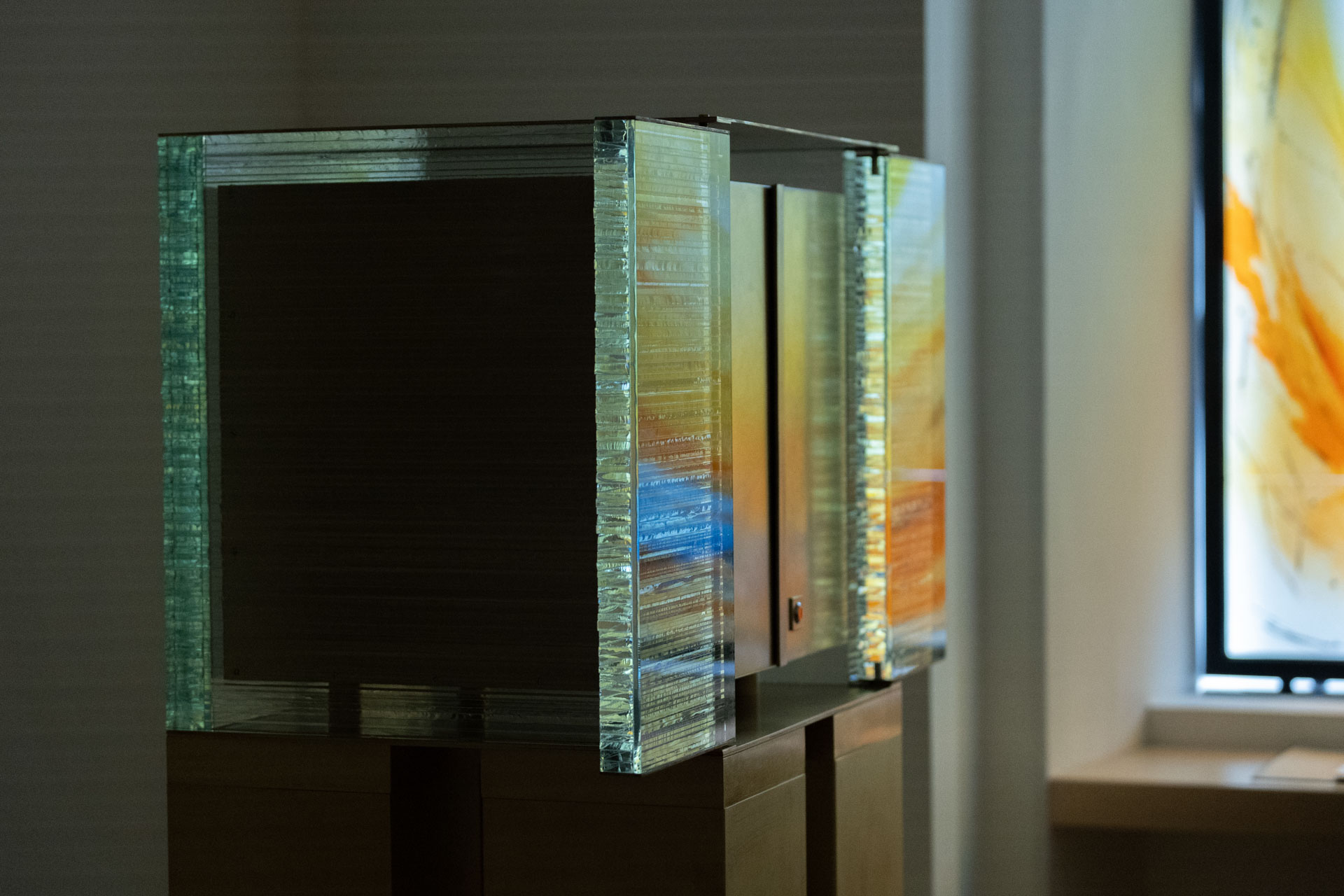
Kapelle Stift Admont
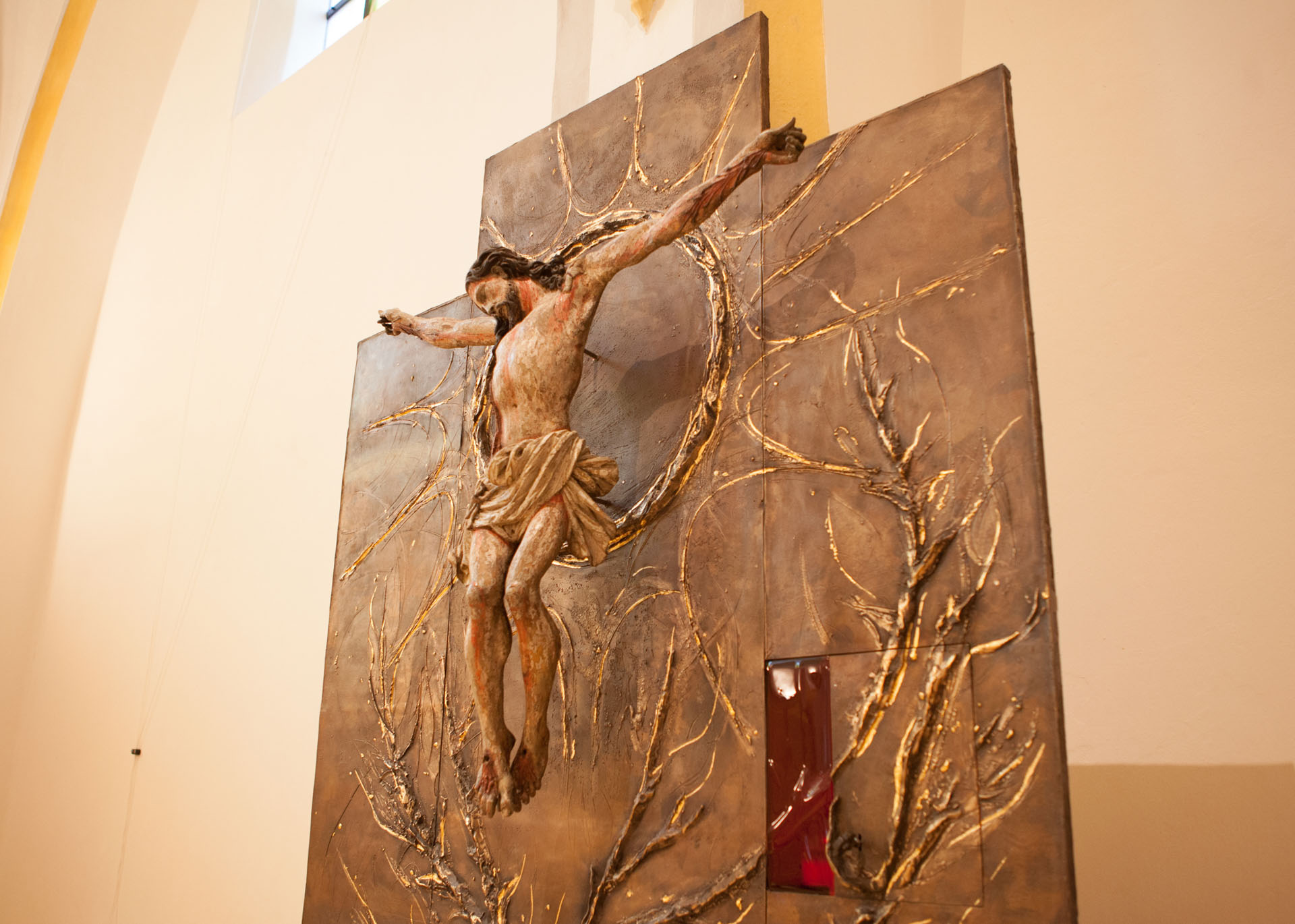
Chorkapelle_2
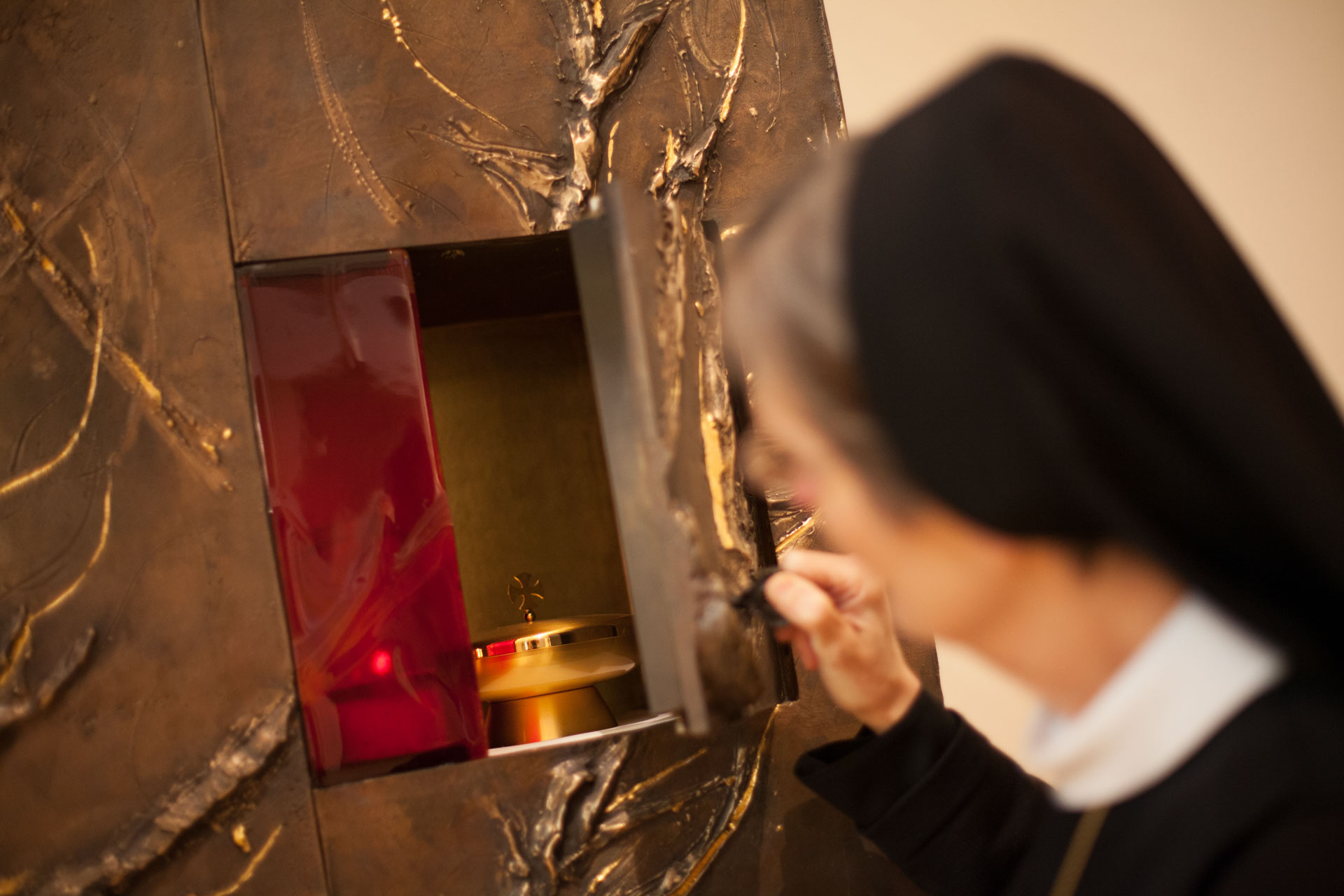
Chorkapelle
Kapelle Marienschwestern_2
Br Thomas
Kapelle Marienschwestern
Franziskusschule Ried
5 julho 2026
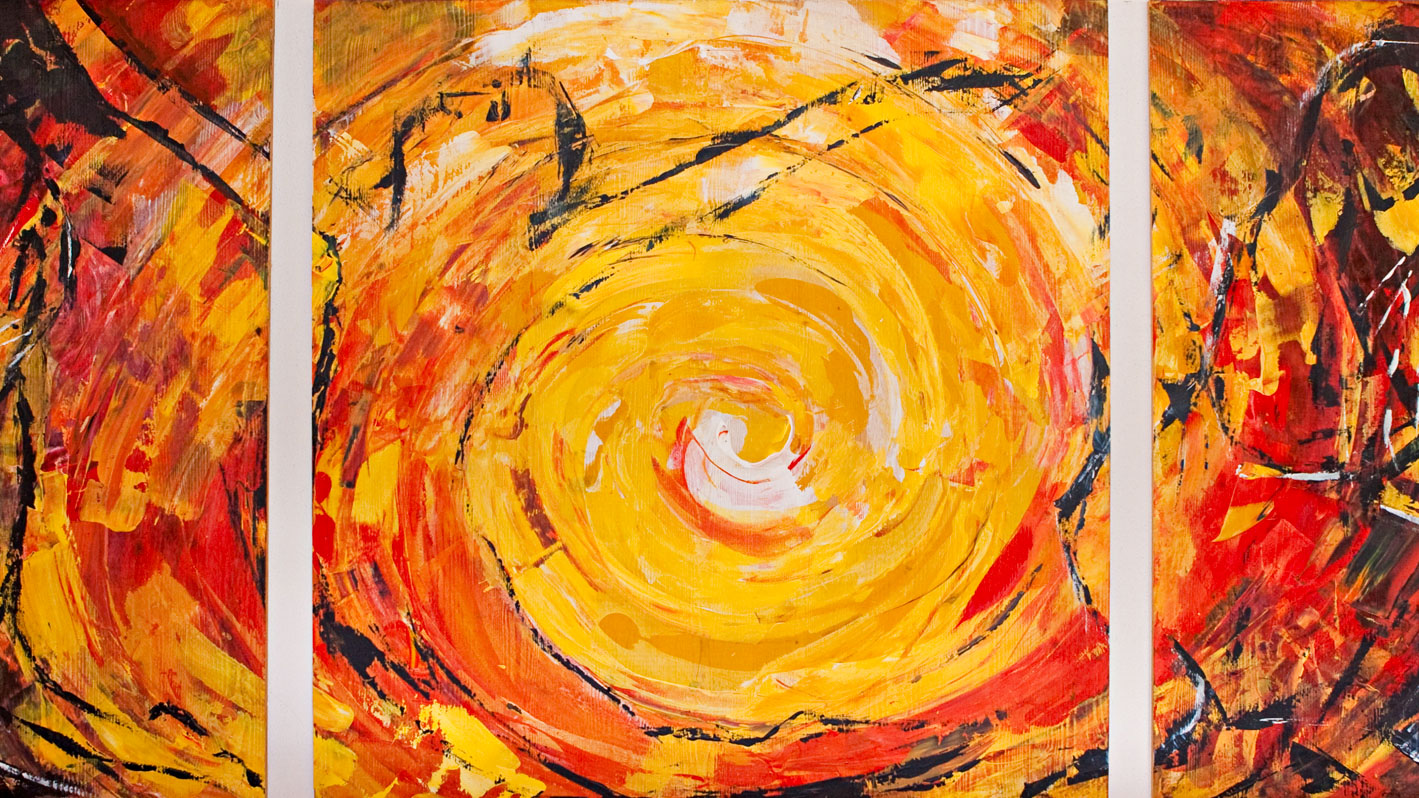
As part of an ongoing look at Benedictine artists worldwide, the creative life of Brother Thomas Hessler OSB offers a distinctive model of how artistic practice can merge with monastic leadership. Since his election at the end of 2024, Br. Thomas has led Austria’s youngest Benedictine community as Prior of Europakloster Gut Aich in Saint Gilgen am Wolfgangsee. Instead of viewing his administrative duties and his visual art as competing vocations, he sees them as deeply integrated expressions of the same monastic charism, shaped by a community ethos that balances local action with global awareness.
This integrated approach is the result of a long and deliberate personal journey. Br. Thomas first recognised his monastic vocation at the age of 14 during a youth event in the old Baroque church in Reichersberg am Inn. Although he entered the monastery immediately after completing his schooling, he soon realised that this was premature. He left at 21 to study theology in Salzburg and Mainz, while simultaneously qualifying as a practitioner of natural medicine. At 25, he returned to monastic life to co-found Europakloster Gut Aich in 1993, though he went through further phases of deep personal searching regarding intimacy and mortality before finally finding his identity as a monk at the age of 41. Remarkably, he chose not to be ordained as a priest due to his disagreement with ecclesiastical structures that disadvantage women.
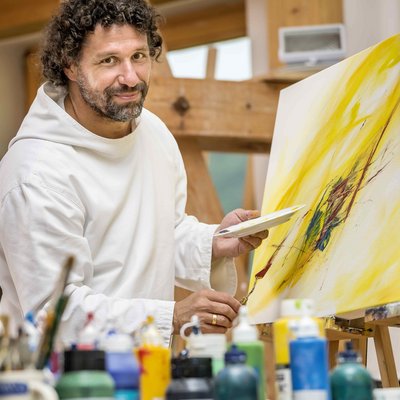
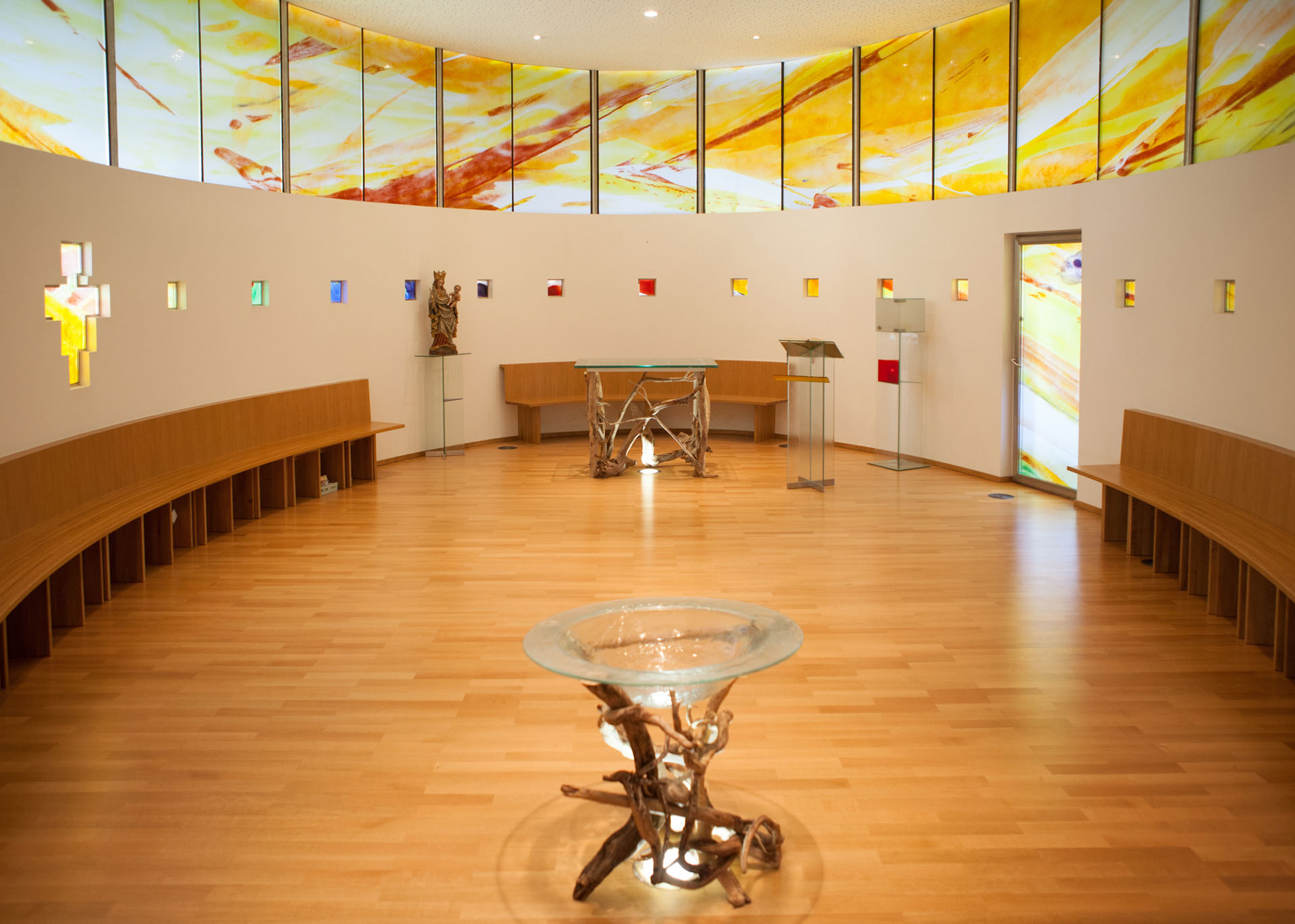
At Gut Aich, Br. Thomas has maintained his own art studio since 1996 and has directed the monastery’s art workshops since 2011. His portfolio, which includes paintings and stained glass, is woven directly into the daily life of the community. In the Benedictine tradition lived at the monastery, the conventional boundary between work and leisure does not exist. Manual labour such as washing, cleaning, gardening and daily duties is balanced with communal prayer, silent meditation and quiet meals. Br. Thomas insists that monastic life demands total mindfulness in every task. He teaches that monks should treat all everyday tools and objects as if they were sacred altar vessels.
This artistic mindfulness directly influences his leadership philosophy, particularly in how he navigates the tension between gravity and lightness. Br. Thomas acknowledges the seriousness of current global challenges such as environmental crises and political polarisation. Yet, drawing on the insights of the community’s oldest member, 98-year-old Br. David Steindl-Rast, he emphasises the spiritual necessity of a playful, creative lightness. To illustrate this, he points to Br. David’s observation that while vacuuming serves a practical purpose, it only becomes truly meaningful when one begins to dance with the vacuum cleaner. For Br. Thomas, art and creative play provide this essential sense of life-affirming lightness amidst the chaos of the world.
Managing the practical dimensions of Europakloster Gut Aich requires a leadership style rooted in presence rather than bureaucratic distance. From an initial group of three founding brothers, the monastery has grown to a community of nine monks. This core community directs a considerable network of 150 people, including 40 external staff, volunteers and support associations who operate the Hildegard Centre (an outpatient clinic for physiotherapy, osteopathy, therapeutic massage and psychotherapy), a monastery farm store, a monastic shop and the art workshops. Br. Thomas believes that a Prior must remain completely approachable, breaking down traditional hierarchies and routinely taking his turn in the kitchen or serving meals alongside the staff.
While the monastery undergoes a series of major structural developments planned between 2026 and 2028 – including the construction of a wood-chip heating plant, new production facilities and a form of assisted living for the elderly – Br. Thomas’s leadership remains focused on spiritual resilience. The community lives according to the traditional vows of stability, flexibility and mutual listening. For leaders across the Benedictine Confederation, the synthesis of artistic practice and administrative management at Europakloster Gut Aich provides a compelling example of how a modern monastery can remain firmly anchored in ancient tradition while responding dynamically to today’s world.
The Prior’s Atelier: How Art and Mindfulness Shape Leadership at Europakloster Gut Aich
Rumo ao Jubileu: Construindo a Rede Global
Mantendo a fidelidade em tempos de guerra
Novo Conselho Consultivo Reúne-se em Sant’Anselmo com Foco no Monaquismo Global
Ananie 2025: Formação de Língua Francesa para Formadores e Líderes
Estudantes do Instituto Monástico encontram a tradição monástica oriental na Romênia