
Building for the Liturgy: The Living Legacy of Gabriel Chávez de la Mora OSB
A monk of the Abbey of Santa María de Guadalupe in Tepeyac, Father Gabriel Chávez de la Mora OSB was a seminal figure in the renewal of contemporary sacred architecture and liturgical art in Mexico.
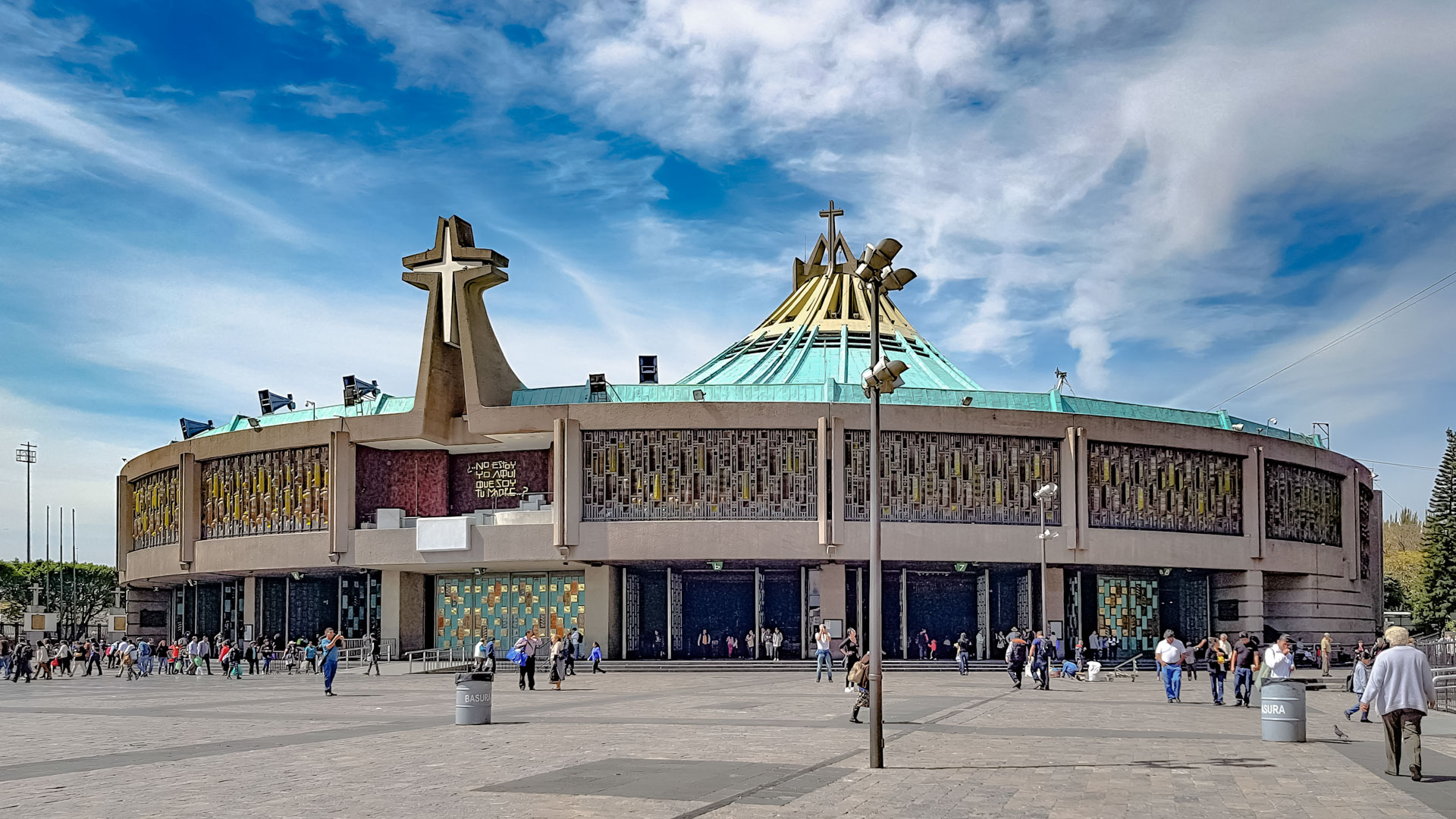
Basílica de Santa María de Guadalupe 2018, By Drkgk - Own work, CC0
11 Maggio 2026
The Benedictine tradition has long held that the monastery is a school for the service of the Lord, but for Father Gabriel Chávez de la Mora OSB, it was also a workshop for the renewal of the sacred. A monk of the Abbey of Santa María de Guadalupe in Tepeyac, Mexico, Fr. Gabriel’s death in December 2022 marked the end of a remarkable seven-decade career that seamlessly integrated the precision of the architect with the humility of the Benedictine artisan. His work, which remains a primary reference for the implementation of the Second Vatican Council’s liturgical reforms, stands as a testament to the Benedictine ideal of beauty in simplicity.
Born in Guadalajara in 1929, Fr. Gabriel was the first graduate of the University of Guadalajara’s School of Architecture. Upon entering the Monastery of Santa María de la Resurrección in Cuernavaca in 1955, he initially intended to set aside his professional training to embrace a life of hidden manual labour. However, his superiors recognised his gift, and he was soon tasked with designing the monastery’s chapel. This project became a laboratory for what he termed "religious functionalism", moving the altar to the centre of the community and stripping away unnecessary ornamentation to focus the assembly on the Paschal Mystery.
Fr. Gabriel is perhaps most widely known for his collaboration with Pedro Ramírez Vázquez on the new Basilica of Our Lady of Guadalupe in Mexico City. Completed in 1976, the circular, tent-like structure was designed to accommodate up to 10,000 pilgrims, ensuring that every person within the nave possessed an unobstructed view of the Tilma of Saint Juan Diego. His architectural philosophy was never merely aesthetic; it was profoundly pastoral. He sought to create "spaces of encounter" where the architecture facilitated the active participation of the faithful rather than serving as a static backdrop to ritual.
His influence extended far beyond the structural. In Cuernavaca, he founded the Emaús workshops, where he applied his design sensibilities to every element of the liturgical environment. From the iconic typography he developed—now ubiquitous in Mexican ecclesiastical design—to chalices, vestments, and mosaics, Fr. Gabriel treated the smallest vessel with the same theological rigour as a cathedral. His work reached a global audience when the Emaús workshops were commissioned to design the participation medals for the 1968 Summer Olympic Games in Mexico City, a rare bridge between the cloister and the secular sporting world.
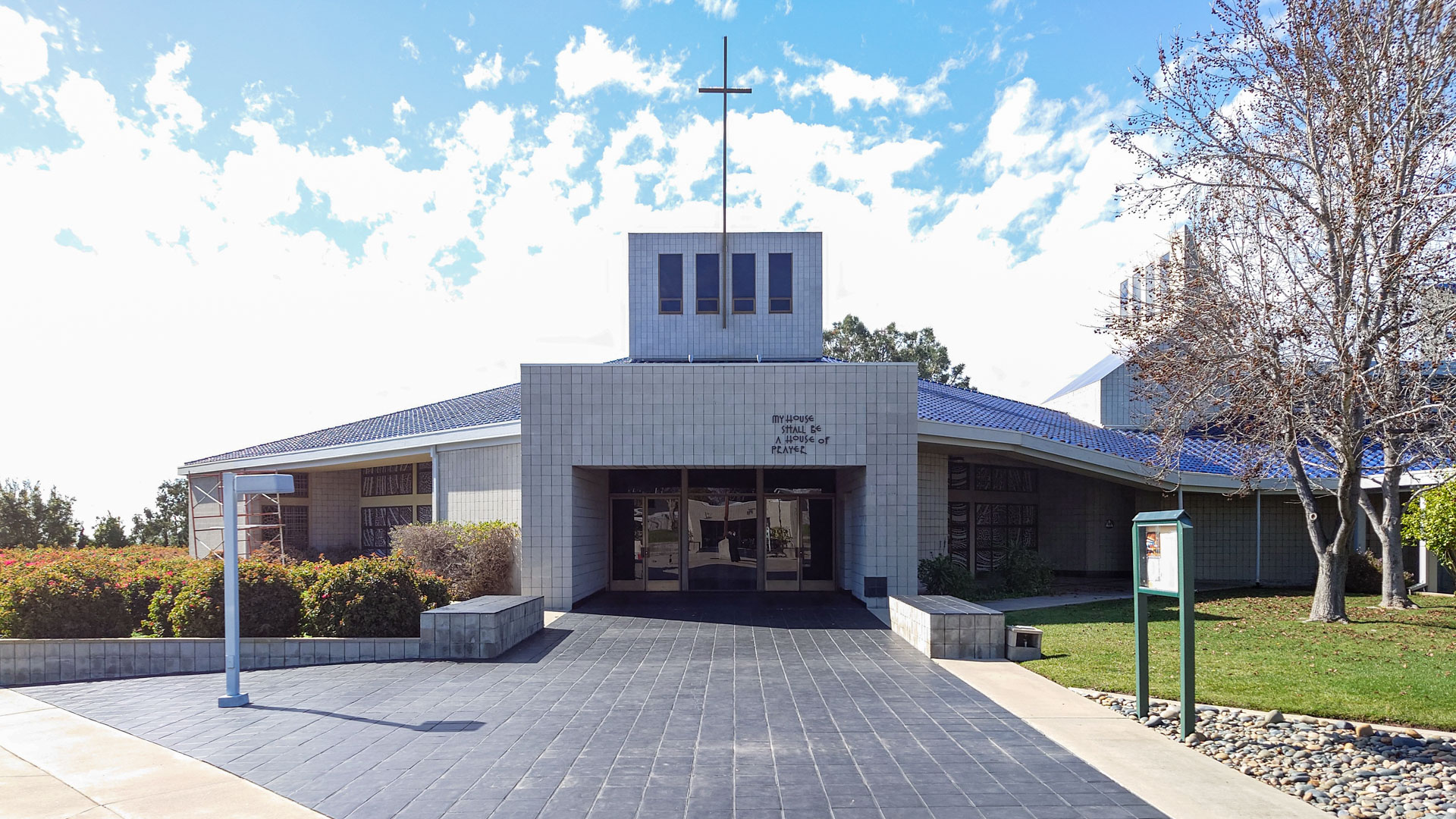
In his later years, Fr. Gabriel remained a vital presence at the Abbey of Tepeyac, continuing to work until the very end of his life. His portfolio includes more than 175 projects, ranging from the restoration of the Cathedral of Cuernavaca to the design of the Prince of Peace Abbey in California. In 2020, he was awarded Mexico’s National Architecture Prize, a rare honour for a religious, yet his demeanour remained that of the humble monk described in Chapter 57 of the Rule: an artisan who exercises his art with all humility.
For the Benedictine Confederation, the life of Fr. Gabriel serves as a reminder of the unique contribution monastic communities make to the cultural and spiritual life of the Church. His ability to translate the ancient wisdom of the Rule into a modern architectural language has left an indelible mark on the landscape of faith. As we look to the future of our own monasteries and liturgical spaces, his work remains a guide for creating environments that are at once contemporary and deeply rooted in the Benedictine heart.
Saint Hildegard of Bingen Inspires Holy See Pavilion at Venice Biennale
-
Building for the Liturgy: The Living Legacy of Gabriel Chávez de la Mora OSB
Come le suore benedettine ‘esperte di tecnologia’ aiutano le comunità religiose a riconnettersi
Nuova fondazione benedettina in Tanzania: un altro luogo di speranza
Da Norcia a Montecassino: iniziano le celebrazioni del Giubileo benedettino
Fr. Lukas del Priorato di Nütschau guida la preghiera al Bundestag