
BCC Meeting Addresses Complex Realities for the Church in China, Seeks Paths of Unity
The Benedictine Commission on China (BCC) met in Rome, addressing the complexities of pastoral work in the current situations. Discussions centered on unity, discreet accompaniment and continued support for the Church in China.
9 mars 2026
Fr. Luke Hsu OSB
BCC Secretary
Wimmer Priory
New Taipei City, Taiwan
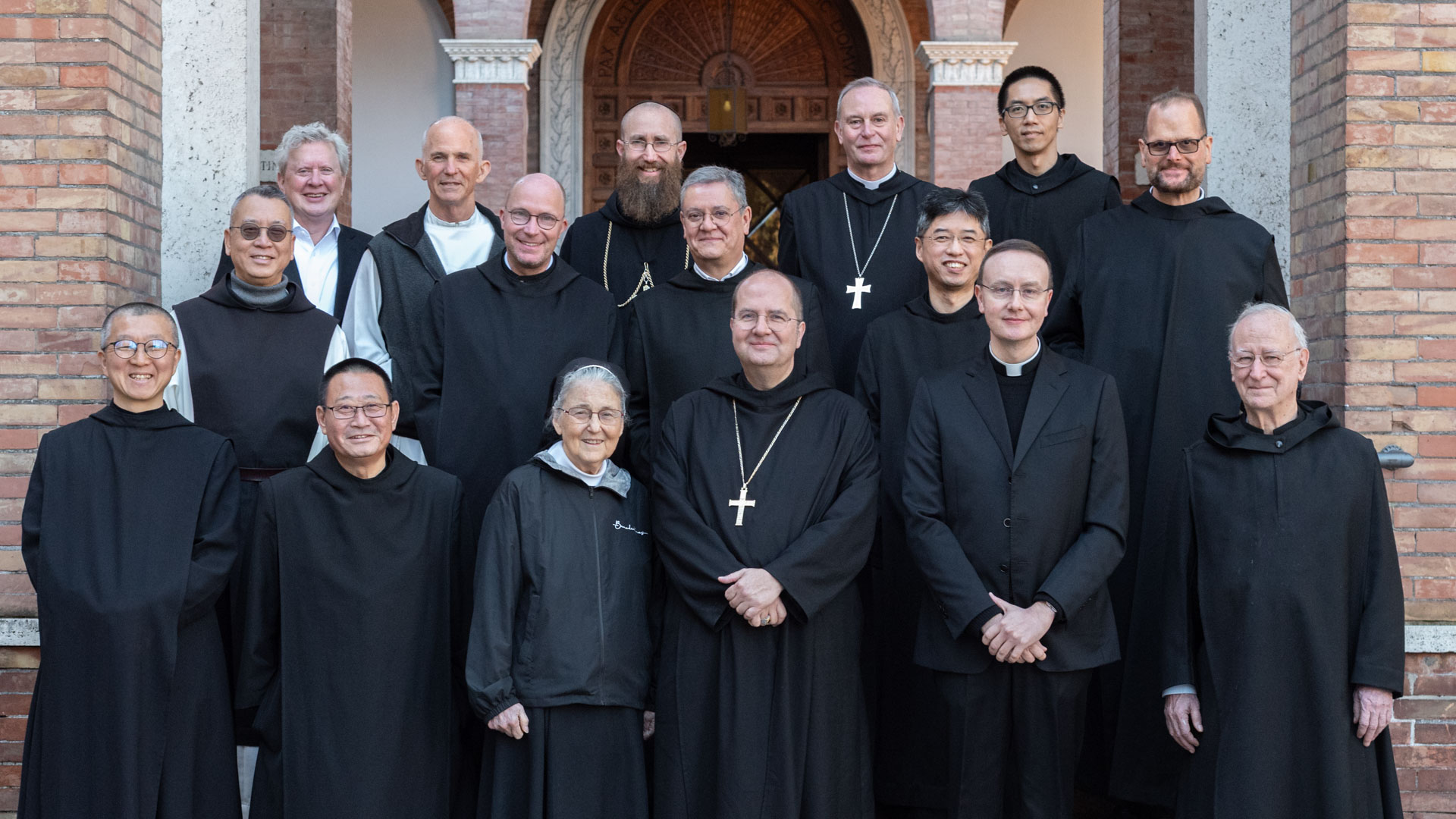
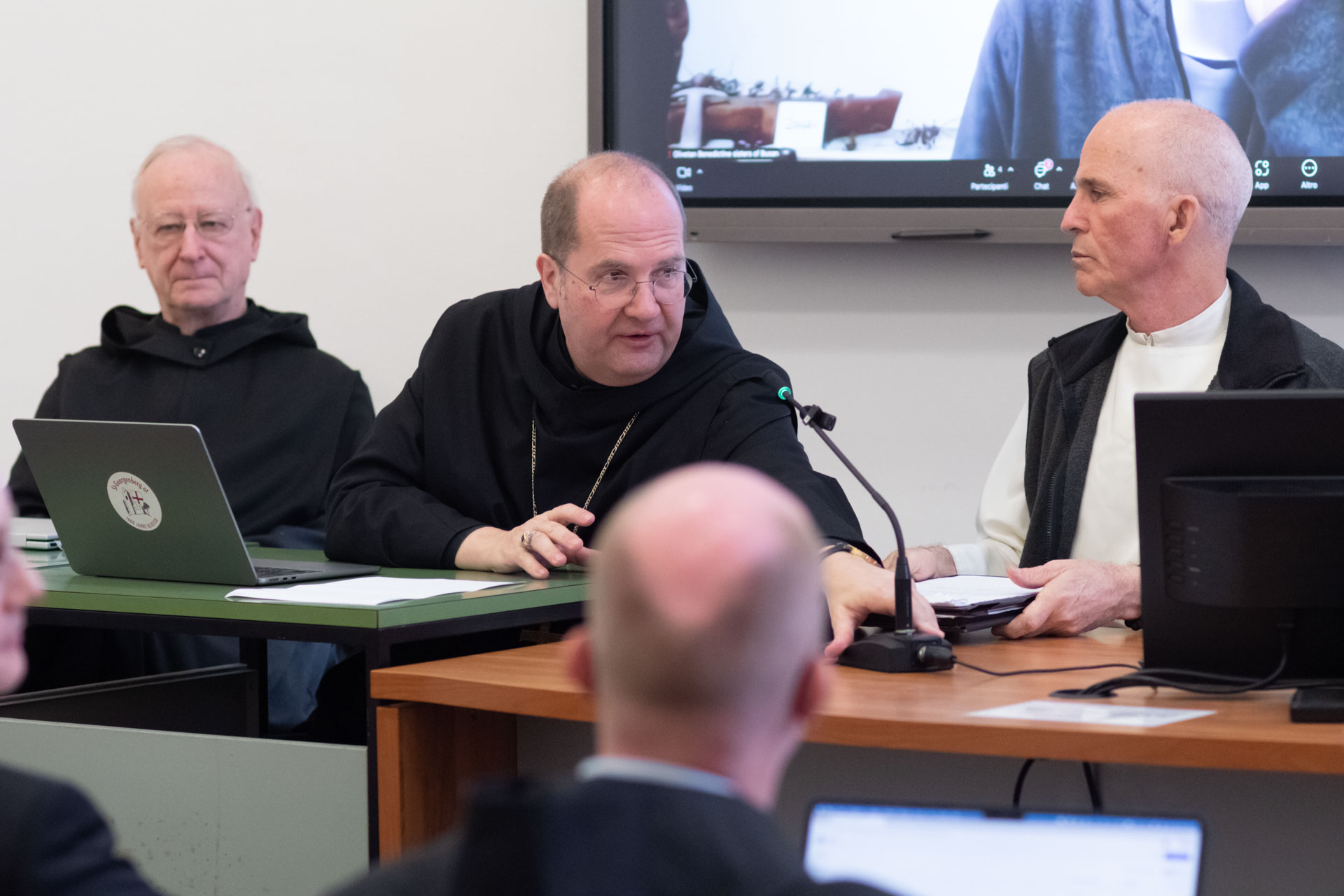
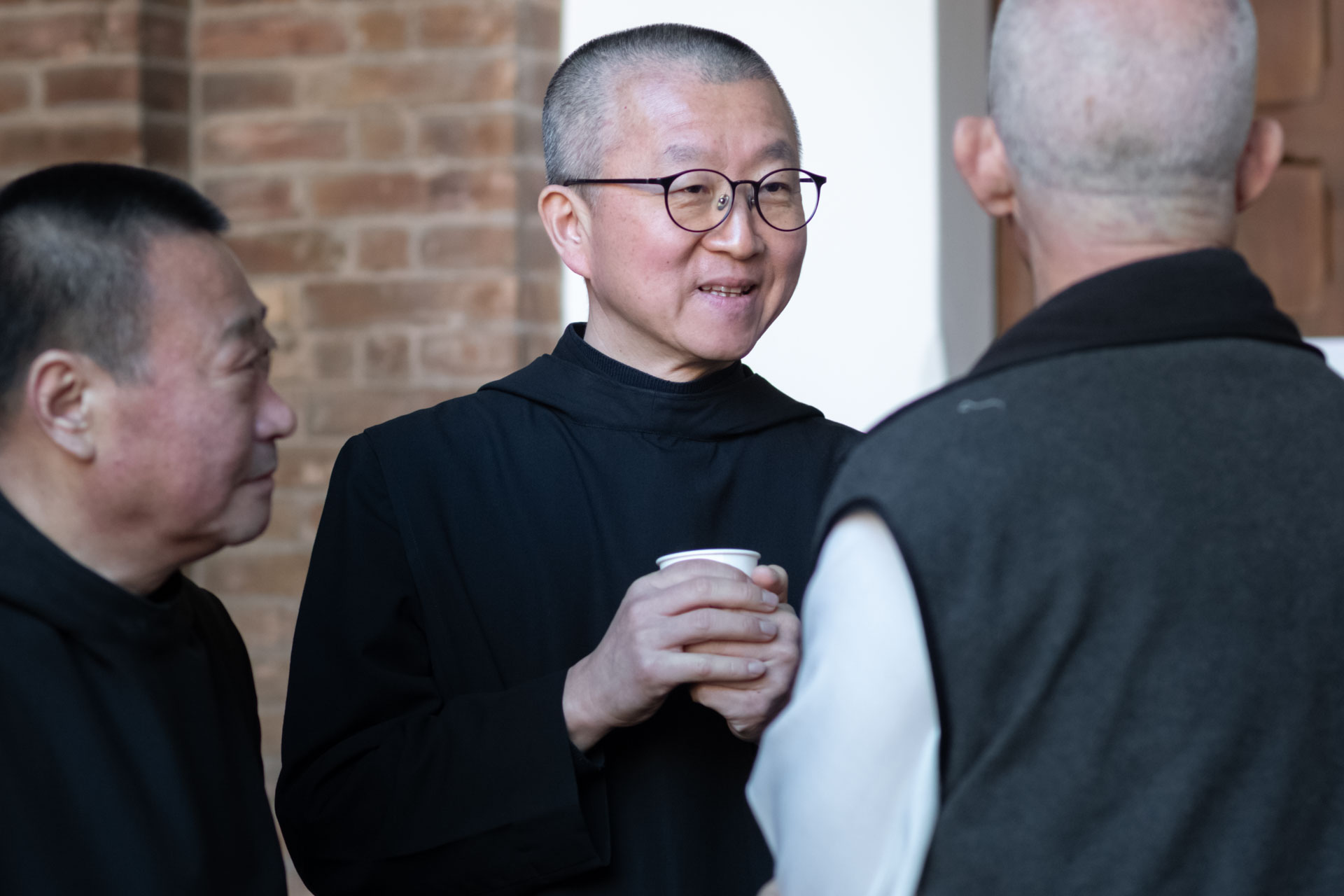
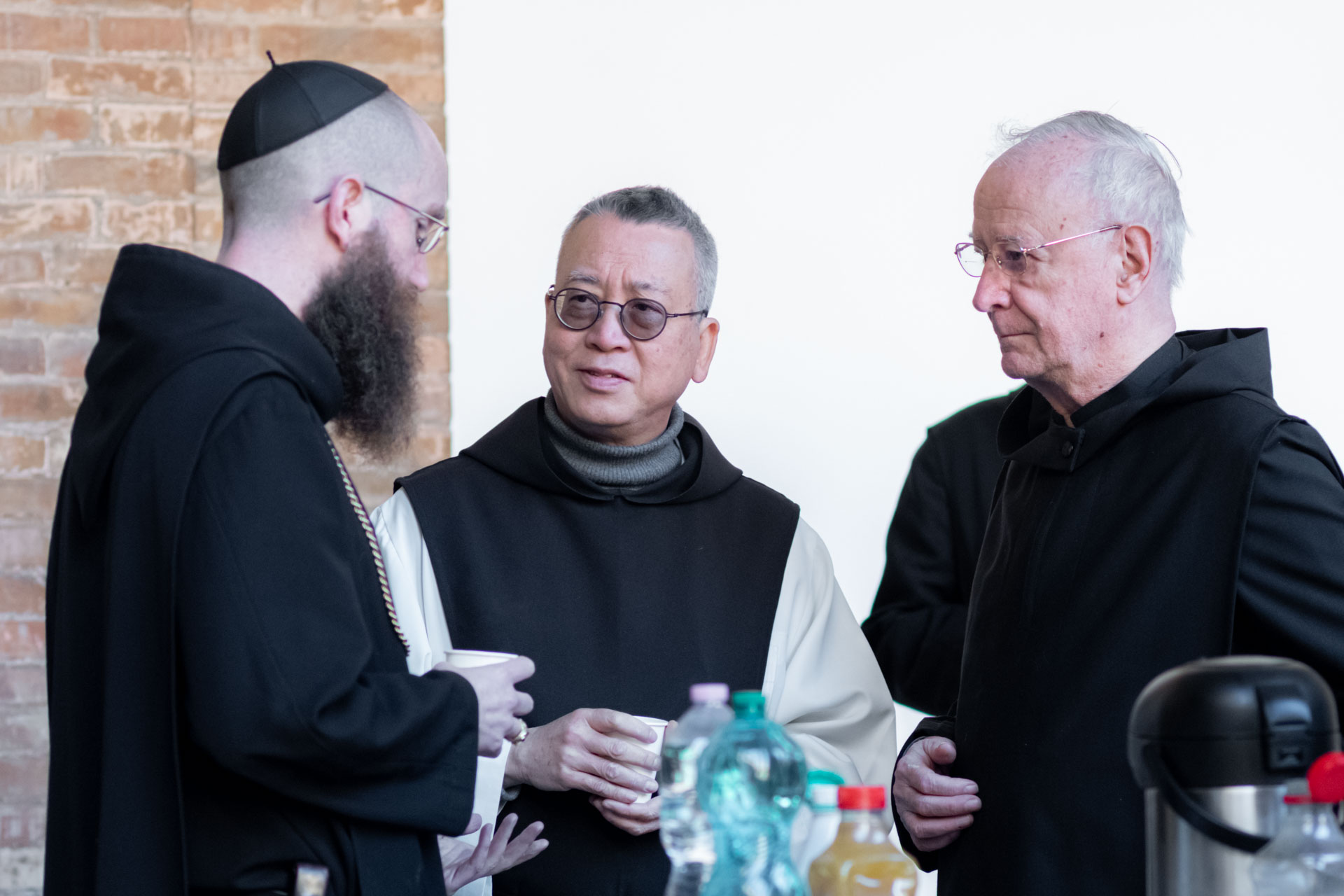
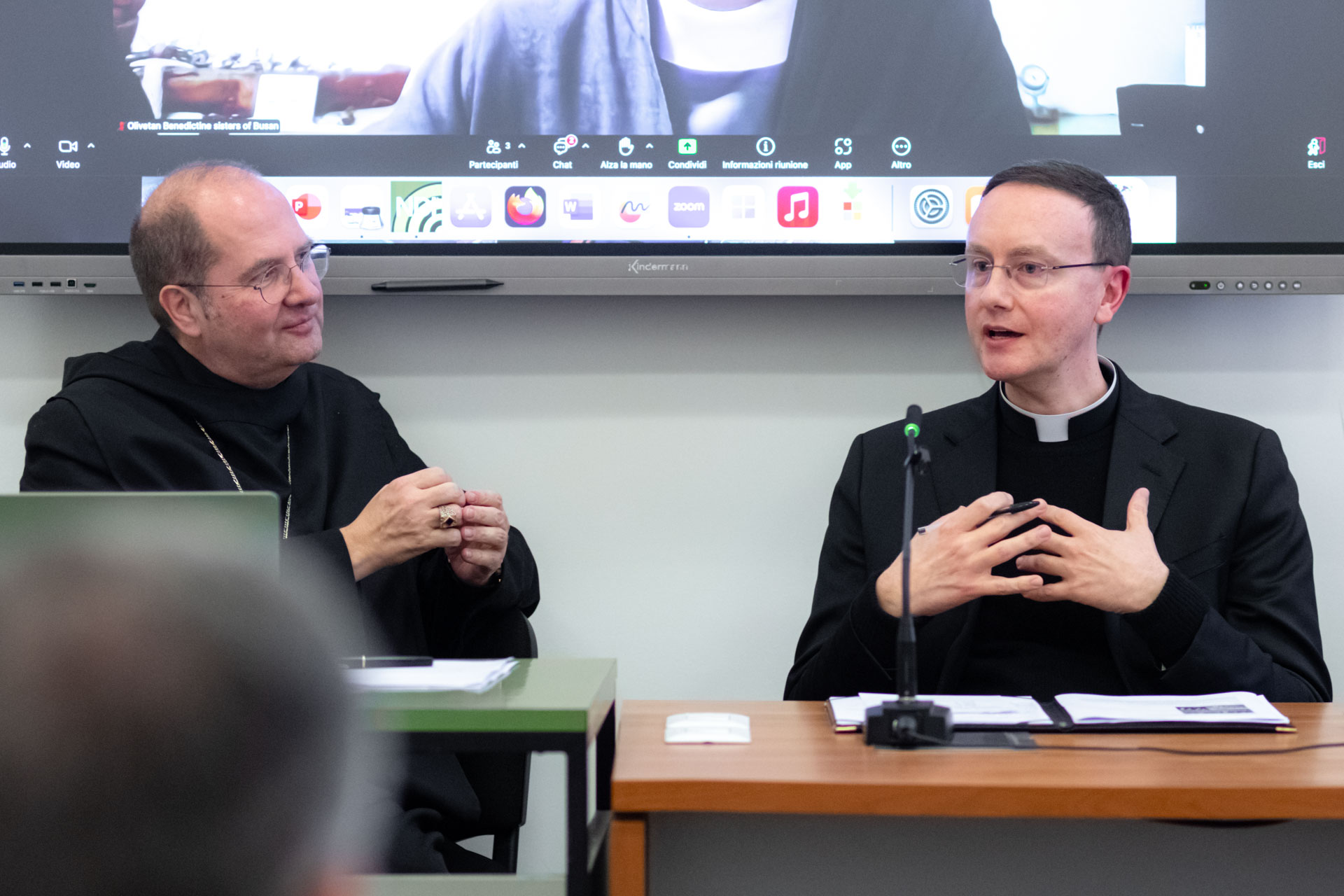
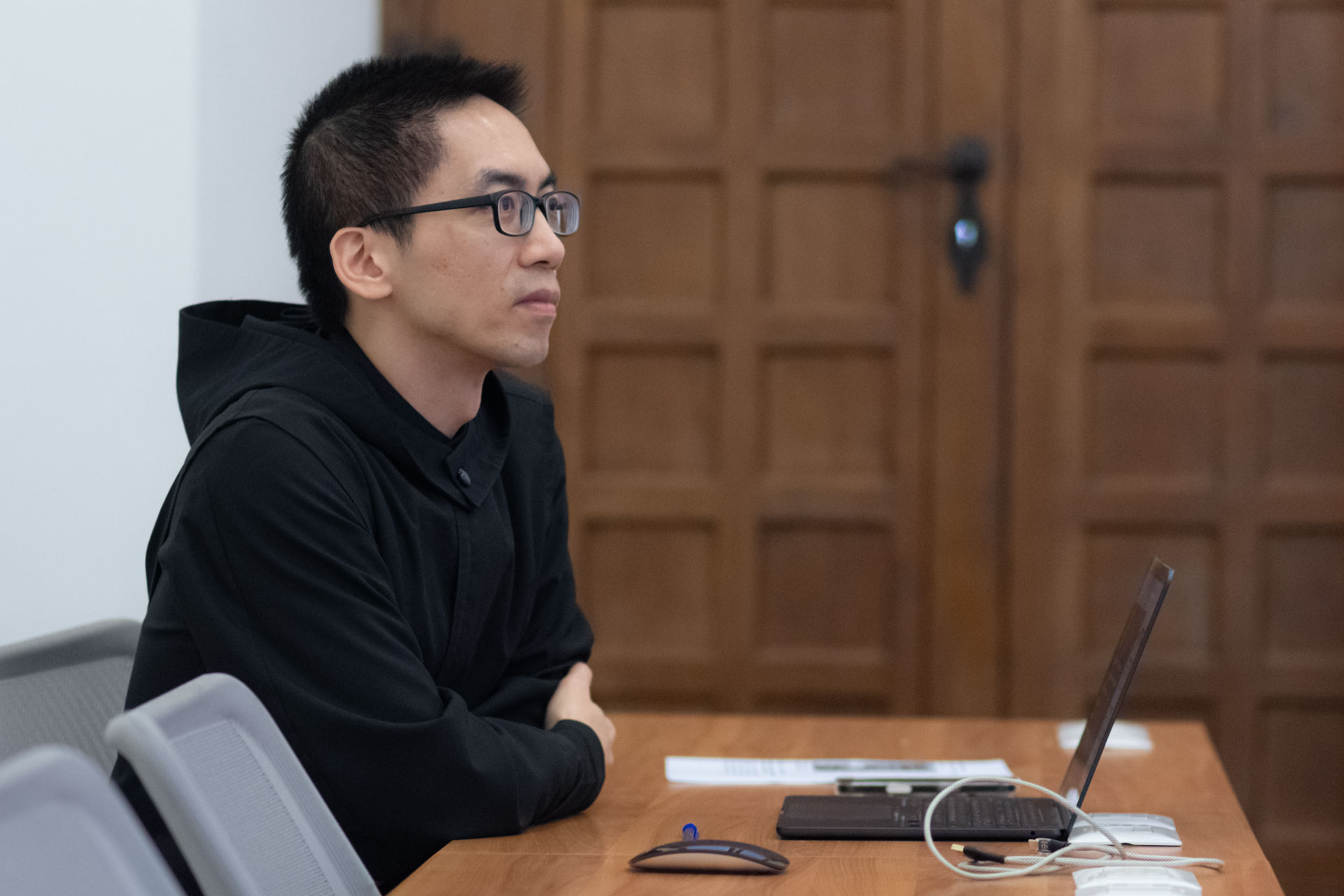
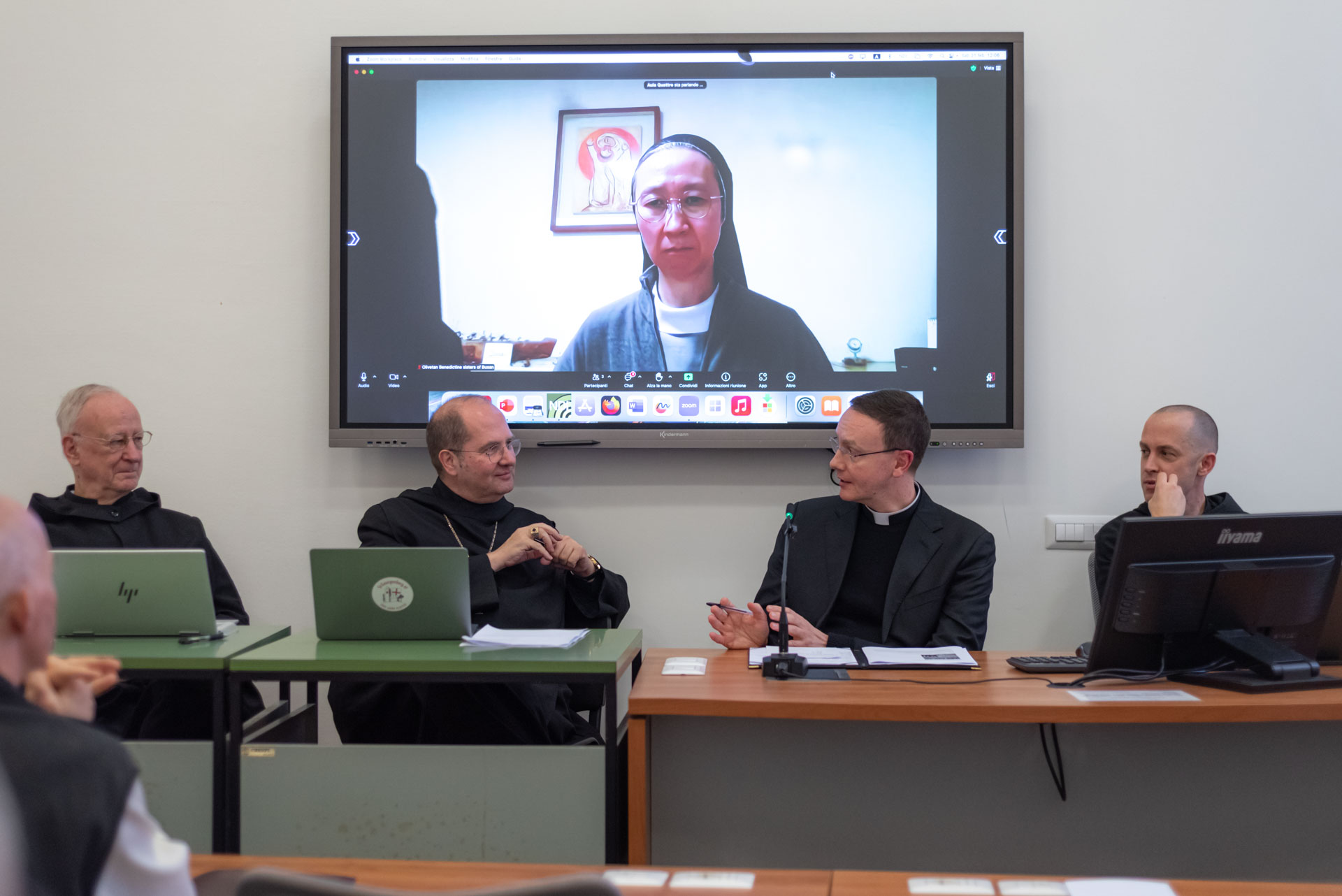
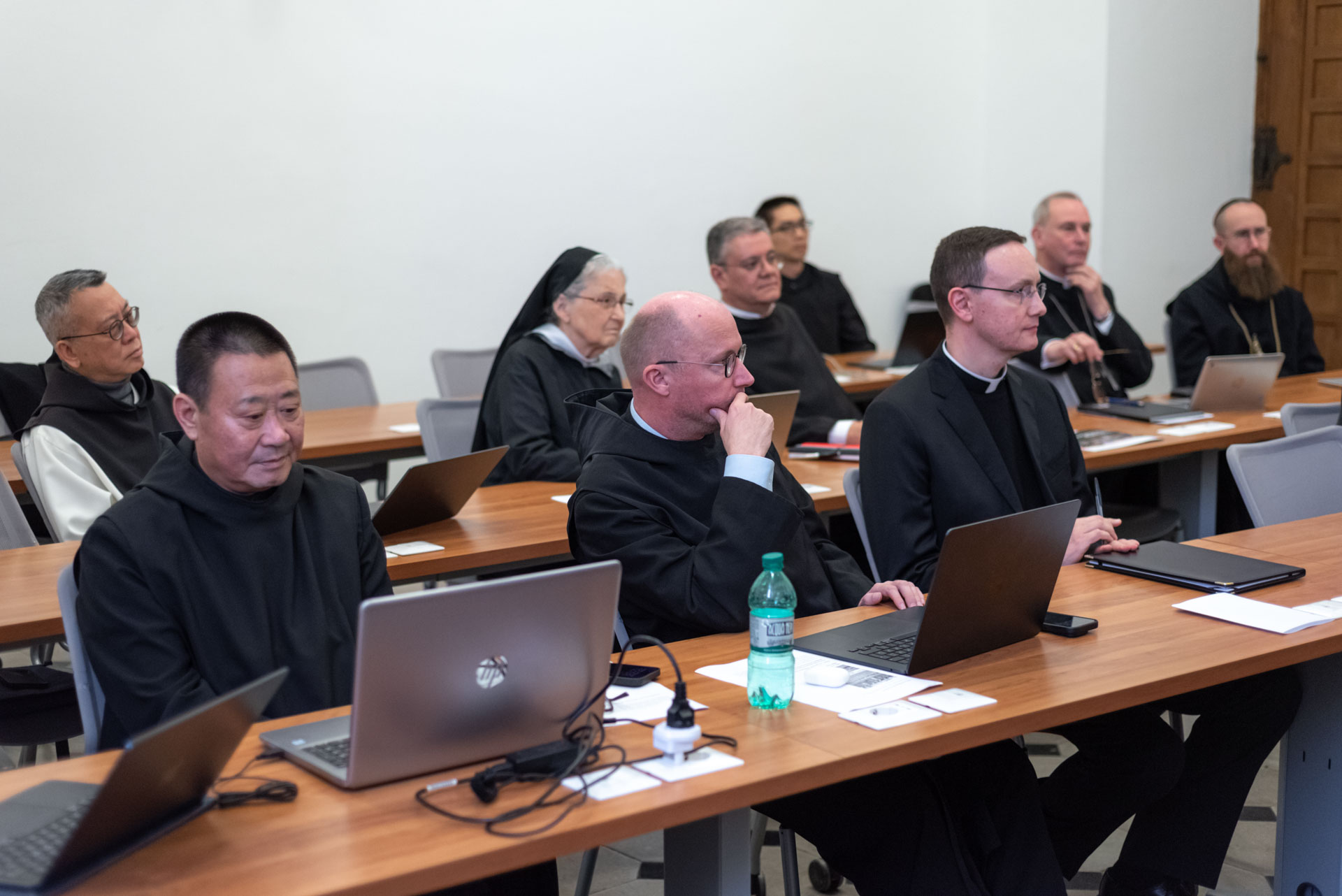
The Benedictine Commission on China (BCC) held its annual meeting this year at Sant’Anselmo on the Aventine in Rome, following its long-standing tradition of gathering on the Saturday after Ash Wednesday. The meeting brought together Benedictine leaders and collaborators who have long been engaged in pastoral, academic, and missionary initiatives related to China.
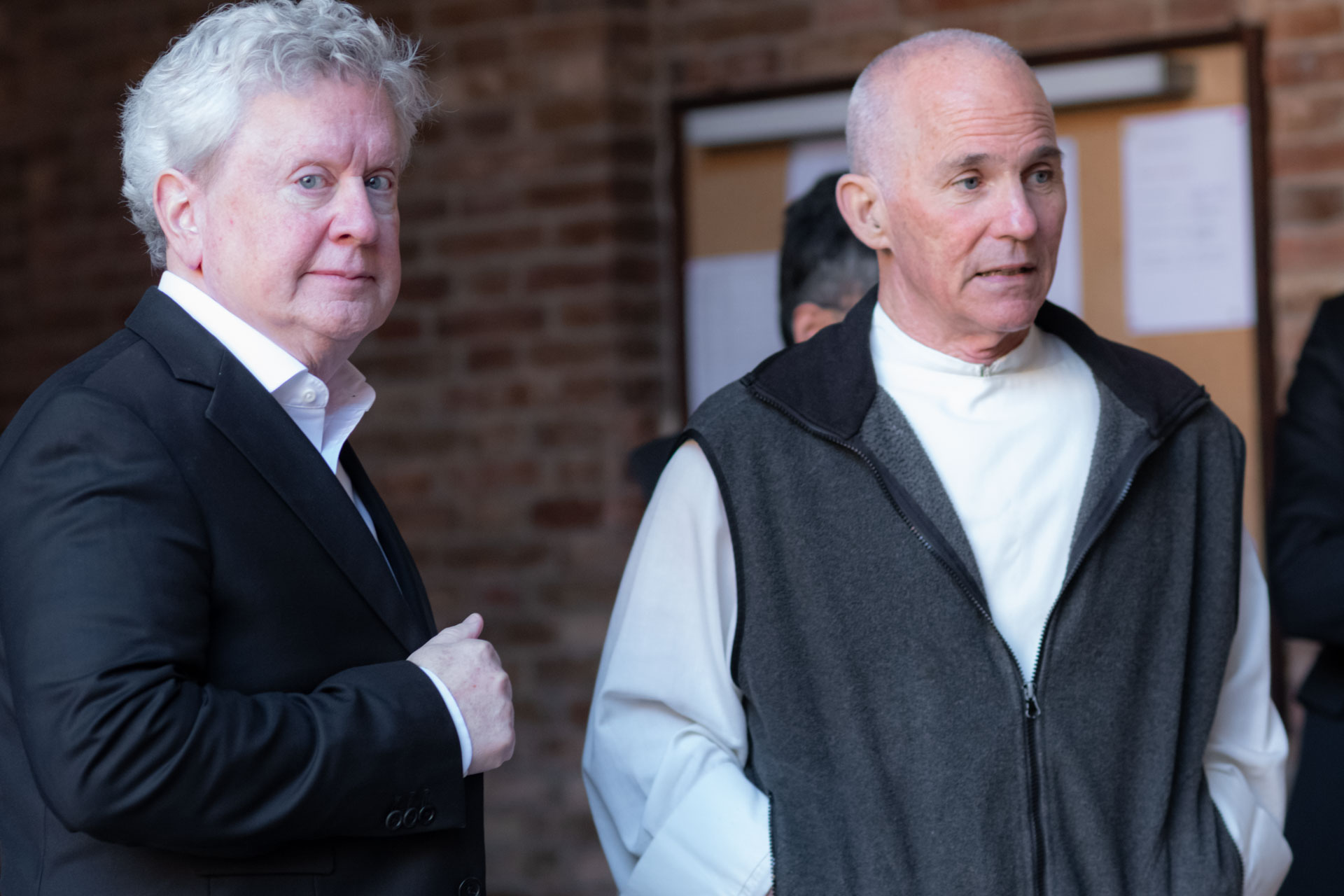
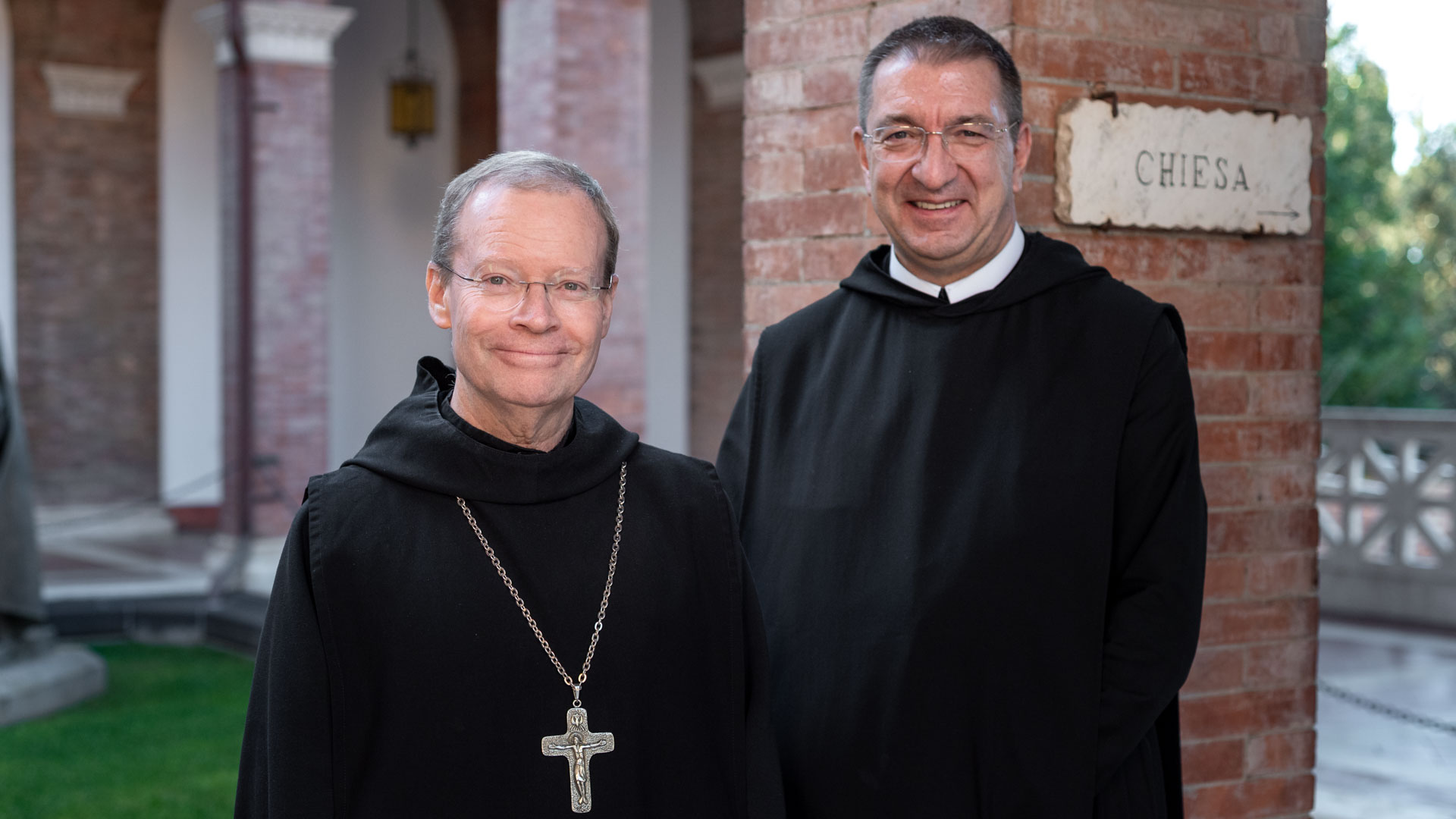
Among those present were Abbot Primate Jeremias Schröder, Abbot President Javier Aparicio Suárez of the Sankt Ottilien Congregation, Fr. Prior Pacomio Choe of Namyangju Priory in Korea, and Fr. Norbert from China. Also participating were Abbot President Bernard Lorent of AIM, Fr. Laurentius Eschlböck of the Faculty of Theology at Sant’Anselmo, and Br. Nicholas Koss of St. Vincent Archabbey and Wimmer Priory in Taiwan, one of the founding figures of the BCC. Representatives of the Trappists (OCSO), the MBST Congregation, and the monastery of Norcia were also present. Among those attending the meeting for the first time were Abbot Benedict, Fr. Cyprian Consiglio of DIMMID, and Mr. Samuel Casey Carter of the Elling Eide Center.
The morning session began with participants sharing updates on their respective engagements related to China. Most reports noted that, in light of increasingly strict religious policies and administrative regulations, community presence is often maintained through personal contacts and discreet forms of accompaniment. At the same time, overseas support has not ceased: digital resources—such as the Sankt Ottilien Congregation’s ongoing multimedia platform—academic exchange, and financial assistance continue to provide meaningful backing.
The year 2025 marked the centenary of Fu Jen Catholic University, the first Catholic university in China, founded by the American-Cassinese Benedictines. Br. Nicholas reported on the commemorative celebrations held last year in the United States, China, and Taiwan. In addition, Abbot Benedict shared Norcia Abbey’s past experience of marketing its beer in China, noting that many Chinese showed interest in the Benedictine spiritual tradition behind the product.
Later in the morning session, a representative from the Holy See joined the discussion and outlined current priorities concerning the Church in China. The ensuing exchange focused on the process of episcopal appointments, the interaction between official and unofficial communities, and the challenge of preserving ecclesial communion within existing legal and administrative frameworks. Participants expressed concern for the practical realization of unity and for avoiding new forms of division in the present context.
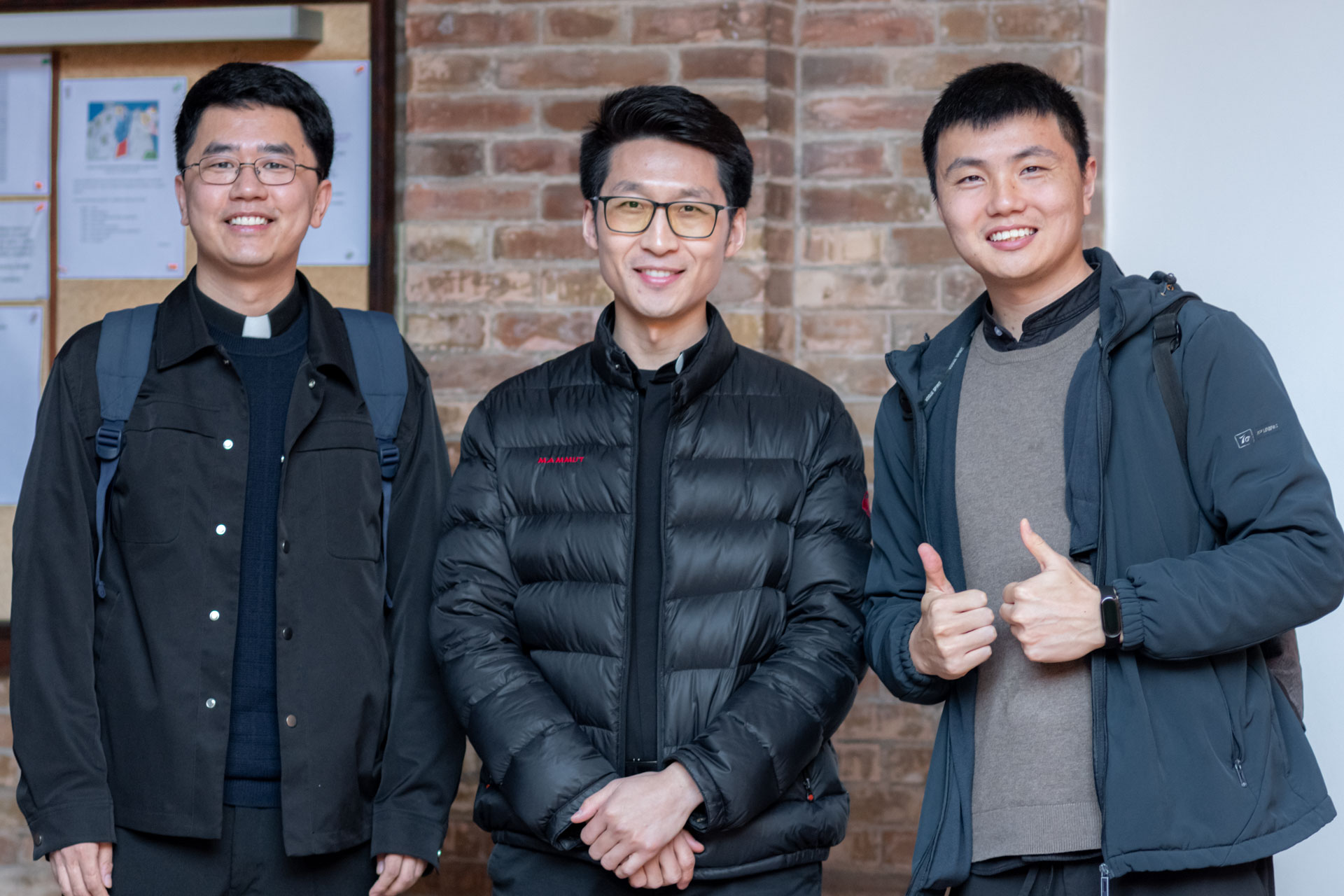
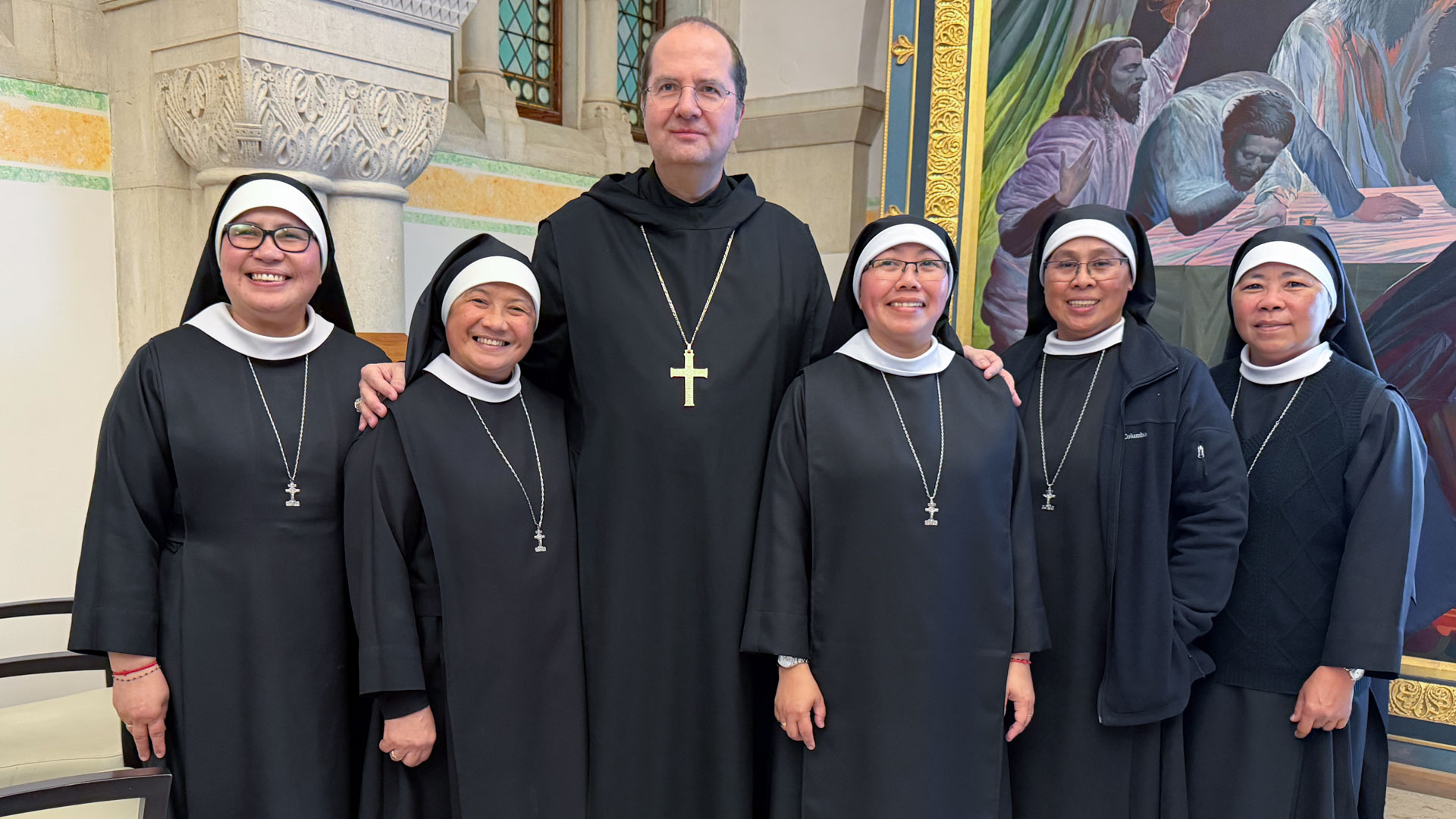
The afternoon session was enriched by the presence of a Chinese expert and eleven Chinese religious currently studying or serving in Rome, bringing the discussion closer to lived experience. Beyond reflections on the historical and contemporary situation of the Church, the discussion introduced the theme of “praise” as a way of sustaining Christian witness in the present circumstances, thereby giving the session a distinctly spiritual dimension.
Overall, the 2026 BCC meeting marked a further step forward in both depth of discussion and breadth of participation, continuing to seek paths of unity and pastoral practice within the uniquely complex realities facing the Church in China.
-
BCC Meeting Addresses Complex Realities for the Church in China, Seeks Paths of Unity
Liturgy Marked by Diversity — and War : A Report from Kuwait

Un signe d’espoir : San José de las Lajas face à la crise énergétique totale de Cuba
Événements, élections et nominations | Janvier-février 2026
Notes de l’Aventin | Janvier-Février 2026
L’interruption de la beauté : l’art liturgique de Fr. Emmaus O’Herlihy OSB