
A workshop at Sant’Anselmo in Rome brought together Christian and Buddhist monastics for a shared exploration of contemplative practice. Rooted in mutual respect, the dialogue opened new paths for understanding and spiritual enrichment.

At the 2024 Congress of Abbots, Abbot Primate Jeremias Schröder led a workshop on the evolving recognition of non-ordained monks as major superiors, tracing a decades-long path to the recent papal rescript.

Pope Leo XIV welcomed the newly elected Abbot General and all participants to the General Chapter of the Vallombrosan Congregation on 28 June 2025, urging continued fidelity to Gospel simplicity.

Benedictine congregations worldwide report both challenges and growth, with Asian and African communities thriving whilst Western monasteries face declining numbers. The global confederation maintains 19 diverse congregations spanning six continents. These reports, from 18 of the 19 congregations, span the years 2016 to 2024.

Abbot Mamerto Menapace OSB, monk of the Abbey of Santa María de Los Toldos and former Abbot President of the Congregation of the Holy Cross of the Southern Cone, has died aged 83. His writings and reflections deeply marked the faith of countless Argentinians.
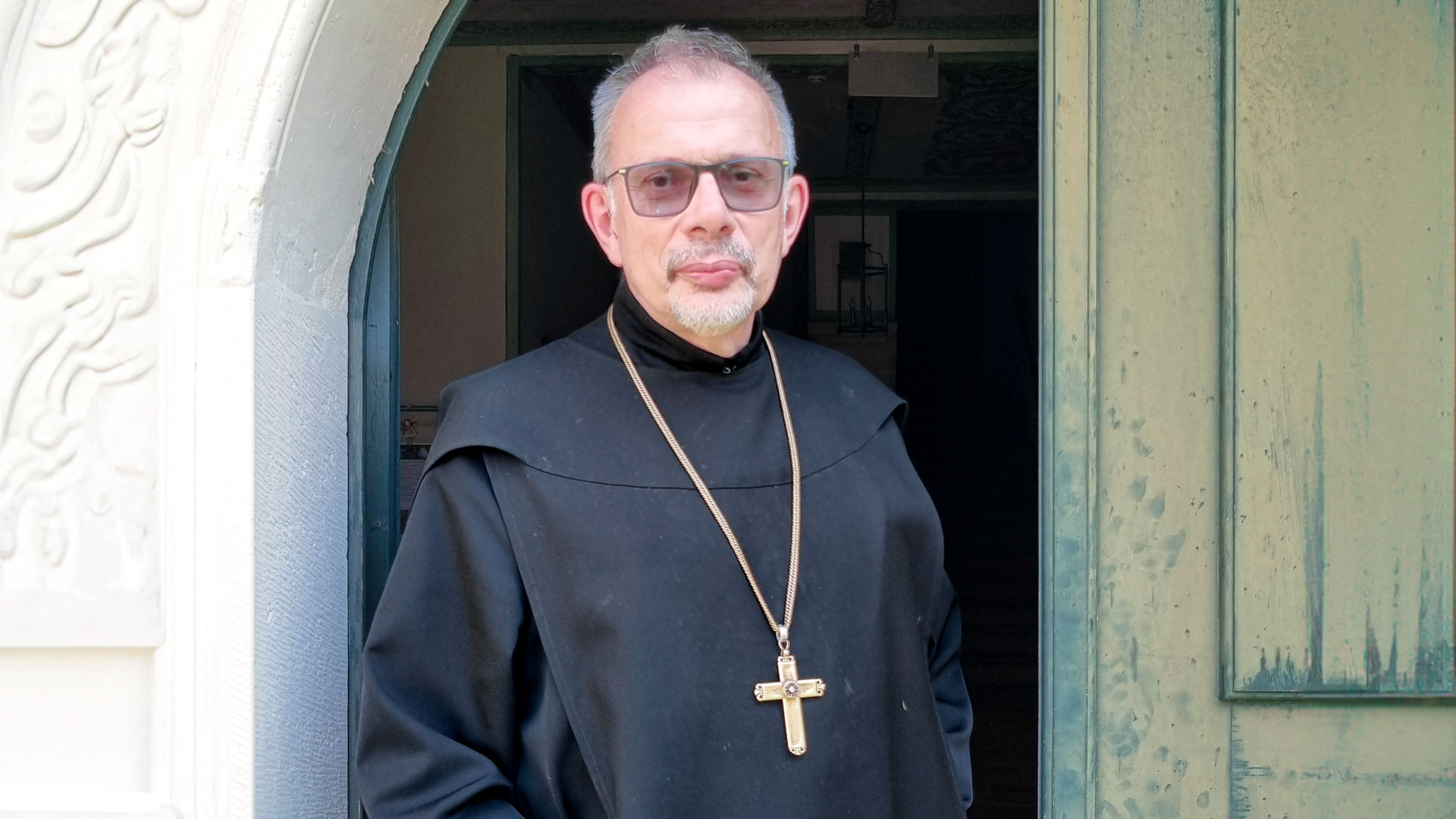
The Benedictine monks of Mariastein Abbey have elected Father Ludwig Rudolf Ziegerer OSB as their new abbot. He succeeds Abbot Peter von Sury OSB and will lead the community for the next six years.
